Avoiding burnout in direct hire recruiting is critical for organizations that rely on consistent, high-quality hiring to support engineering and IT operations. Hiring managers and HR leaders face increasing pressure to fill specialized roles like CAD designers and IT support professionals while maintaining speed, quality, and retention. When recruiting teams burn out, time-to-fill increases, candidate quality drops, and hiring mistakes become more frequent.
Burnout in recruiting is not just a people issue. It directly impacts business performance, project timelines, and customer satisfaction. For organizations hiring technical talent, especially in competitive markets, preventing recruiter fatigue is essential to maintaining a strong hiring pipeline.
The Impact of Recruiting Burnout on Hiring Outcomes
Recruiting burnout often shows up in measurable hiring metrics. It is not always obvious at first, but it quickly affects the entire hiring lifecycle.
Slower Time-to-Fill
When recruiters are overwhelmed, response times slow down. Candidate outreach becomes inconsistent, and follow-ups are delayed.
For roles like CAD engineers or IT support technicians, where qualified candidates are already limited, delays can mean losing top talent to competitors.
Decline in Candidate Quality
Burned-out recruiters tend to rely on smaller candidate pools or repeat sourcing methods. This leads to:
- Reduced diversity in candidate pipelines
- Over-reliance on active job seekers instead of passive talent
- Less thorough screening processes
In technical hiring, this often results in candidates who lack hands-on experience with specific tools, systems, or workflows.
Increased Turnover and Poor Retention
When hiring processes are rushed or inconsistent, mismatches occur. Candidates may look qualified on paper but lack alignment with the role or company environment.
This is especially problematic in:
- CAD roles that require precision and project collaboration
- IT support roles that demand strong communication and troubleshooting skills
Poor hiring decisions lead to early turnover, which increases workload and further contributes to burnout.
Why Burnout Is Common in Direct Hire Recruiting

Direct hire recruiting requires sustained effort across sourcing, screening, coordination, and negotiation. For technical roles, the complexity increases.
High Demand for Specialized Talent
CAD professionals and IT support specialists are in high demand. Recruiters often manage multiple open roles with overlapping skill requirements.
Examples include:
- CAD designers with experience in AutoCAD, SolidWorks, or Revit
- Desktop support technicians with specific OS and hardware expertise
- Service desk professionals with ticketing system experience
The need to deeply understand technical requirements adds cognitive load.
Repetitive Screening and Evaluation
Screening technical candidates is time-intensive. Recruiters must:
- Review portfolios and technical drawings for CAD roles
- Assess troubleshooting ability and communication skills for IT support
- Coordinate technical interviews with hiring managers
Doing this repeatedly across multiple roles can quickly lead to fatigue.
Pressure to Balance Speed and Quality
Hiring managers want roles filled quickly. At the same time, they expect high-quality candidates who can perform immediately.
This tension creates stress on recruiting teams, especially when internal resources are limited.
Common Signs of Burnout in Technical Recruiting Teams
Recognizing burnout early helps prevent long-term hiring issues.
- Increased time between candidate touchpoints
- Declining response rates from candidates
- Reduced engagement from recruiters during intake meetings
- Higher rejection rates after interviews due to poor fit
- Growing backlog of open roles
For hiring managers, these signs often appear as “market challenges,” but they are frequently tied to internal recruiting strain.
Strategies to Prevent Burnout in Direct Hire Recruiting
Preventing burnout requires a structured approach to recruiting workflows and resource allocation.
1. Standardize Technical Screening Processes
Create repeatable evaluation frameworks for CAD and IT roles.
For example:
- Use consistent technical checklists for CAD software proficiency
- Develop structured interview questions for IT troubleshooting scenarios
- Define clear pass or fail criteria
This reduces decision fatigue and improves consistency.
2. Prioritize Role Clarity at Intake
Misaligned job requirements create unnecessary work.
Before sourcing begins, ensure:
- Required skills are clearly defined
- Nice-to-have skills are separated from must-haves
- Hiring managers agree on evaluation criteria
This minimizes rework and candidate rejection cycles.
3. Segment Recruiting Workloads
Avoid assigning all technical roles to a single recruiter.
Instead:
- Assign recruiters by specialization such as CAD or IT support
- Limit the number of open requisitions per recruiter
- Rotate high-intensity roles when possible
This helps maintain focus and reduces overload.
4. Leverage External Direct Hire Staffing Support
Partnering with a specialized firm can significantly reduce internal strain.
Working with a direct hire staffing solutions provider allows teams to:
- Access pre-qualified candidate pipelines
- Reduce sourcing and screening workload
- Improve candidate quality through specialized vetting
This is especially effective for niche roles where internal sourcing is time-consuming.
Reducing Burnout in CAD Recruitment

Hiring CAD professionals presents unique challenges that can contribute to recruiter fatigue.
Technical Skill Validation
Evaluating CAD candidates requires more than resume review.
Effective methods include:
- Reviewing sample drawings or portfolios
- Assessing proficiency in tools like AutoCAD, SolidWorks, or Revit
- Understanding industry-specific standards such as manufacturing or architecture
Using a specialized partner for CAD recruitment services can streamline this process by pre-validating technical skills.
Managing Project-Based Hiring Needs
CAD hiring often fluctuates based on project demand.
Recruiters may face:
- Sudden spikes in hiring volume
- Tight deadlines tied to project timelines
- Pressure to find candidates with niche experience
External support helps maintain consistency during high-demand periods.
Geographic Talent Constraints
In some markets, local CAD talent is limited.
For example:
- CAD staffing in Denver may require sourcing candidates with aerospace or manufacturing experience
- Other regions may demand architectural CAD specialists
Expanding sourcing strategies or working with regional experts reduces strain on internal teams.
Reducing Burnout in IT Support Hiring

IT support roles are high-volume and require careful screening.
High Candidate Volume with Mixed Quality
IT support roles often attract many applicants, but few meet technical and communication standards.
Recruiters must filter for:
- Hands-on troubleshooting ability
- Customer service skills
- Experience with ticketing systems and SLAs
Partnering with an IT support staffing agency or service desk staffing provider can significantly reduce screening workload.
Rapid Hiring Expectations
IT issues directly impact business operations. This creates urgency in hiring.
Recruiters often face:
- Immediate backfill needs
- Pressure to reduce downtime
- Limited time for thorough evaluation
Structured pipelines and external support help maintain quality without overloading internal teams.
Retention Challenges
IT support roles often experience higher turnover.
Hiring the wrong candidate increases workload and contributes to burnout.
Improving screening accuracy and cultural fit reduces repeat hiring cycles.
The Role of Direct Hire Staffing in Preventing Burnout
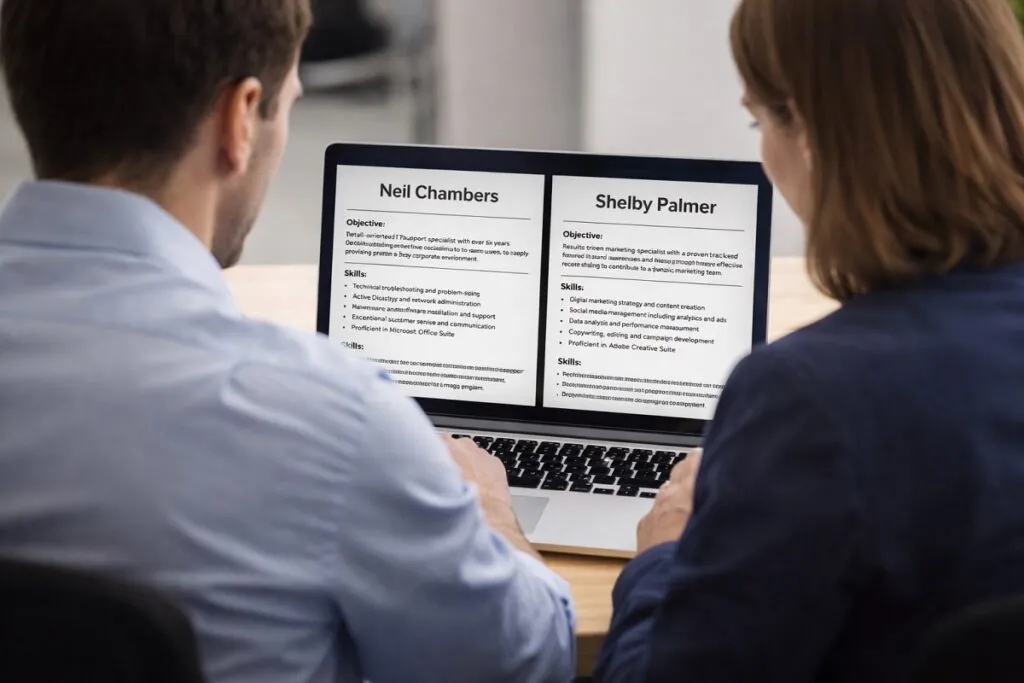
Direct hire staffing is not just about filling roles. It is about improving the efficiency and sustainability of your hiring process.
Access to Pre-Vetted Talent
Specialized agencies maintain pipelines of qualified CAD and IT candidates.
This reduces:
- Time spent sourcing
- Volume of unqualified applicants
- Screening workload
Faster Hiring Cycles
With ready-to-engage candidates, organizations can:
- Reduce time-to-fill
- Minimize project delays
- Improve hiring manager satisfaction
Improved Quality of Hire
Experienced recruiters understand:
- Technical skill requirements
- Industry-specific experience
- Cultural fit considerations
This leads to better long-term retention and fewer re-hires.
How to Improve Your Hiring Process for Avoiding Burnout in Direct Hire Recruiting
Improving your hiring process starts with reducing inefficiencies and aligning resources with demand.
Focus on these actions:
- Audit your current recruiting workflow to identify bottlenecks
- Standardize screening and interview processes for technical roles
- Limit the number of open requisitions per recruiter
- Use data such as time-to-fill and candidate drop-off rates to guide decisions
- Build relationships with specialized staffing partners for high-demand roles
For organizations hiring CAD and IT support professionals, combining internal structure with external expertise creates a more sustainable recruiting model.
Need Help Hiring CAD or IT Support Professionals?
If your team is experiencing delays, inconsistent candidate quality, or recruiting burnout, it may be time to bring in specialized support.
Tier2Tek helps organizations hire qualified CAD professionals and IT support talent through targeted direct hire recruiting strategies.
Content reviewed and published by Tier2Tek Staffing Editorial Team .