IT Support Staffing in San Antonio for Reliable Business Operations
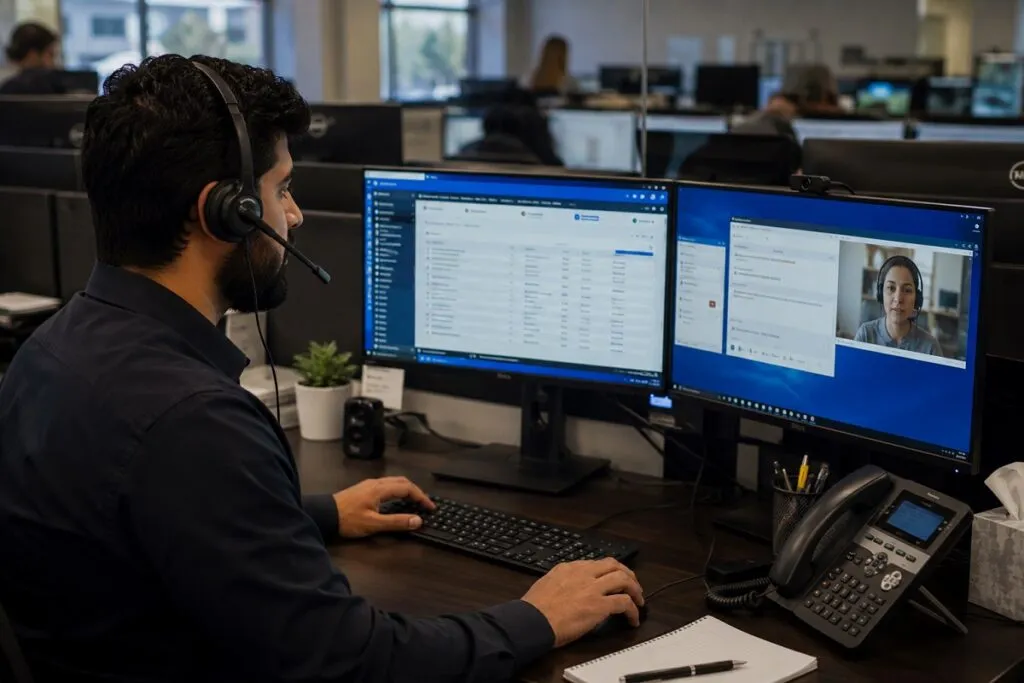
Technology support has become a critical business function for organizations operating across San Antonio. Whether supporting healthcare providers, financial institutions, manufacturers, government contractors, logistics companies, or growing professional services firms, responsive IT support directly affects employee productivity, customer experience, cybersecurity, and business continuity. A single unresolved support issue can quickly disrupt operations across multiple departments.
Hiring qualified IT support professionals in San Antonio presents challenges that extend beyond filling an open position. Employers compete for candidates who possess technical knowledge, customer service skills, troubleshooting ability, and experience supporting modern workplace technologies. The local market continues to experience competition for experienced desktop support technicians, service desk analysts, help desk professionals, and IT support specialists capable of working in both onsite and hybrid environments.
Tier2Tek Staffing helps organizations reduce hiring delays by identifying technical professionals who can contribute immediately within established support environments. Rather than relying solely on resumes or certifications, our recruiting process evaluates troubleshooting methodology, communication style, ticket management practices, technical depth, and the ability to perform within structured IT operations. This approach helps employers reduce onboarding risk while maintaining operational continuity during periods of growth, organizational change, or unexpected staffing shortages.
Why IT Support Staffing Has Become an Operational Priority in San Antonio

For many organizations, IT support is no longer viewed as an administrative function. It serves as one of the primary operational layers that enables employees to remain productive throughout the workday. Delays in resolving technical issues can quickly create bottlenecks that affect revenue generation, customer service, compliance activities, and executive decision making.
San Antonio’s business community reflects this reality. Large healthcare networks operate around the clock, military and defense contractors maintain strict technology standards, manufacturers rely on connected production systems, and logistics companies depend on uninterrupted communication across multiple facilities. Each environment requires dependable support personnel capable of responding quickly while maintaining established service levels.
Business leaders frequently underestimate how quickly staffing shortages affect technical operations. A service desk operating below required staffing levels often experiences:
- Longer ticket queues
- Increased employee downtime
- Higher escalation volumes
- Delayed onboarding for new employees
- Slower hardware deployments
- Reduced end-user satisfaction
- Increased burnout among senior technical staff
Many organizations initially attempt to absorb these workloads internally. Over time, experienced engineers spend increasing amounts of time resolving routine support requests instead of focusing on infrastructure improvements, cybersecurity initiatives, cloud migrations, or strategic technology planning.
This operational imbalance often costs substantially more than filling support positions quickly with qualified professionals.
Local Hiring Conditions Create Unique Staffing Challenges
San Antonio continues to experience steady demand for experienced IT support professionals across several industries simultaneously. While the metropolitan area offers a growing technology workforce, employers often compete for candidates with similar technical backgrounds and customer-facing experience.
One hiring reality many employers encounter involves the city’s concentration of healthcare systems, military installations, and government contractors. Candidates who have worked within these highly structured environments frequently become attractive to multiple employers because they understand regulated support environments, documentation standards, and mature IT service management practices.
Organizations expanding operations around Port San Antonio have also increased demand for technicians familiar with secure computing environments, endpoint management, and enterprise device support. These employers often prioritize candidates who can navigate structured change management processes while maintaining responsiveness for end users.
At the same time, employers supporting distributed workforces across South Texas increasingly seek technicians capable of balancing remote troubleshooting with occasional onsite support. This hybrid support expectation narrows the available talent pool because not every candidate possesses both strong technical troubleshooting skills and polished customer communication abilities.
Competition becomes even stronger for candidates experienced with:
- Microsoft 365 administration
- Active Directory
- Azure Active Directory
- Intune
- ServiceNow
- Jira Service Management
- ConnectWise Manage
- VMware
- Remote Desktop Services
- Endpoint security platforms
- Mobile device management
Organizations that wait several weeks between interviews frequently lose qualified candidates to faster hiring processes.
Operational Risks Associated with Understaffed IT Support Teams

Business leaders often measure IT support performance using ticket closure rates or response times. Those metrics provide only part of the operational picture.
The greater risk appears when unresolved technology issues begin affecting business workflows throughout the organization.
Consider several common scenarios:
| Operational Issue | Business Impact |
|---|---|
| Delayed password resets | Employees unable to access critical applications |
| Slow workstation deployment | New hires lose productive onboarding time |
| Backlogged hardware replacements | Departments continue operating with unreliable equipment |
| Insufficient remote support coverage | Hybrid employees experience prolonged downtime |
| Escalation bottlenecks | Senior engineers become distracted from strategic initiatives |
These situations compound over time.
As ticket backlogs increase, employee frustration rises. Department managers begin escalating issues directly to infrastructure teams. Strategic IT projects slow because engineers become occupied with daily support requests. Eventually, technology leadership spends more time managing staffing shortages than advancing business initiatives.
Organizations rarely experience these problems all at once. Instead, they emerge gradually until operational efficiency noticeably declines.
Scaling IT Support Teams Without Disrupting Business Continuity
Business growth rarely follows predictable hiring timelines. Organizations may add multiple office locations, complete acquisitions, onboard large groups of employees, or launch new customer service operations within relatively short periods.
Technology support staffing must scale alongside these operational changes.
Tier2Tek works with employers to build staffing strategies that accommodate changing business requirements while minimizing disruption. Rather than focusing exclusively on individual technical skills, we evaluate whether candidates can integrate into existing service desk workflows, follow established escalation procedures, document support activities consistently, and collaborate effectively with infrastructure, cybersecurity, and application teams.
This broader evaluation becomes increasingly important when organizations require multiple hires within compressed timeframes.
The following staffing considerations frequently influence hiring decisions across San Antonio organizations:
| Business Scenario | Staffing Consideration |
|---|---|
| Office expansion | Rapid deployment of desktop support and onboarding technicians |
| High employee growth | Scalable service desk staffing capable of maintaining response times |
| Technology refresh projects | Temporary increases in hardware deployment and migration support |
| Hybrid workforce expansion | Technicians experienced supporting remote users across multiple locations |
| Seasonal operational peaks | Flexible staffing without permanently increasing headcount |
Organizations that plan staffing proactively typically experience smoother technology transitions, lower employee downtime, and more predictable service delivery during periods of expansion.
For employers seeking broader IT support recruiting expertise, Tier2Tek also provides comprehensive IT Support Staffing services across multiple markets and technical environments.
Remote and Hybrid Support Have Permanently Changed Staffing Expectations
Many organizations have settled into hybrid operating models, but the support requirements continue to evolve. Employees expect the same level of technical assistance whether they are working from headquarters, a regional office, a manufacturing facility, or a home office.
This shift has expanded the responsibilities of IT support professionals. Today’s service desk analysts and desktop support technicians must be comfortable resolving issues across cloud applications, remote access technologies, mobile devices, and collaboration platforms without relying on physical access to a workstation.
San Antonio employers have increasingly adopted Microsoft 365, Azure, Microsoft Teams, Intune, Cisco collaboration tools, and cloud-based identity management platforms. As a result, support professionals are expected to understand both traditional endpoint troubleshooting and cloud administration fundamentals.
Organizations supporting remote employees across Texas often discover that technical ability alone is not enough. Successful support professionals also demonstrate:
- Clear communication during remote troubleshooting
- Strong documentation habits
- Effective ticket prioritization
- Patience with non-technical users
- Consistent follow-through
- Familiarity with knowledge base documentation
- Ability to recognize when issues require escalation
These interpersonal skills frequently determine whether support interactions improve productivity or create additional frustration for employees.
Common Hiring Mistakes San Antonio Employers Continue to Make
Even experienced hiring managers can unintentionally create hiring processes that limit access to qualified candidates.
One common mistake is emphasizing certifications over practical troubleshooting ability. Certifications demonstrate initiative and foundational knowledge, but they do not always indicate how a candidate performs under pressure or communicates with frustrated users.
Another frequent issue involves creating job descriptions that combine several unrelated positions into one role. Employers may seek someone capable of handling help desk responsibilities, systems administration, cybersecurity support, cloud migrations, networking, and vendor management simultaneously. These positions often remain open because they do not reflect realistic market expectations.
Some organizations also underestimate the importance of hiring speed. In San Antonio’s competitive technology market, qualified support professionals often receive multiple opportunities within days. Extended interview schedules can significantly reduce the likelihood of securing preferred candidates.
Other hiring challenges include:
- Prioritizing technical quizzes over structured interviews
- Failing to evaluate customer service skills
- Ignoring cultural fit within existing IT teams
- Hiring solely based on previous job titles
- Delaying compensation decisions until late in the hiring process
Reducing these hiring inefficiencies often improves both candidate quality and long-term retention.
How Tier2Tek Evaluates IT Support Candidates

Hiring resumes does not build reliable IT support teams. Hiring professionals who consistently solve problems, communicate effectively, and operate within structured environments does.
Tier2Tek evaluates candidates through multiple dimensions that reflect real workplace performance rather than relying exclusively on keywords or certifications.
Our recruiting process considers:
- Troubleshooting methodology
- Technical depth across desktop and cloud environments
- Customer service approach
- Communication with non-technical users
- Experience using ticketing systems
- Documentation quality
- Escalation judgment
- Time management
- Adaptability within changing environments
- Professional references and employment history
We also examine how candidates describe previous support situations.
Experienced support professionals typically explain their diagnostic process, how they prioritized competing requests, how they communicated with users, and how they documented resolutions for future reference.
These practical discussions often reveal considerably more than standardized technical testing.
Where appropriate, we assess familiarity with technologies such as:
- Microsoft 365
- Azure Active Directory
- Active Directory
- Intune
- ServiceNow
- Jira Service Management
- ConnectWise
- VMware
- Windows 11
- macOS
- Cisco networking fundamentals
- VPN technologies
- Endpoint security platforms
- Multi-factor authentication
- Mobile device management solutions
This evaluation process helps employers reduce hiring risk while improving the likelihood of long-term success.
Strategic Staffing Decisions Influence Long-Term IT Performance
Technology leaders frequently balance competing priorities.
They must maintain excellent support levels while controlling labor costs, reducing employee turnover, improving cybersecurity, and supporting ongoing digital transformation initiatives.
These objectives occasionally conflict.
For example, maintaining a lean support team may reduce payroll expenses in the short term. However, understaffing often creates increased overtime costs, employee burnout, delayed technology projects, and reduced service quality.
Likewise, hiring only highly experienced technicians may improve technical capability but reduce scalability during periods of rapid organizational growth.
Successful staffing strategies often combine multiple experience levels while establishing clear escalation paths and defined support responsibilities.
Business leaders should evaluate staffing decisions based on long-term operational resilience rather than immediate hiring costs alone.
Frequently Asked Questions About IT Support Staffing in San Antonio
Yes. We recruit professionals for onsite, hybrid, and remote IT support environments throughout the San Antonio area.
We recruit Help Desk Technicians, Service Desk Analysts, Desktop Support Specialists, Technical Support Representatives, IT Support Specialists, Field Support Technicians, and related end-user support positions.
Most clients receive qualified candidates within 1 to 3 business days, depending on the position and hiring requirements.
Yes. We regularly assist organizations that need multiple IT support professionals for expansions, technology rollouts, acquisitions, or large onboarding initiatives.
Many candidates have experience with Microsoft 365, Active Directory, Azure, ServiceNow, Jira Service Management, Intune, VMware, ConnectWise, and other enterprise support platforms.
Competition from healthcare organizations, defense contractors, managed service providers, manufacturers, and rapidly growing businesses creates sustained demand for experienced support professionals.
Recruiting Expertise Backed by Consistent Editorial Standards
Tier2Tek publishes staffing content using an editorial process focused on technical recruiting accuracy, employer relevance, and operational credibility. Our recruiting team continuously evaluates hiring trends, technology skill requirements, compensation expectations, and workforce developments across IT support disciplines.
The insights presented throughout this page reflect practical recruiting experience, conversations with hiring managers, and ongoing evaluation of the technology labor market. Rather than relying on generalized staffing advice, we focus on operational realities that affect employers making critical hiring decisions.
Build an IT Support Team That Keeps Your Business Moving
Reliable IT support is one of the foundations of operational continuity. When support teams are appropriately staffed, employees remain productive, technology issues are resolved more efficiently, and infrastructure teams can focus on strategic initiatives instead of routine service requests.
Whether your organization needs a single experienced support professional or an entire team to support business growth, Tier2Tek can help you identify qualified candidates quickly without compromising hiring quality.
Qualified IT support candidates are typically available within 1 to 3 business days, and we have the recruiting capacity to support high-volume hiring initiatives when business demands accelerate.