IT Support Staffing in Salt Lake City
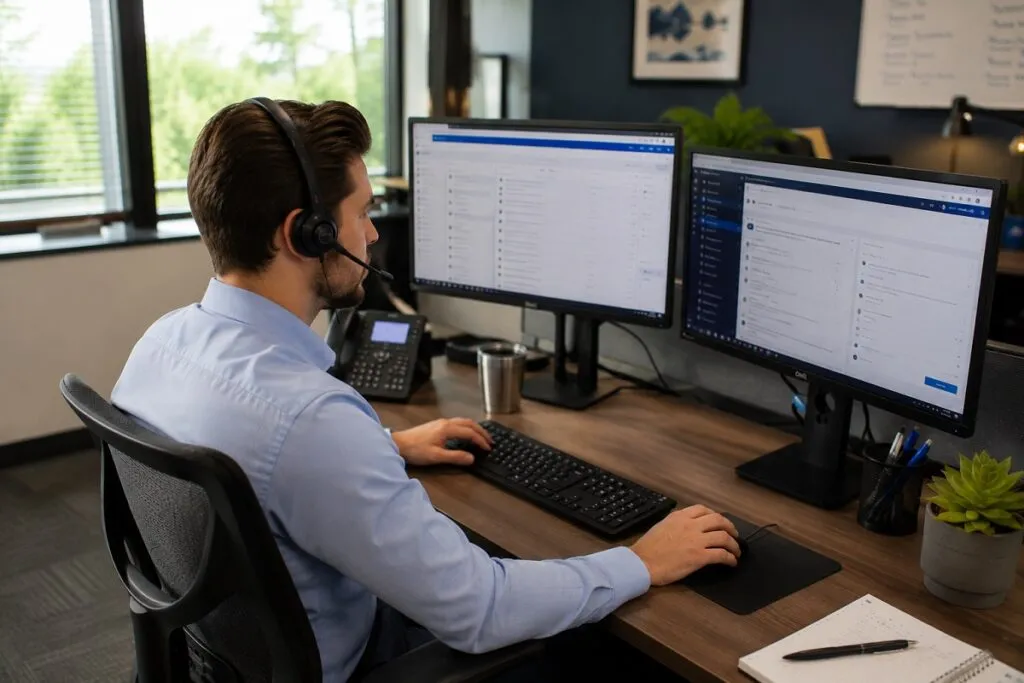
Salt Lake City’s technology workforce has expanded well beyond software companies. IT support teams now operate across financial services, healthcare, logistics, manufacturing, higher education, SaaS, outdoor retail, and rapidly growing startup environments. As organizations continue expanding across the Wasatch Front, employers increasingly need support professionals who understand both technical troubleshooting and the operational realities of supporting distributed users, hybrid infrastructure, and business-critical systems.
Tier2Tek Staffing helps organizations hire experienced IT support professionals who can contribute quickly within these environments. Our recruiters evaluate candidates beyond technical certifications by assessing troubleshooting methodology, communication style, documentation quality, escalation discipline, customer service, and the ability to operate within structured enterprise support workflows. Whether your organization requires a single desktop support technician or a large-scale service desk expansion, we focus on candidates who fit your operational environment.
Understanding Salt Lake City’s IT Support Environment

Salt Lake City’s business landscape creates support environments that differ from many larger metropolitan areas. Employers often operate regional headquarters supporting multiple western states, requiring local IT teams to assist employees across several time zones while maintaining responsive onsite support for offices throughout the Salt Lake Valley.
Many organizations have adopted Microsoft 365, Azure Active Directory, Microsoft Intune, VMware, Cisco networking, and cloud-first collaboration platforms. Support professionals are expected to troubleshoot hybrid identity, remote access, endpoint management, and collaboration tools rather than focusing solely on desktop hardware.
Organizations in the region also experience significant growth through acquisitions, office expansions, and workforce scaling. This frequently creates environments where multiple hardware standards, legacy applications, and overlapping management platforms must coexist while IT teams gradually standardize infrastructure.
Experienced hiring managers recognize that successful technicians are comfortable working inside evolving environments instead of expecting perfectly standardized systems.
Operational IT Support Challenges Local Employers Face
Finding technically capable candidates is only one part of the hiring challenge. Many employers need professionals who can operate effectively within established support processes while maintaining positive user experiences during high-volume ticket periods.
Common operational challenges include:
- Supporting hybrid employees working from both corporate offices and home offices.
- Maintaining endpoint compliance across distributed devices.
- Balancing walk-up support with remote ticket queues.
- Managing password resets, MFA enrollment, and identity verification securely.
- Supporting conference rooms, collaboration equipment, and executive meetings.
- Coordinating hardware deployments for rapidly growing departments.
- Handling onboarding and offboarding without disrupting business operations.
- Escalating infrastructure issues efficiently while documenting troubleshooting steps.
Organizations serving regulated industries often require technicians who understand change management, documentation requirements, and audit expectations alongside traditional troubleshooting.
One operational trend frequently seen in Salt Lake City involves companies expanding into Utah because of its business-friendly environment while maintaining headquarters elsewhere. Local IT support teams often become the hands-on extension of centralized infrastructure groups, requiring technicians who communicate effectively with remote engineering teams instead of working independently in isolated environments.
Infrastructure Environments We Staff
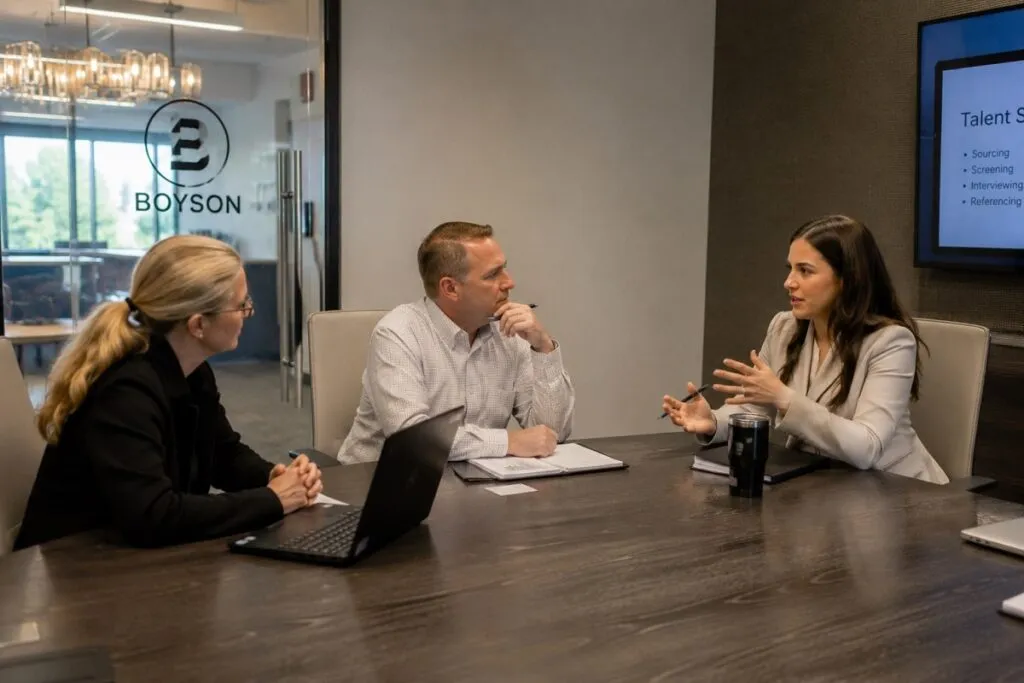
Today’s IT support professionals rarely work within a single technology stack. Employers expect technicians to navigate multiple platforms while following standardized operational procedures.
| Infrastructure Area | Common Employer Expectations in Salt Lake City |
|---|---|
| Microsoft 365 | Exchange Online, Teams, SharePoint, OneDrive administration support |
| Endpoint Management | Microsoft Intune, SCCM, Autopilot deployments |
| Identity Management | Azure AD, Active Directory, MFA troubleshooting |
| Virtualization | VMware support and virtual desktop environments |
| Networking | Cisco switching, wireless troubleshooting, VPN connectivity |
| Cloud Services | Azure administration support and cloud application troubleshooting |
| Collaboration | Zoom Rooms, Microsoft Teams Rooms, conference room technology |
| Ticketing Platforms | ServiceNow, Jira Service Management, Freshservice, Zendesk |
Rather than searching for specialists in every platform, many employers prioritize candidates who demonstrate structured troubleshooting, adaptability, and the ability to learn unfamiliar systems efficiently.
Support Workflows That Drive Hiring Decisions

Strong IT support teams follow repeatable operational workflows that reduce downtime while maintaining consistent service quality.
Hiring managers frequently evaluate whether candidates understand workflows such as:
- Ticket intake and prioritization
- Initial troubleshooting
- Knowledge base utilization
- Root cause documentation
- Escalation criteria
- Incident ownership
- Resolution verification
- User communication
- Ticket closure documentation
- Trend identification
Technicians who consistently document their work reduce repeated incidents, improve knowledge sharing, and allow infrastructure teams to identify recurring problems before they become larger operational issues.
This operational discipline often distinguishes high-performing service desk professionals from candidates whose experience consists primarily of informal troubleshooting.
Hybrid and Onsite Support Expectations
Salt Lake City employers continue balancing hybrid work with onsite operational requirements.
While many support requests arrive remotely, onsite responsibilities remain essential, including:
- Hardware deployment
- Laptop imaging
- Conference room troubleshooting
- Printer support
- Executive desktop assistance
- Network closet coordination
- Device inventory
- Office moves
- Equipment lifecycle management
Many organizations now expect technicians to transition seamlessly between remote support sessions and physical desktop support throughout the day.
Employers increasingly value candidates who understand customer service expectations in executive office environments while remaining comfortable supporting warehouse, manufacturing, or field operations when necessary.
Escalation Environments and Operational Coordination
Effective IT support depends on structured escalation rather than individual technical knowledge alone.
Tier2Tek evaluates whether candidates understand when to escalate issues involving:
- Server infrastructure
- Identity management
- Network outages
- Cybersecurity incidents
- Storage failures
- Cloud platform issues
- Enterprise applications
- Database connectivity
- Telecommunications
- Vendor-supported software
Experienced technicians know that premature escalation creates unnecessary engineering workload, while delayed escalation increases downtime.
We assess candidates for judgment as much as technical ability.
Business Continuity and Operational Resilience
Business continuity planning has become a core expectation for modern support teams.
Salt Lake City organizations increasingly rely on IT support professionals during:
- Internet outages
- Hardware failures
- Microsoft 365 disruptions
- Identity provider outages
- Office relocations
- Emergency remote work transitions
- Disaster recovery testing
- Equipment replacement projects
Support staff often become the first operational responders before infrastructure teams begin root cause analysis.
Organizations that invest in experienced support professionals generally reduce recovery times because frontline technicians gather accurate diagnostic information early in the incident lifecycle.
Another reality recognized by many local IT leaders is the geographic spread of employers across Salt Lake City, South Jordan, Draper, Lehi, and neighboring communities. Support teams frequently coordinate across multiple offices within the Wasatch Front, making technicians with strong time management and field support experience especially valuable.
How Tier2Tek Evaluates IT Support Candidates
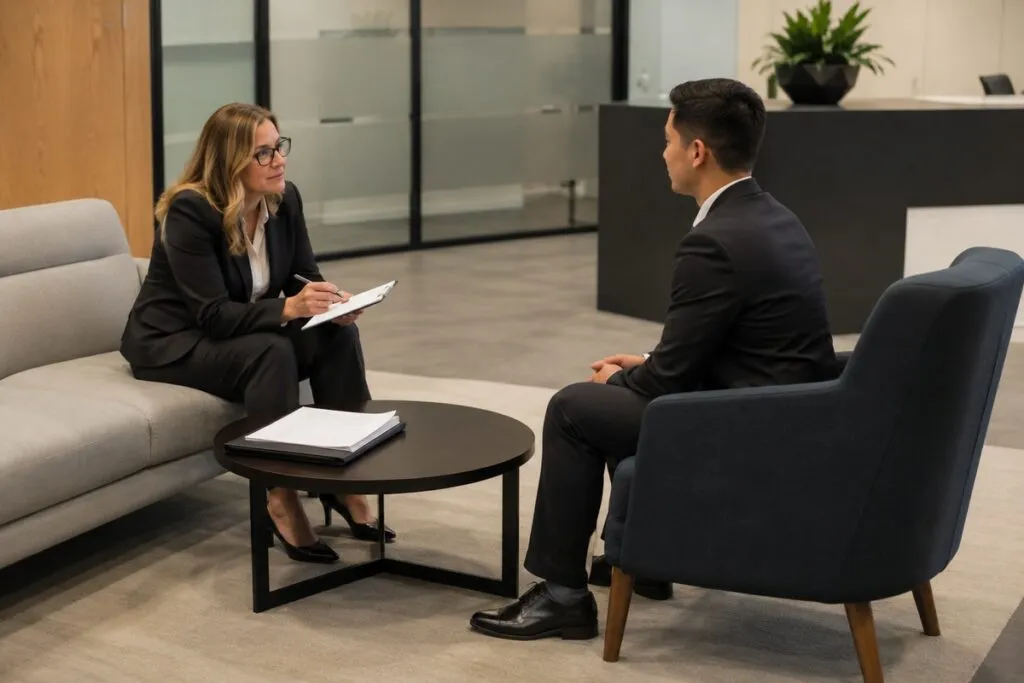
Technical resumes only reveal part of a candidate’s value.
Our recruiting process evaluates:
- Troubleshooting methodology
- Communication skills
- Customer service approach
- Documentation habits
- Ticket management discipline
- Escalation judgment
- Technical curiosity
- Operating system knowledge
- Endpoint management experience
- Microsoft ecosystem familiarity
- Remote support proficiency
- Team collaboration
We also examine how candidates describe previous incidents.
Experienced technicians naturally explain:
- How they isolated problems
- What information they gathered
- Why they selected specific troubleshooting steps
- When they escalated
- How they documented resolution
These conversations often provide stronger hiring indicators than certification lists alone.
Staffing Risks Employers Should Consider

Support organizations often underestimate operational hiring risks.
Common examples include:
| Staffing Risk | Operational Impact |
|---|---|
| Weak documentation habits | Longer resolution times and repeated incidents |
| Poor communication | Reduced user satisfaction and increased escalations |
| Limited enterprise experience | Difficulty following structured processes |
| High turnover | Lost institutional knowledge and inconsistent service |
| Inadequate troubleshooting methodology | Increased downtime and engineering workload |
Recruiting for long-term operational fit helps reduce these risks while improving service consistency.
Strategic Staffing Considerations
Every organization balances technical expertise against hiring speed.
Some employers require experienced Tier II technicians capable of handling complex incidents immediately.
Others build layered support organizations where junior technicians resolve routine requests while senior analysts focus on infrastructure issues.
Tier2Tek works with employers to determine the appropriate mix based on:
- Ticket volume
- Escalation rates
- User population
- Infrastructure complexity
- Geographic footprint
- Growth plans
- Existing leadership structure
We also support organizations building entirely new service desk teams during office expansions or technology transformations.
For organizations seeking broader IT support recruiting expertise, visit our IT Support Staffing page.
Frequently Asked Questions
We recruit Service Desk Analysts, Help Desk Technicians, Desktop Support Specialists, IT Support Analysts, Field Support Technicians, Technical Support Representatives, and Tier II support professionals.
We assess troubleshooting methodology, enterprise support experience, communication, documentation practices, escalation judgment, customer service, and operational fit alongside technical knowledge.
Yes. We recruit professionals for fully onsite, hybrid, and multi-site support environments throughout the Salt Lake City area.
Qualified candidates are often available within 1 to 3 days, depending on the position and hiring requirements.
Yes. We regularly help employers build entire service desk and desktop support teams for expansion projects.
Why Employers Trust Tier2Tek
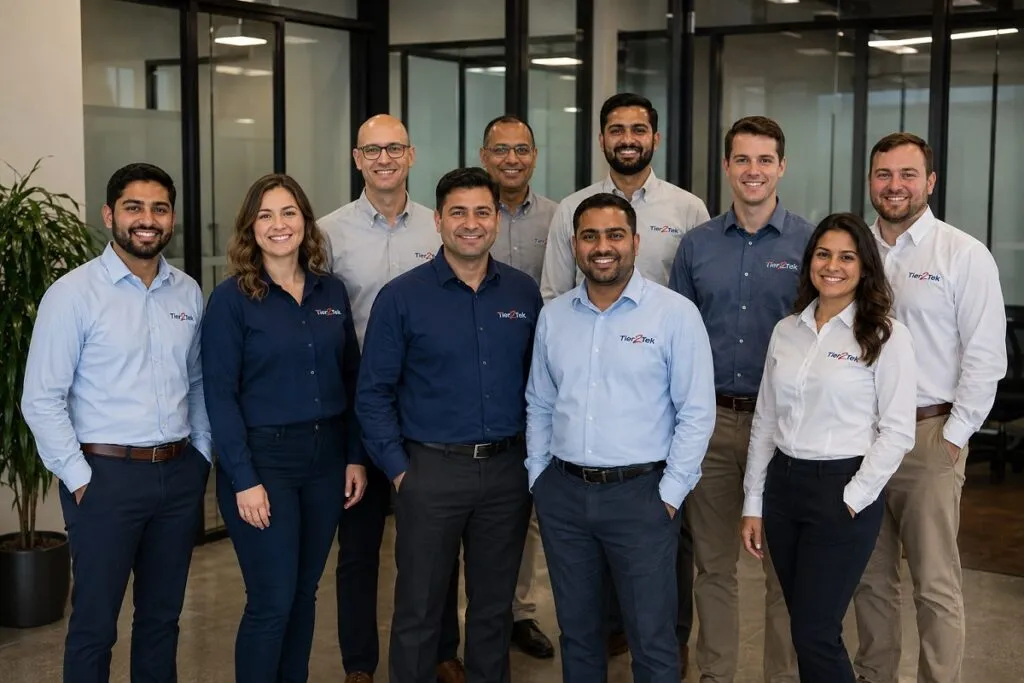
Tier2Tek combines specialized technology recruiting experience with a structured evaluation process focused on operational performance rather than keyword matching. Our recruiting team stays current with evolving enterprise support technologies, hiring trends, and workplace expectations so employers receive candidates who align with real-world support environments.
Our content is developed using editorial standards that prioritize technical accuracy, operational relevance, and practical staffing insight. This commitment helps ensure the information reflects how modern IT support organizations actually operate.