IT Support Staffing in Pittsburgh for Business Continuity
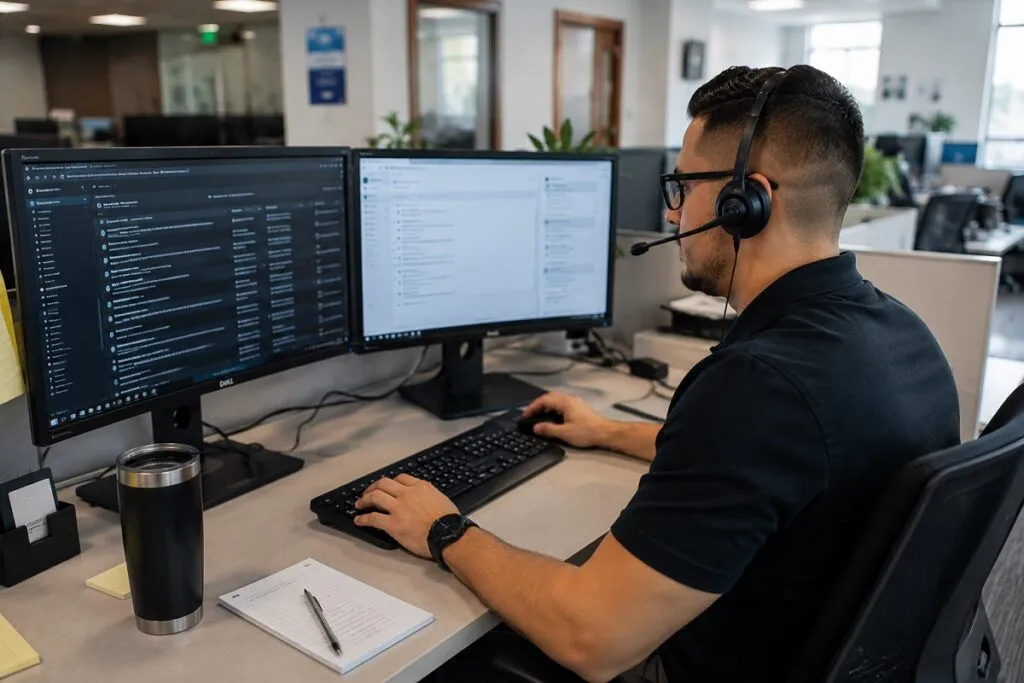
Pittsburgh organizations depend on responsive IT support to keep employees productive, protect customer operations, and maintain business continuity. Whether supporting healthcare providers, manufacturers, financial institutions, universities, engineering firms, or growing technology companies, IT support teams often represent the first line of defense against operational disruption. Delays in resolving technical issues can quickly cascade into lost productivity, missed deadlines, security concerns, and frustrated employees.
Tier2Tek Staffing helps Pittsburgh employers strengthen their IT support operations by connecting them with experienced professionals who understand enterprise environments, user support workflows, and modern business technologies. Our recruiting process focuses on technical competency, communication skills, business professionalism, and the ability to perform effectively in complex production environments where downtime carries real operational costs.
Understanding Pittsburgh’s IT Support Hiring Environment

Pittsburgh’s economy has evolved into a diverse technology market. While healthcare systems, higher education, advanced manufacturing, financial services, robotics, and software companies all require experienced IT support professionals, they frequently compete for the same limited talent pool.
Unlike many markets where support positions primarily focus on password resets and desktop troubleshooting, Pittsburgh employers increasingly expect support technicians to operate within mature enterprise environments that include:
- Microsoft 365 administration
- Azure Active Directory
- Intune device management
- VMware and Hyper-V environments
- Cisco networking
- ServiceNow
- Jira Service Management
- Active Directory
- SCCM
- Endpoint security platforms
- Multi-factor authentication
- Hybrid workforce support
This broader technical scope has increased hiring competition, particularly for Tier II support professionals who possess both technical depth and strong customer-facing communication skills.
Many organizations underestimate how competitive these candidates have become until open positions remain vacant for months.
One operational reality unique to Pittsburgh is the concentration of healthcare systems and research institutions. Many IT support professionals gain experience working within highly regulated environments where documentation, compliance, and change management are standard practice. Employers hiring outside these industries often compete against organizations offering stable career progression and long-term employment.
Another local dynamic involves companies supporting manufacturing plants and engineering operations across Western Pennsylvania. These environments often require technicians comfortable balancing traditional office support with production floor technologies, shared workstations, industrial devices, and around-the-clock operational schedules.
Operational Risks of Understaffed IT Support

Many organizations evaluate IT support hiring primarily through salary budgets. The larger business impact often appears elsewhere.
An understaffed support team affects nearly every department. Small technical issues remain unresolved longer, increasing employee downtime while experienced engineers become distracted by routine support requests instead of strategic initiatives.
Common business consequences include:
- Longer incident resolution times
- Increased ticket backlogs
- Delayed onboarding for new employees
- Reduced employee productivity
- Higher cybersecurity exposure
- Greater executive frustration
- Slower project delivery
- Burnout among existing support staff
These operational costs frequently exceed the expense of filling critical support positions.
Business leaders often discover that unresolved support tickets accumulate faster than internal teams can recover once staffing falls below sustainable levels.
Business Continuity Depends on Responsive IT Support
Technology interruptions rarely occur at convenient times.
Support teams maintain operational continuity by ensuring employees regain access to business systems as quickly as possible.
When response times increase, organizations often experience disruption across multiple functions simultaneously.
| Business Function | Impact of Delayed IT Support |
|---|---|
| Employee Productivity | Lost work hours and delayed projects |
| Customer Service | Slower response times and reduced customer satisfaction |
| Finance | Delayed transactions and reporting |
| Manufacturing | Production interruptions caused by workstation or network issues |
| Healthcare Operations | Workflow disruptions affecting clinical and administrative staff |
| Executive Leadership | Reduced visibility into operational issues |
Strong IT support staffing improves organizational resilience by reducing recovery times and maintaining consistent user experiences throughout the business.
Local Hiring Bottlenecks That Slow IT Support Recruiting
Pittsburgh employers frequently encounter hiring challenges that extend beyond candidate availability.
Several local factors contribute to longer recruiting timelines:
- Competition from nationally recognized healthcare organizations
- Growing demand from robotics and autonomous technology companies
- University-related hiring activity
- Employers seeking candidates with both infrastructure and end-user support experience
- Increased demand for security-conscious support technicians
- Hybrid work expectations changing candidate preferences
Organizations also compete against remote employers offering national salaries while allowing technicians to remain in the Pittsburgh area.
This creates additional pressure for businesses attempting to hire experienced desktop support specialists, Help Desk professionals, Service Desk Analysts, and Tier II technicians using compensation models established before remote hiring became widespread.
Staffing Scalability During Business Growth
Technology support requirements rarely increase in a perfectly predictable manner.
New office openings, acquisitions, ERP implementations, cloud migrations, seasonal growth, and company expansions often create temporary spikes in ticket volume.
Organizations that cannot scale support staffing quickly may experience:
- Longer onboarding timelines
- Reduced SLA performance
- Increased overtime costs
- Higher employee turnover
- Growing customer service delays
- Declining employee satisfaction
Tier2Tek helps employers respond quickly when staffing requirements change, whether supporting a single critical hire or building larger technical support teams during periods of rapid organizational growth.
We can typically provide qualified candidates within 1 to 3 business days, including high-volume hiring initiatives when operational demands require multiple IT support professionals.
Remote and Hybrid Support Require Different Skills
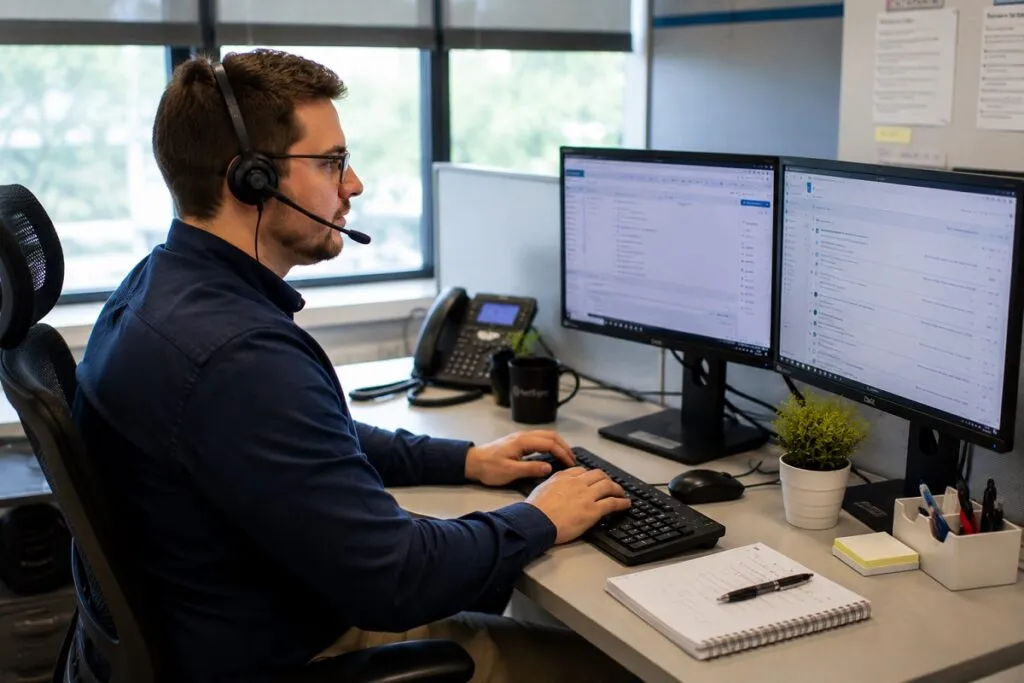
Supporting hybrid workforces requires more than technical troubleshooting.
Modern support professionals must manage remote diagnostics while maintaining excellent communication with employees working from home, satellite offices, manufacturing locations, and corporate headquarters.
Successful hybrid support technicians understand:
- Remote device management
- VPN troubleshooting
- Microsoft Teams support
- Endpoint security
- Cloud identity management
- Mobile device support
- User education
- Remote collaboration tools
Employers frequently underestimate the communication skills required for hybrid support environments. Technical knowledge alone rarely produces high user satisfaction when technicians spend most interactions assisting employees remotely.
Common Hiring Mistakes Pittsburgh Employers Make
Several hiring patterns consistently create operational problems.
One common mistake is requiring every support technician to possess senior infrastructure experience.
Organizations often eliminate highly capable support professionals because they focus excessively on advanced engineering certifications rather than evaluating practical troubleshooting ability, customer service, and workflow management.
Another frequent issue involves unrealistic job descriptions combining responsibilities across multiple disciplines, including:
- Desktop Support
- Systems Administration
- Network Administration
- Cybersecurity
- Cloud Engineering
- Database Support
Candidates capable of performing all these functions typically pursue engineering roles rather than IT support positions.
Finally, many employers rely almost exclusively on technical interviews while giving limited attention to communication, documentation quality, professionalism, and adaptability. In user-facing support roles, these soft skills often determine long-term success.
How Tier2Tek Evaluates IT Support Candidates
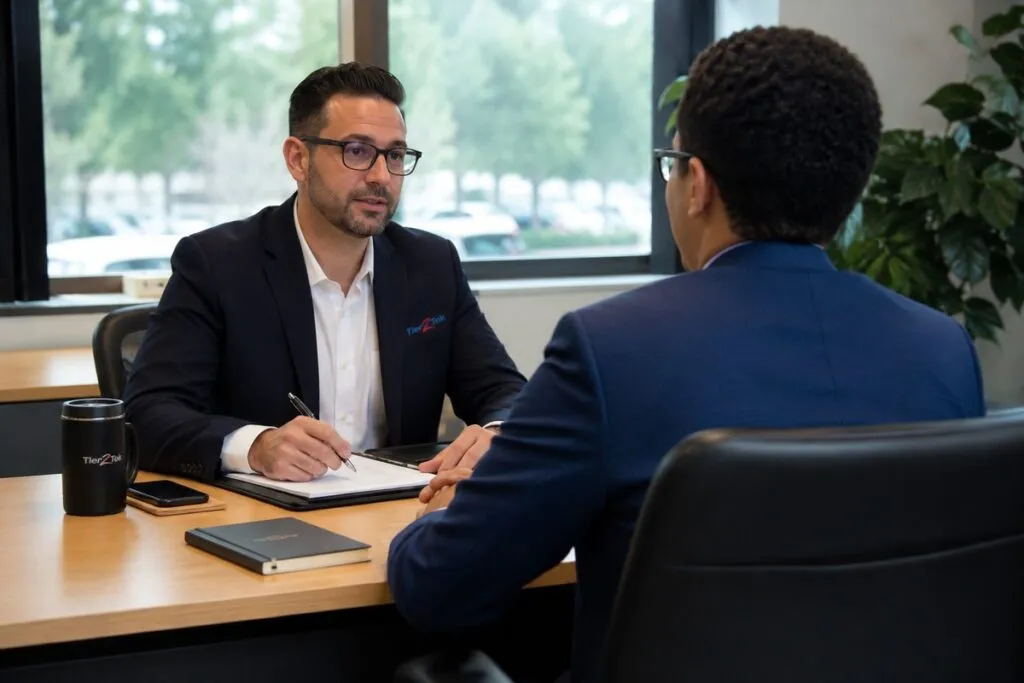
Technical resumes provide only part of the hiring picture.
Tier2Tek evaluates candidates across multiple dimensions to improve long-term hiring outcomes.
Our recruiting process examines:
- Technical troubleshooting methodology
- Enterprise support experience
- Ticket management discipline
- Communication with non-technical users
- Documentation quality
- Professionalism
- Adaptability in changing environments
- Customer service mindset
- Escalation judgment
- Team collaboration
We also evaluate platform familiarity including:
- Microsoft 365
- Active Directory
- Azure
- Intune
- ServiceNow
- Jira
- ConnectWise
- VMware
- Cisco technologies
- Endpoint management solutions
- Windows enterprise environments
Rather than matching resumes to job descriptions alone, we assess whether candidates can perform effectively within the operational realities of each client’s technology environment.
Strategic Staffing Tradeoffs Business Leaders Should Consider
Organizations often evaluate staffing decisions using hourly labor costs rather than operational impact.
Several strategic tradeoffs deserve consideration.
| Staffing Decision | Potential Business Impact |
|---|---|
| Hiring slowly to reduce recruiting costs | Extended productivity losses and growing ticket backlog |
| Overloading existing support staff | Burnout, turnover, reduced service quality |
| Hiring solely for technical expertise | Poor user experience despite technical competency |
| Delaying replacement hires | Knowledge gaps and slower operational recovery |
| Relying entirely on contract extensions | Limited long-term continuity and institutional knowledge |
The most effective staffing strategy aligns technical capability with business priorities, operational resilience, and expected growth.
Why Employer Expectations Continue to Evolve
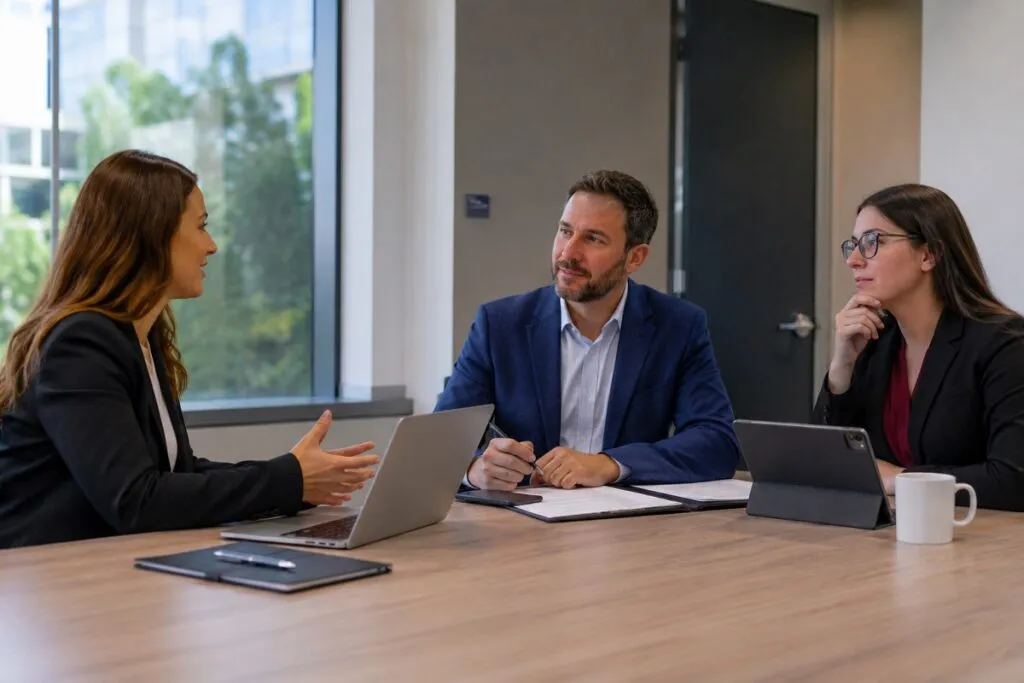
Today’s support organizations are expected to contribute more than incident resolution.
Many Pittsburgh employers now expect support teams to improve user experience, identify recurring operational problems, assist with automation initiatives, and support broader digital transformation projects.
Support professionals increasingly contribute to:
- Endpoint standardization
- Asset lifecycle management
- Knowledge base development
- Security awareness
- Device deployment
- Process improvement
- User adoption initiatives
As organizations modernize infrastructure, support technicians frequently become the operational bridge between employees and larger technology initiatives.
Supporting Every Stage of the IT Support Organization
Tier2Tek recruits professionals across the full IT support function, including:
- Help Desk Analysts
- Service Desk Analysts
- Desktop Support Technicians
- Technical Support Specialists
- Tier I Support
- Tier II Support
- Tier III Support
- Field Support Technicians
- End User Support Specialists
- IT Support Leads
- Service Desk Supervisors
For organizations building broader support teams, our expertise also extends to specialized IT Service Desk Staffing solutions that support enterprise help desk operations across multiple locations.
Why Businesses Choose Tier2Tek Staffing
Organizations partner with Tier2Tek because we understand that IT support hiring directly affects operational performance.
Our recruiters understand enterprise technology environments, support workflows, service management practices, and the business consequences of staffing delays.
Whether supporting a growing internal IT department or replacing critical technical personnel, we focus on delivering candidates who can contribute quickly while fitting the culture and operational expectations of each organization.
Editorial Standards and Recruiting Expertise
Every staffing resource published by Tier2Tek is developed with an emphasis on practical hiring insight, current labor market conditions, and real-world recruiting experience. Our content reflects conversations with employers, technology leaders, and hiring managers across multiple industries rather than generic staffing advice.
Our recruiting team continually evaluates evolving technical skill requirements, enterprise support platforms, and changing workforce trends to help employers make informed hiring decisions.
Frequently Asked Questions
Most employers receive qualified candidates within 1 to 3 business days, depending on technical requirements and hiring volume.
Yes. We regularly support high-volume hiring for organizations expanding service desks, opening new locations, or completing large technology projects.
Yes. We recruit professionals experienced supporting remote employees, hybrid workplaces, and distributed enterprise environments.
We support healthcare organizations, manufacturers, financial institutions, technology companies, engineering firms, education organizations, and businesses across many other industries.
We assess technical ability, troubleshooting methodology, communication, documentation, professionalism, enterprise platform experience, and overall alignment with each client’s operational environment.
Request IT Support Staffing
Whether you need one experienced support technician or an entire service desk team, Tier2Tek can help you strengthen operational continuity with qualified IT professionals who are ready to contribute.