IT Support Staffing in Cincinnati for Business Operations
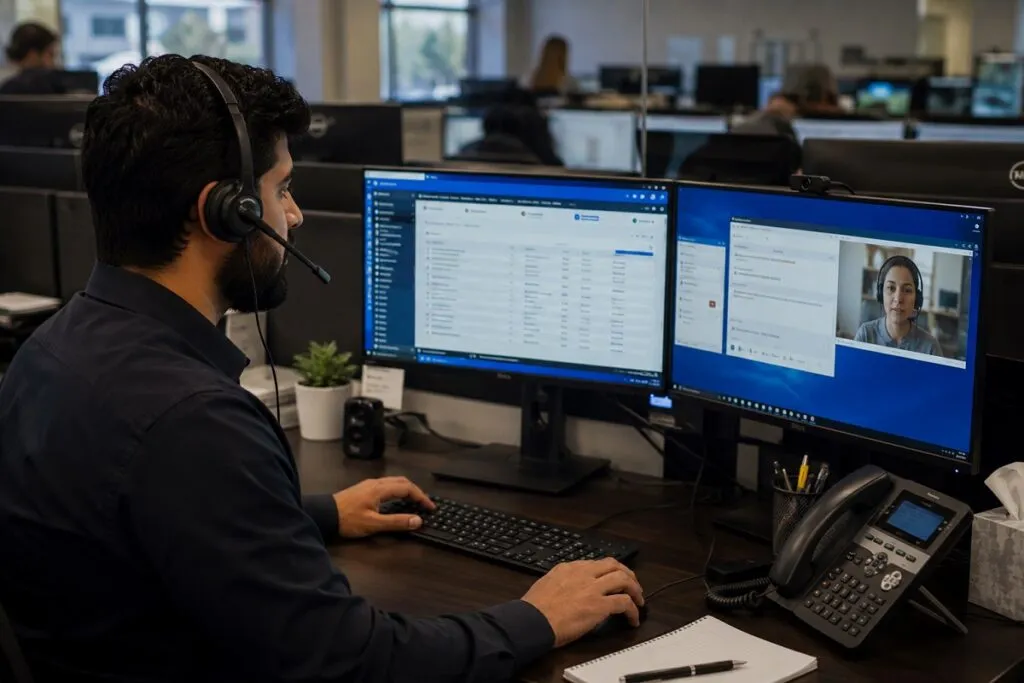
Reliable IT support staffing has become a business continuity issue for organizations across Cincinnati. Whether supporting manufacturing operations, healthcare systems, financial institutions, logistics providers, or corporate headquarters, internal IT support teams now carry responsibilities that extend far beyond resolving help desk tickets. Every delayed response, unresolved hardware issue, identity management problem, or workstation outage directly affects employee productivity, customer service, cybersecurity, and operational performance.
Tier2Tek Staffing helps Cincinnati employers build IT support teams capable of supporting evolving technology environments while minimizing operational risk. Rather than simply matching resumes to job descriptions, we evaluate how candidates perform within business-critical support environments where communication, troubleshooting methodology, documentation discipline, escalation judgment, and customer interaction directly influence organizational stability.
Why Cincinnati Employers Face Growing IT Support Staffing Challenges

Cincinnati continues to maintain one of the Midwest’s strongest concentrations of Fortune 500 headquarters, advanced manufacturing operations, healthcare organizations, consumer goods companies, financial services firms, and regional logistics providers. This diverse business ecosystem creates unusually broad demand for experienced IT support professionals.
Unlike technology hubs where candidates often specialize in software engineering, Cincinnati employers frequently require technicians capable of supporting hybrid infrastructures consisting of:
- Windows enterprise environments
- Microsoft 365 administration
- Active Directory
- Azure Active Directory
- Cisco networking
- VMware
- endpoint management
- mobile device management
- hardware deployment
- conference room technologies
- remote workforce support
Many organizations also expect support technicians to understand manufacturing equipment connectivity, warehouse operations, ERP integrations, or regulated business environments.
This combination significantly narrows the qualified talent pool.
Businesses often discover that candidates possessing strong technical knowledge may lack the communication skills necessary for executive support, while highly customer-focused technicians may not possess sufficient infrastructure experience to troubleshoot increasingly complex environments.
The result is extended hiring cycles, increased overtime among existing IT teams, delayed technology initiatives, and greater operational exposure.
Operational Risk Increases When IT Support Positions Stay Vacant
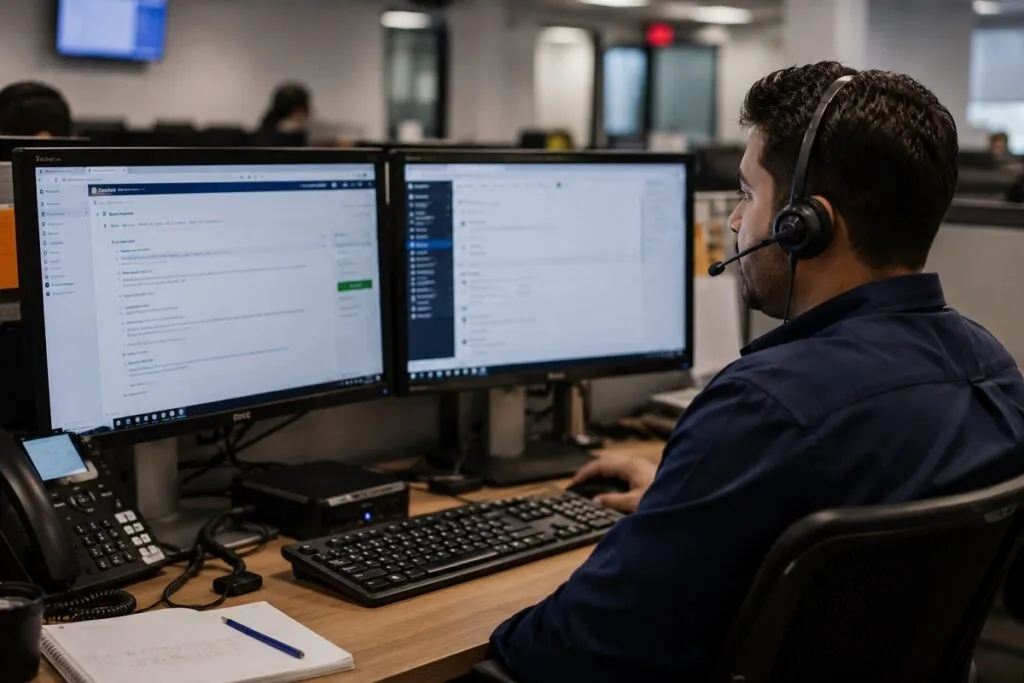
An open IT support position rarely impacts only the help desk.
Vacancies gradually affect nearly every department within the organization as unresolved technology issues accumulate.
| Operational Area | Business Impact of Understaffed IT Support |
|---|---|
| Employee onboarding | Delayed workstation deployment and account provisioning |
| Executive support | Increased downtime during critical meetings |
| Manufacturing operations | Slower issue resolution affecting production technology |
| Customer service | Reduced responsiveness due to workstation interruptions |
| Cybersecurity | Delayed patching, account management, and endpoint remediation |
| Infrastructure projects | Routine support consumes project resources |
Organizations frequently underestimate how quickly ticket backlogs begin affecting employee productivity.
When technicians remain occupied resolving routine password resets, laptop deployments, printer issues, conference room failures, or VPN connectivity problems, senior infrastructure personnel become increasingly distracted from higher-value initiatives including security improvements, cloud migrations, disaster recovery planning, and infrastructure modernization.
Support staffing shortages create strategic opportunity costs in addition to operational delays.
Cincinnati’s Local Hiring Bottlenecks Extend Beyond Technical Skills
One characteristic that distinguishes Cincinnati’s hiring market is the concentration of employers competing for similar mid-level technical talent.
Regional healthcare systems, national consumer products companies, manufacturing facilities, logistics providers, universities, financial institutions, and managed service providers often pursue candidates with nearly identical experience requirements.
Employers commonly seek technicians experienced with:
- ServiceNow
- Jira Service Management
- Microsoft Intune
- SCCM
- Azure
- Cisco Meraki
- VMware
- Okta
- Microsoft Teams
- Zoom Rooms
Candidates possessing experience across several of these platforms often receive multiple offers before many hiring processes conclude.
Businesses that rely on lengthy interview sequences frequently lose strong candidates despite offering competitive compensation.
Another local dynamic involves employers headquartered in downtown Cincinnati competing against organizations in Blue Ash, Mason, Sharonville, West Chester, and Northern Kentucky. Candidates increasingly evaluate commute flexibility alongside compensation, making hybrid support structures an important competitive advantage.
Business Continuity Depends on Stable Support Coverage
Technology disruptions rarely occur according to staffing schedules.
Support teams must provide consistent coverage during equipment failures, office moves, cybersecurity incidents, software deployments, onboarding cycles, executive meetings, and seasonal business peaks.
Organizations with limited staffing flexibility often experience:
- Escalating ticket response times
- Increased employee frustration
- Deferred maintenance
- Delayed hardware refreshes
- Inconsistent documentation
- Burnout among senior engineers
- Reduced customer responsiveness
Business continuity planning should include staffing resilience alongside infrastructure redundancy.
An organization may invest significantly in backup systems, redundant internet providers, and disaster recovery infrastructure while overlooking the operational dependency created by understaffed support teams.
Hybrid Work Has Permanently Changed IT Support Expectations
Remote and hybrid work models have fundamentally altered support workflows throughout Cincinnati.
Today’s technicians frequently support users working across:
- Corporate offices
- Manufacturing facilities
- Home offices
- Distribution centers
- Regional branch locations
- Executive travel environments
Modern support responsibilities now include:
- Remote device provisioning
- Endpoint security verification
- VPN troubleshooting
- Identity management
- Multifactor authentication support
- Microsoft Teams administration
- Mobile device enrollment
- Cloud application troubleshooting
Technicians who previously focused primarily on desktop support now require broader systems awareness and stronger customer communication skills.
Businesses that underestimate this shift often hire candidates whose experience reflects pre-hybrid support environments rather than current operational realities.
Observations Experienced Cincinnati IT Leaders Frequently Recognize

Several operational patterns consistently emerge among larger Cincinnati employers.
Many organizations maintain significant headquarters operations while supporting satellite manufacturing plants, distribution centers, or regional offices throughout Southwest Ohio and Northern Kentucky. Support technicians therefore spend considerable time coordinating issues remotely rather than working exclusively from a centralized office.
Another common reality involves mergers, acquisitions, and legacy technology environments. Many regional companies continue integrating systems inherited through acquisitions, requiring technicians who can navigate mixed Active Directory structures, varying endpoint standards, multiple ERP environments, and inconsistent documentation practices without disrupting business operations.
Finally, several of Cincinnati’s largest employers continue balancing traditional on-premise infrastructure alongside expanding Microsoft Azure and Microsoft 365 ecosystems. IT support professionals increasingly operate across both environments rather than specializing exclusively in one.
Staffing Scalability Matters More Than Headcount
Business growth rarely follows predictable staffing timelines.
Organizations launching new facilities, expanding operations, upgrading ERP systems, or completing acquisitions often experience temporary spikes in support demand.
Building scalability into IT staffing allows businesses to respond more effectively.
| Business Event | Staffing Consideration |
|---|---|
| Office relocation | Increased deployment and onsite support needs |
| ERP implementation | Temporary surge in end-user support |
| Company acquisition | Identity integration and workstation deployment |
| Hardware refresh | Additional imaging and deployment resources |
| Seasonal workforce growth | Faster onboarding and credential management |
Organizations that plan staffing capacity around average ticket volumes often struggle during these operational transitions.
Common Hiring Mistakes Cincinnati Employers Continue to Make
Several hiring practices repeatedly create avoidable staffing problems.
Hiring solely for technical certifications often overlooks communication abilities that determine successful end-user interactions.
Organizations also underestimate documentation discipline. Strong support teams create repeatable processes that reduce future ticket volume rather than repeatedly solving identical issues.
Another frequent mistake involves expecting one technician to simultaneously function as desktop support, systems administrator, network engineer, cybersecurity analyst, and project manager.
These hybrid expectations significantly reduce candidate availability while increasing turnover after hiring.
Finally, employers sometimes overlook long-term cultural alignment.
Support professionals interact with employees across every department. Technical competence alone rarely predicts long-term success.
How Tier2Tek Evaluates IT Support Candidates
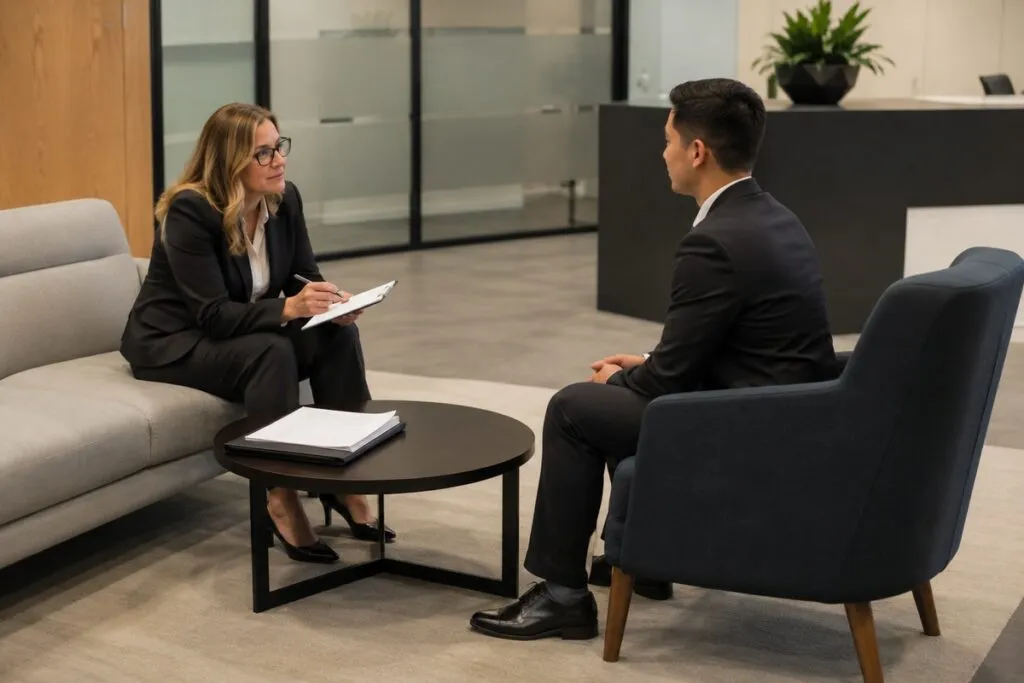
Tier2Tek Staffing evaluates candidates beyond resume keywords.
Our recruiting process examines operational competencies that influence long-term performance within business technology environments.
Evaluation areas include:
- Troubleshooting methodology
- Customer communication
- Ticket prioritization
- Escalation judgment
- Documentation quality
- Technical curiosity
- Infrastructure awareness
- Business professionalism
- Remote support effectiveness
- Adaptability within changing environments
We also assess platform familiarity relevant to employer environments, including Microsoft technologies, virtualization, endpoint management, networking fundamentals, identity management, and service management platforms.
Candidates demonstrating structured problem-solving and strong communication frequently outperform applicants possessing broader technical exposure but weaker operational discipline.
Technology Platforms Frequently Used by Cincinnati Employers
Many organizations across Cincinnati operate mixed technology environments rather than relying on a single vendor ecosystem.
Common platforms include:
- Microsoft 365
- Azure
- Windows Server
- VMware
- Hyper-V
- Cisco networking
- Meraki
- Active Directory
- Entra ID
- Intune
- SCCM
- ServiceNow
- Jira Service Management
- ConnectWise
- Zoom
- Microsoft Teams
- CrowdStrike
- SentinelOne
Understanding how candidates have applied these technologies within operational environments often provides greater insight than certification lists alone.
Choosing an IT Support Staffing Partner Requires Operational Perspective
Staffing decisions affect far more than hiring timelines.
The right recruiting partner should understand:
- Ticket escalation structures
- Support center workflows
- Service level expectations
- Business continuity planning
- Infrastructure dependencies
- End-user experience
- ITIL concepts
- Change management
- Operational risk
Recruiters without technology recruiting expertise often evaluate candidates primarily through keyword matching.
Tier2Tek focuses on operational fit, technical capability, communication effectiveness, and long-term organizational value.
For organizations seeking broader IT support hiring guidance, explore our primary service desk staffing resource.
Editorial Standards and Recruiting Expertise
Tier2Tek develops staffing content using direct recruiting experience within information technology hiring markets. Our editorial process incorporates ongoing conversations with hiring managers, infrastructure leaders, service desk managers, systems administrators, and technology executives to ensure our guidance reflects current operational realities rather than generic recruiting advice.
Our recruiters continuously evaluate technical candidates across enterprise support environments, allowing us to recognize emerging hiring trends, evolving platform expectations, and practical workforce challenges affecting employers throughout Cincinnati.
Frequently Asked Questions
Hiring timelines vary according to required technologies, security requirements, and support responsibilities. Positions requiring enterprise Microsoft experience, hybrid infrastructure knowledge, and strong customer communication typically require longer recruiting cycles because qualified candidates remain in high demand.
Many organizations compete for candidates possessing similar technical backgrounds. Employers frequently seek professionals with Microsoft administration experience, endpoint management knowledge, networking fundamentals, and excellent communication skills, creating significant competition within the local market.
Certifications demonstrate technical commitment, but operational performance often depends more heavily on troubleshooting ability, communication, documentation quality, and structured problem-solving within business environments.
Hybrid work expands support responsibilities beyond traditional desktop troubleshooting. Modern technicians must support cloud applications, remote devices, identity management, collaboration platforms, and geographically distributed employees.
Healthcare, manufacturing, logistics, financial services, consumer products, higher education, and professional services all compete for experienced IT support professionals, contributing to sustained hiring pressure across the regional market.
Build an IT Support Team That Protects Business Operations
Technology support directly influences employee productivity, operational resilience, cybersecurity readiness, and customer experience.
Tier2Tek Staffing helps Cincinnati employers identify IT support professionals capable of strengthening daily operations while supporting long-term technology objectives.