Boston IT Support Staffing for Business Technology Teams
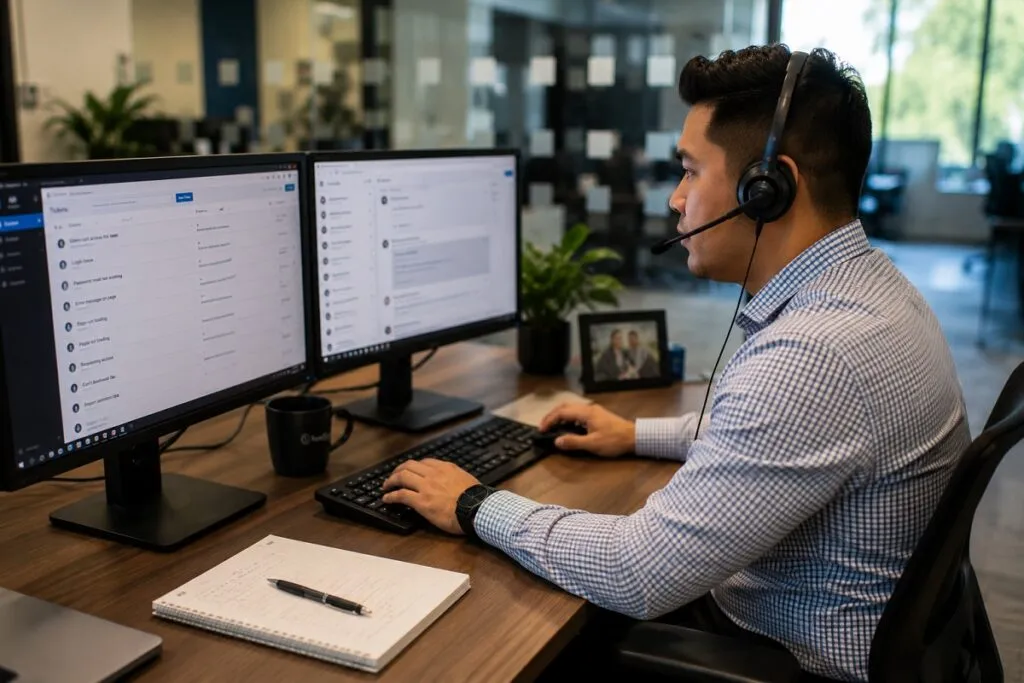
Boston organizations operate some of the country’s most demanding IT environments. Hospitals require uninterrupted clinical support, financial firms balance uptime with regulatory compliance, universities manage thousands of users across distributed campuses, and life sciences companies depend on technology that keeps research moving.
Hiring experienced IT support professionals in this market requires more than matching resumes to job descriptions. Tier2Tek Staffing helps Boston employers build IT support teams with the technical depth, communication skills, and operational maturity needed to support modern enterprise environments.
Boston’s IT Support Hiring Market Is Exceptionally Competitive
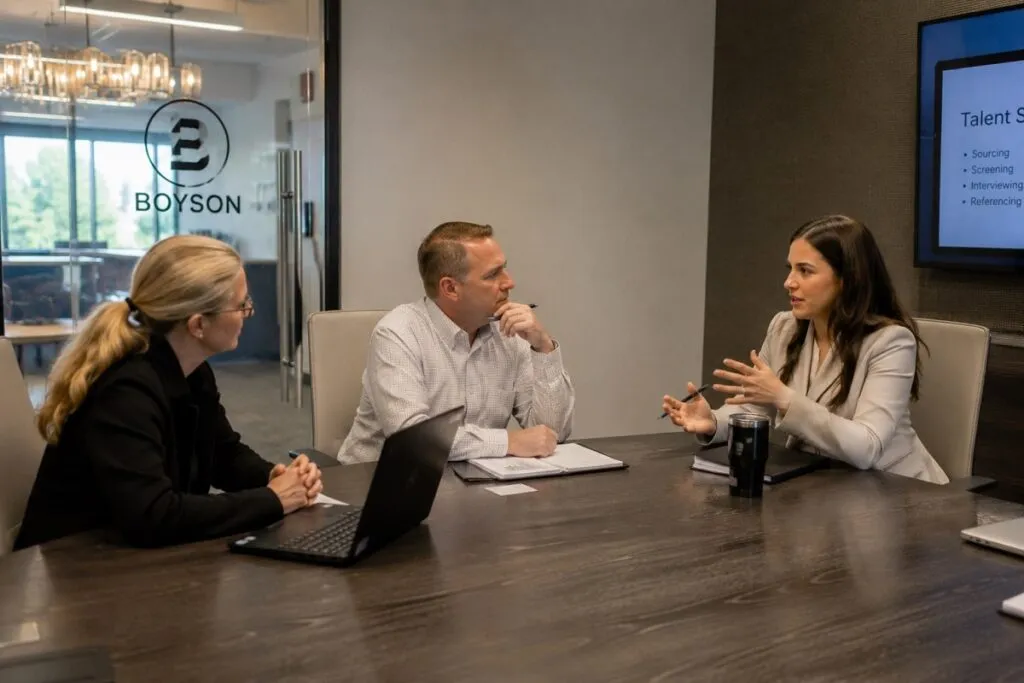
Boston consistently ranks among the nation’s strongest technology labor markets, but experienced IT support professionals remain in short supply.
Digital transformation, cloud adoption, cybersecurity initiatives, and hybrid work have expanded the responsibilities of support teams well beyond traditional help desk functions. Today’s employers expect technicians to troubleshoot, administer, document, and improve operations.
Many organizations now seek experience with:
- Microsoft 365
- Microsoft Entra ID
- Intune
- Azure
- VMware
- Cisco and Meraki networking
- ServiceNow
- Jira Service Management
- Microsoft Teams
- Endpoint security platforms
- Mobile device management
- PowerShell automation
While Boston produces exceptional technical graduates through its universities, many employers discover that enterprise-ready support professionals remain difficult to hire. Supporting regulated healthcare systems or enterprise financial environments requires practical experience that cannot be learned in a classroom alone.
The Industries Driving IT Support Demand
Boston’s economy creates one of the country’s most diverse hiring markets. IT support professionals regularly receive interest from employers operating in completely different industries, each with unique technical requirements.
| Industry | Common IT Priorities | What Employers Value |
|---|---|---|
| Healthcare | Clinical workstations, EMR systems, HIPAA compliance | Calm troubleshooting, documentation, shift coverage |
| Biotechnology & Life Sciences | Laboratory systems, research applications, instrument connectivity | Precision, change control, regulated environments |
| Financial Services | Secure desktops, compliance, identity management | Security awareness, professionalism, executive support |
| Higher Education | Campus technology, identity services, classroom support | Customer service, multi-site support, organization |
| Professional Services | Microsoft 365, conferencing, hybrid work | Communication and responsiveness |
Unlike markets dominated by one industry, Boston employers often compete for the same candidates despite having very different operational priorities.
A desktop support technician interviewing with a hospital may also receive offers from a biotech company, investment firm, and university within the same week. That competition places a premium on efficient hiring processes and realistic job requirements.
Why IT Support Operations Look Different in Boston
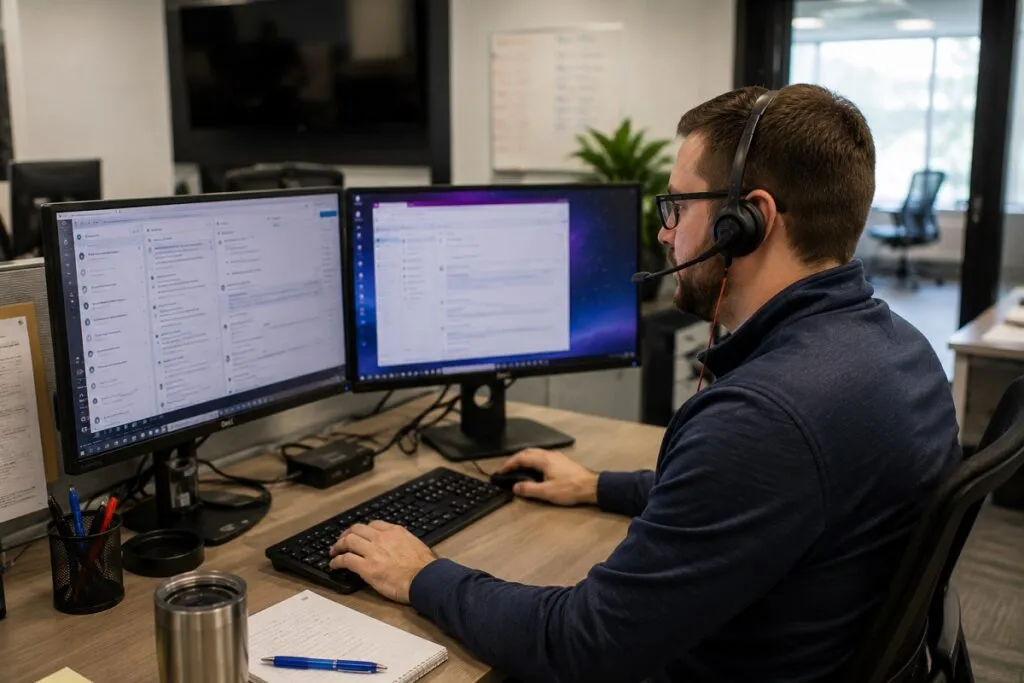
Boston’s business environment presents operational challenges that experienced IT managers recognize immediately.
Many organizations occupy historic buildings where modern networking, wireless infrastructure, and collaboration technology have been added over decades. Troubleshooting these environments often demands practical experience rather than textbook knowledge.
Hybrid work has also reshaped daily support operations. IT teams routinely assist employees moving between downtown offices, suburban campuses, research facilities, and home offices. Authentication problems, VPN connectivity, Teams device issues, and endpoint management requests now consume a larger share of support workloads than traditional desktop break-fix tasks.
Another common reality is geographic distribution. Many organizations maintain offices in Boston, Cambridge, Waltham, Burlington, Lexington, or the Seaport District. Support technicians are expected to prioritize issues across multiple locations while maintaining consistent communication with users and IT leadership.
These operational realities influence hiring decisions far more than generic technical checklists.
Employer Competition Continues to Increase
Several sectors continue driving sustained demand for experienced support professionals:
- Healthcare systems expanding clinical technology
- Biotech companies opening new research facilities
- Financial firms strengthening cybersecurity operations
- Universities modernizing campus infrastructure
- Managed service providers supporting growing client portfolios
- Technology companies expanding internal IT teams
Strong candidates rarely remain available for long.
Organizations that rely on lengthy interview cycles often lose experienced professionals to employers prepared to make timely, well-informed hiring decisions.
That does not mean lowering hiring standards. Instead, successful employers clearly define responsibilities, involve decision-makers early, and evaluate candidates against the work they will actually perform.
What Modern IT Support Teams Are Expected to Deliver

The role of IT support has expanded significantly across Boston organizations.
Today’s teams frequently manage:
- Incident and service request triage
- Executive desktop support
- Device imaging and deployment
- Microsoft Autopilot provisioning
- Microsoft 365 administration
- Entra ID account management
- Intune device enrollment
- Multi-factor authentication
- Asset lifecycle management
- Teams Rooms and conference technology
- Mobile device management
- Knowledge base documentation
- Software deployment
- Remote support for hybrid users
One trend stands out across nearly every industry.
Hiring managers increasingly look for technicians who improve operations rather than simply close tickets. Candidates who can reduce recurring incidents, improve documentation, automate repetitive tasks, or identify workflow improvements often create greater long-term value than technicians focused solely on technical troubleshooting.
Common Hiring Mistakes Boston Employers Make
Technical skills matter, but they are only one part of a successful hire.
Several hiring patterns consistently slow recruiting efforts:
- Overemphasizing certifications while overlooking communication skills
- Combining multiple specialized roles into one job description
- Requiring experience with every technology in the environment
- Underestimating the importance of customer service
- Delaying interview decisions after identifying qualified candidates
Another common mistake is assuming all desktop support experience is interchangeable.
Supporting a 50-person office differs significantly from supporting physicians in a hospital, researchers in laboratory environments, or executives in regulated financial organizations. Candidates should be evaluated against the complexity of the environment, not simply years of experience.
The strongest IT support professionals also demonstrate adaptability. In many Boston organizations, technicians shift throughout the day between executive support, onboarding, endpoint management, conference room technology, security procedures, and documentation. That operational flexibility is often a better predictor of long-term success than a resume filled with familiar software names.
How Tier2Tek Evaluates IT Support Candidates
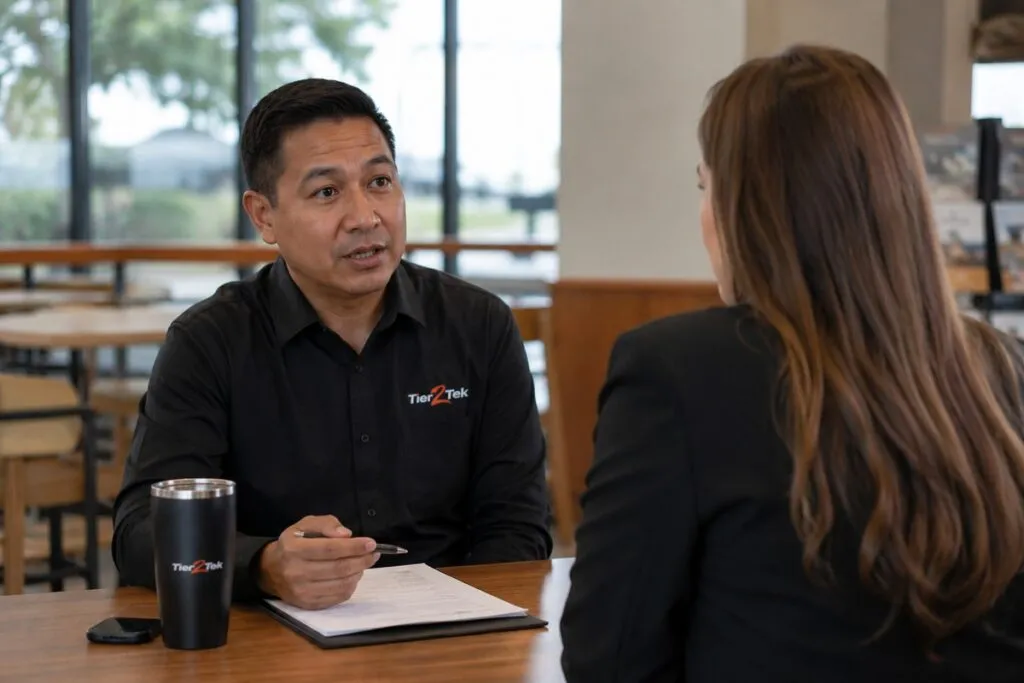
A resume tells us where someone has worked. It rarely explains how they perform under pressure or how they solve problems.
Our recruiters evaluate candidates based on the environments they have supported, the decisions they have made, and how they communicate with end users and IT leadership.
We assess:
- Troubleshooting methodology
- Customer service and communication
- Incident prioritization
- Documentation quality
- Escalation judgment
- Technical curiosity
- Executive support experience
- Ability to work independently
Rather than asking candidates to list technologies, we discuss real operational scenarios.
Typical conversations include Microsoft 365 authentication failures, conference room outages before executive meetings, large onboarding projects, Intune deployment issues, recurring printer problems, VPN troubleshooting, and supporting hybrid users across multiple locations.
We also verify experience with platforms commonly found across Boston organizations:
- Microsoft 365
- Entra ID
- Intune
- Azure
- VMware
- Cisco Meraki
- Active Directory
- ServiceNow
- Jira Service Management
- PowerShell
- Teams Rooms
- Zoom Rooms
Most importantly, we evaluate whether candidates understand the business impact behind technical issues. Restoring access for a physician, financial analyst, laboratory researcher, or executive often requires different priorities, communication styles, and escalation decisions.
The Boston Talent Market Continues to Evolve
Boston employers now compete with both local organizations and remote employers recruiting nationwide.
At the same time, cloud adoption has changed what successful IT support professionals look like.
Today’s strongest candidates often combine traditional desktop support with:
- Identity and access management
- Endpoint compliance
- SaaS application support
- Conditional Access troubleshooting
- Mobile device administration
- Endpoint security
- Basic scripting and automation
This broader skill set allows lean IT teams to support increasingly complex environments without significantly increasing headcount.
Hiring Tradeoffs That Shape Successful IT Teams
Every hiring decision involves tradeoffs. The most successful organizations understand those tradeoffs before recruiting begins.
| Hiring Strategy | Best Fit | Consider Before Hiring |
|---|---|---|
| Experienced enterprise technician | Large, complex environments | Higher compensation expectations |
| Early-career technician | Organizations with mentoring capacity | Longer ramp-up period |
| Managed service provider background | Fast-paced support environments | May require adjustment to internal processes |
| Industry-specific experience | Highly regulated operations | Smaller candidate pool |
The right decision depends on business priorities.
A growing biotech company preparing a new laboratory may benefit from someone experienced with infrastructure rollouts and regulated environments. A professional services firm with an established IT department may achieve stronger long-term results by developing an ambitious technician with excellent communication skills.
Hiring for future growth instead of today’s workload often produces better long-term outcomes.
Operational Realities Unique to Boston
Boston’s business environment creates support challenges that experienced IT managers recognize immediately.
Organizations around Kendall Square often support specialized laboratory equipment alongside standard enterprise infrastructure. Technicians must troubleshoot scientific applications, vendor-managed systems, and research hardware while maintaining conventional corporate IT services.
Downtown financial firms frequently operate hybrid environments where legacy business applications coexist with Microsoft 365, cloud identity platforms, and modern endpoint management. Support teams regularly move between older line-of-business systems and cloud administration during the same shift.
Higher education and healthcare organizations also experience predictable onboarding surges. New semesters, residency programs, and research initiatives can generate hundreds of account creations, workstation deployments, badge requests, and equipment assignments within days. Employers who plan for these cycles typically maintain stronger service levels than those reacting after demand spikes.
These operational patterns rarely appear in job descriptions, yet they significantly influence hiring success.
Building IT Support Teams That Scale
Organizations that hire only for today’s ticket volume often find themselves recruiting again within a year.
Before opening a position, many IT leaders evaluate questions such as:
- Are additional offices planned?
- Will Microsoft Intune deployment expand?
- Is cloud migration accelerating?
- Will cybersecurity initiatives increase support demand?
- Are acquisitions expected?
- Is executive support becoming more complex?
Candidates who demonstrate adaptability, documentation discipline, and continuous learning frequently deliver greater long-term value than specialists whose experience is narrowly focused on today’s technology stack.
Why Employers Partner With Tier2Tek
Recruiting successful IT support professionals requires understanding how technical teams actually operate.
Before beginning a search, we learn:
- Team structure
- User population
- Ticket volume
- Escalation workflow
- Infrastructure complexity
- Leadership expectations
- Growth plans
- Communication style
That operational context allows us to identify candidates who fit both the technology environment and the way the organization works.
For organizations seeking additional hiring guidance, visit our primary IT Support Staffing resource:
Our Editorial Standards
Tier2Tek develops employer-focused recruiting content using insights from experienced technology recruiters, hiring managers, and active recruiting engagements.
Every article is reviewed for technical accuracy, hiring relevance, and practical value. Rather than relying on generalized employment advice, we focus on operational realities that influence hiring decisions in specific regional markets.
Our content is periodically updated as enterprise technologies, hiring practices, and workforce expectations continue to evolve.
Frequently Asked Questions
Yes. Healthcare, financial services, biotechnology, higher education, and technology companies actively compete for experienced support professionals across Greater Boston.
Microsoft 365, Entra ID, Intune, Azure, endpoint management, ServiceNow, VMware, and strong customer support experience continue to rank among the most requested skills.
Not always. Candidates who have supported similarly complex environments often transition successfully between industries when they demonstrate strong troubleshooting skills and communication.
Experienced IT support professionals frequently receive multiple interview requests. Clear interview processes and prompt decisions improve hiring success.
Yes. We support employers throughout Greater Boston, including Cambridge, Waltham, Burlington, Lexington, Newton, Quincy, the Seaport District, and surrounding communities.
Request IT Support Staffing Assistance
Whether you’re strengthening a service desk, expanding desktop support, or hiring experienced technical support professionals, Tier2Tek can help you identify candidates who fit your technology environment and business objectives.