Hire IT Support Staff in Austin
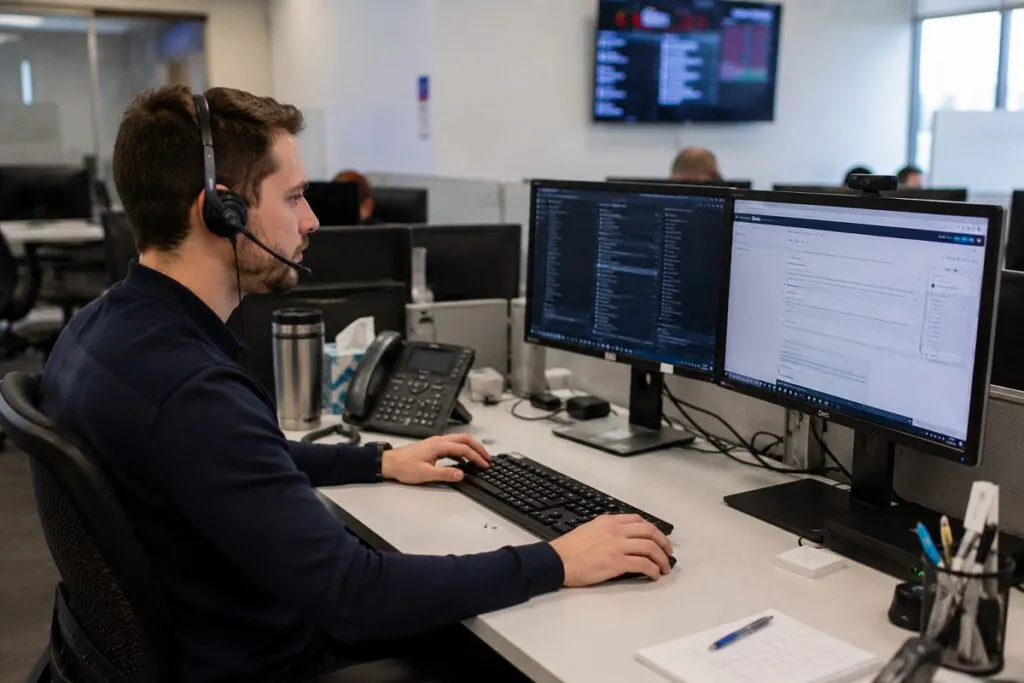
Austin businesses depend on responsive IT support teams to keep employees productive, protect business continuity, and support increasingly complex technology environments. From semiconductor manufacturers in North Austin to software companies downtown and healthcare providers expanding across Central Texas, organizations need technical professionals who can resolve issues quickly while maintaining excellent customer service.
Tier2Tek Staffing helps employers build reliable IT support teams by identifying professionals who combine technical expertise with the communication skills required in modern business environments. Our recruiting approach focuses on how candidates perform within real operational settings instead of relying only on certifications or keyword matching.
Austin’s IT Support Hiring Market Has Changed

Austin’s reputation as a technology hub continues to reshape the local IT support labor market. While software engineering often receives the attention, employers across the region are competing just as aggressively for experienced desktop support technicians, service desk analysts, help desk specialists, field technicians, and IT support leads.
Several market forces are driving demand:
- Enterprise software companies expanding local operations
- Semiconductor manufacturing growth in North Austin and Taylor
- Healthcare systems adding clinical technology support
- Financial technology firms increasing security and compliance requirements
- Managed service providers supporting hundreds of regional businesses
- Universities and research organizations operating large distributed IT environments
Many organizations discover that technical support hiring takes longer than expected because experienced candidates often receive multiple offers before an interview process is complete.
One trend unique to Austin is the movement of support professionals between enterprise employers and managed service providers. Many technicians begin their careers supporting multiple client environments before moving into internal IT departments where they can specialize in infrastructure, cloud administration, or cybersecurity.
The Business Environments Austin IT Teams Support
Austin employers rarely operate simple technology environments. Even mid-sized companies often support hybrid infrastructure spanning cloud platforms, on-premise systems, remote employees, SaaS applications, and multiple office locations.
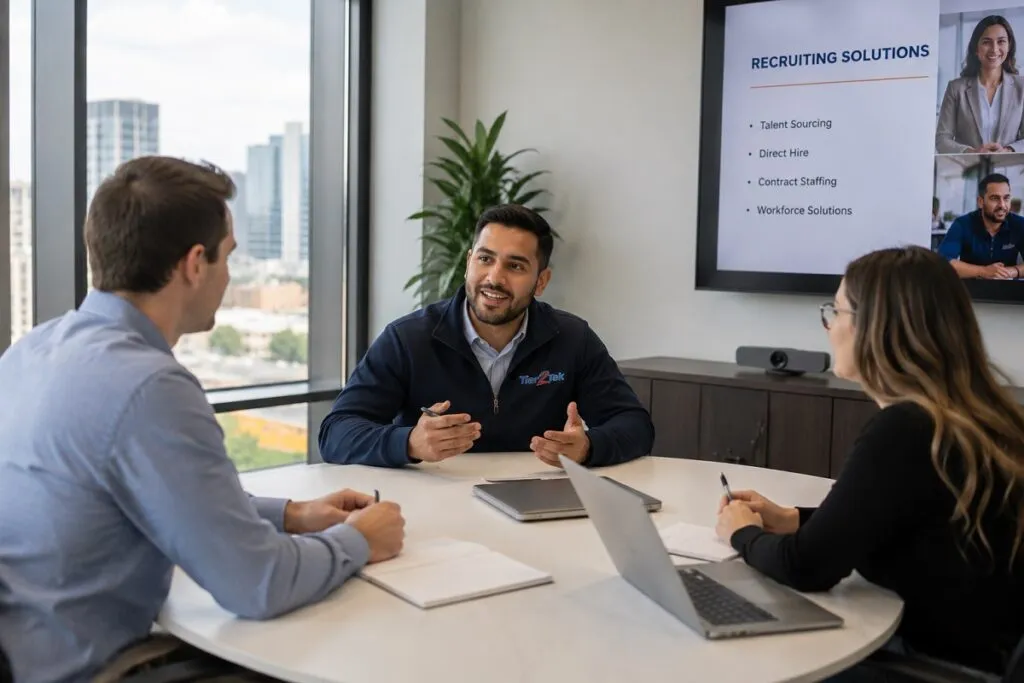
Today’s IT support teams commonly manage:
| Business Environment | Common Support Responsibilities |
|---|---|
| Software companies | Endpoint management, SaaS administration, identity management, executive support |
| Semiconductor manufacturers | Production workstation support, engineering systems, secure access, shift coverage |
| Healthcare organizations | Clinical workstations, EMR access, device deployment, HIPAA compliance |
| Financial services | Secure desktop environments, MFA support, compliance documentation |
| Professional services | Microsoft 365 administration, conferencing, mobile device management |
| Higher education | Classroom technology, faculty support, student device management |
Experienced hiring managers recognize that these environments require technicians who understand both technology and business operations. Solving a password issue for a remote employee is different from restoring access to an engineering workstation supporting manufacturing operations.
Austin employers increasingly value technicians who understand how technology interruptions affect revenue, customer service, and operational productivity.
Why Hiring IT Support Is More Competitive in Austin
Austin’s unemployment rate for experienced technology professionals remains relatively low compared to many metropolitan markets. Organizations often compete against employers with larger recruiting budgets, stronger brand recognition, or internal referral networks.
This creates challenges for companies that wait until critical positions become vacant before beginning their search.
The competition extends beyond technology companies. Healthcare providers, manufacturers, financial institutions, logistics companies, universities, and government contractors all recruit from the same regional talent pool.
Another reality experienced by many hiring managers is that candidates with three to five years of support experience are often the most difficult to hire. They possess enough experience to manage complex issues independently but have not yet transitioned into systems administration or engineering roles.
Employers frequently lose these candidates by requiring too many interview rounds for positions that need to be filled quickly.
Operational Challenges Austin IT Managers Face
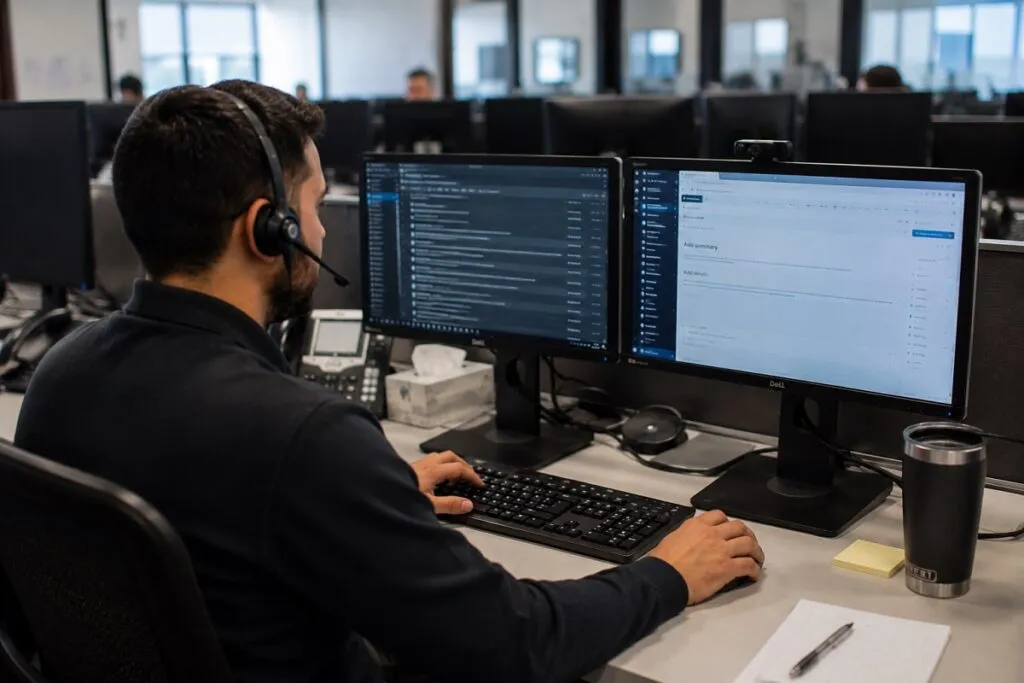
The daily responsibilities of Austin IT support teams continue to evolve as organizations adopt new technologies and hybrid work models.
Support professionals today handle much more than password resets and workstation imaging. Their work often includes endpoint security, mobile device management, identity administration, collaboration platforms, software deployment, and user education.
Common operational priorities include:
- Microsoft 365 administration
- Active Directory and Azure AD support
- Intune and endpoint management
- ServiceNow and Jira ticket management
- VPN troubleshooting
- MFA enrollment
- Zoom and Microsoft Teams support
- Asset lifecycle management
- Remote onboarding
- Executive desktop support
Many Austin organizations have also expanded geographically across Central Texas. Supporting employees in Round Rock, Cedar Park, Pflugerville, Georgetown, San Marcos, and remote home offices requires technicians who are comfortable resolving issues without physical access to devices.
This has increased demand for candidates with strong documentation habits and remote troubleshooting experience.
Common Hiring Mistakes We See in Austin
One of the most common mistakes employers make is writing job descriptions that combine multiple technical positions into one role.
A posting requesting advanced networking, server administration, cybersecurity, cloud engineering, desktop support, executive support, and after-hours coverage often discourages qualified candidates who know the position does not realistically match market expectations.
Another challenge involves overlooking customer service skills.
Technical knowledge can often be developed through training, but communication, patience, professionalism, and ownership significantly influence the success of an IT support professional.
Austin’s competitive labor market also rewards employers that move efficiently. Delays between interviews often result in candidates accepting another offer before a hiring decision is made.
Organizations also underestimate the importance of cultural alignment. Companies with collaborative engineering teams, fast-moving startups, healthcare providers, and manufacturing operations each require different communication styles and service expectations.
Technology Platforms We Frequently Recruit For

Austin employers use a wide variety of enterprise technologies depending on industry and organizational maturity.
Rather than recruiting solely around certifications, Tier2Tek evaluates candidates based on practical experience supporting the platforms employers actually use.
Common environments include:
| Infrastructure | Business Applications |
|---|---|
| Microsoft 365 | ServiceNow |
| Azure | Jira Service Management |
| Active Directory | Zendesk |
| Entra ID | ConnectWise Manage |
| VMware | Salesforce support |
| Hyper-V | Okta |
| Cisco Meraki | Microsoft Teams |
| Intune | Zoom |
| CrowdStrike | Slack |
| Jamf | Google Workspace |
Candidates are assessed on how they troubleshoot within these environments, communicate with users, document resolutions, and prioritize competing requests.
Knowing a platform is valuable. Understanding how to restore business operations under pressure is considerably more important.
How Tier2Tek Evaluates IT Support Candidates
Resumes rarely reveal how someone performs during a busy Monday morning when ticket queues begin filling before business hours.
Our recruiting process emphasizes operational capability alongside technical knowledge.
We evaluate candidates for:
- Troubleshooting methodology
- Customer communication
- Ticket ownership
- Escalation judgment
- Documentation quality
- Root cause thinking
- Technical adaptability
- Reliability and professionalism
We also discuss real workplace scenarios instead of relying exclusively on theoretical questions.
For example, we may ask how a candidate would prioritize multiple executive support requests while responding to a company-wide Microsoft 365 authentication issue or how they communicate recurring problems to infrastructure teams after identifying a broader trend.
These conversations provide hiring managers with a clearer understanding of how candidates will perform inside an active IT support operation rather than simply how well they interview.
Strategic Hiring Decisions for Austin Employers
Building an effective IT support team is not simply a matter of filling open positions. Employers must balance technical expertise, customer service, response times, and long-term growth potential.
Many Austin organizations face a choice between hiring highly specialized technicians or adaptable professionals who can support a broader technology environment.
For example, a rapidly growing software company may benefit from hiring a versatile Tier 2 technician who can manage Microsoft 365 administration, endpoint management, and user support. A semiconductor manufacturer may instead prioritize technicians with experience supporting engineering workstations and production environments.
The right decision depends on operational priorities rather than job titles alone.
Where Austin Employers Find Themselves Competing
Austin’s hiring competition extends well beyond traditional technology companies.
Large employers, regional healthcare systems, universities, managed service providers, manufacturers, and venture-backed startups often recruit from the same candidate pool. Even organizations outside the technology sector expect modern IT support teams capable of supporting cloud platforms, cybersecurity initiatives, and hybrid workforces.
An experienced support analyst may receive interest from multiple employers within the same week.
This competitive landscape makes compensation important, but candidates also evaluate career development, leadership quality, flexibility, and the stability of the organization.
One observation we frequently see is that many technicians prefer environments where they can learn infrastructure, cloud, or security technologies rather than remaining in repetitive ticket queues for years.
Austin’s Talent Market Rewards Practical Experience
The strongest IT support professionals in Austin often have diverse technical backgrounds.
Many have supported multiple client environments through managed service providers before moving into internal corporate IT. Others gained experience supporting university campuses, healthcare networks, manufacturing operations, or rapidly growing software companies.
This variety creates technicians who adapt quickly because they have worked through different support models, business priorities, and technology stacks.
Hiring managers who focus exclusively on industry experience sometimes overlook candidates with broader troubleshooting experience that transfers well across environments.
A Local Reality Many Employers Overlook
Austin continues to attract companies relocating from other states, bringing new users, new offices, and expanding IT infrastructure.
During periods of rapid growth, internal IT teams often spend as much time onboarding employees and deploying equipment as they do resolving technical issues.
Organizations that underestimate onboarding workloads frequently experience ticket backlogs, delayed equipment deployments, and inconsistent user experiences.
Adding one experienced support technician before major hiring initiatives often proves more effective than reacting after service levels begin declining.
Another operational reality involves executive expectations.
Many Austin technology companies maintain fast-paced business cultures where leadership expects immediate technical assistance for meetings, customer demonstrations, and investor presentations. Employers increasingly value technicians who remain calm under pressure while communicating clearly with senior leadership.
When High Volume Hiring Becomes Necessary
Some organizations only need a single experienced technician.
Others require an entire support team during office expansions, acquisitions, infrastructure projects, or large-scale hardware refreshes.
Tier2Tek supports both hiring models.
Whether a company requires two desktop support specialists or twenty service desk analysts across multiple locations, our recruiting process scales without sacrificing candidate quality.
Because we continuously recruit IT professionals, employers can often begin reviewing qualified candidates within 1 to 3 days, reducing delays that commonly impact business operations.
Why Employers Partner With Tier2Tek
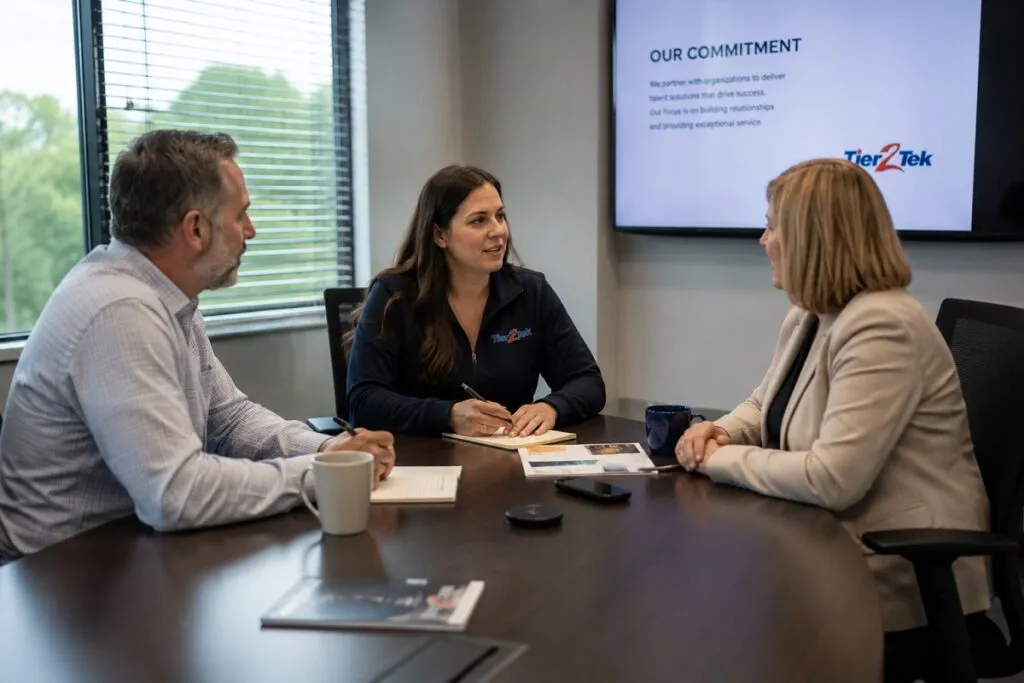
Employers choose Tier2Tek because we understand how IT support functions inside modern business environments.
We recognize the difference between technicians who simply close tickets and professionals who improve user productivity, communicate effectively, and strengthen internal IT operations.
Our recruiting process emphasizes:
- Technical troubleshooting ability
- Professional communication
- Business awareness
- Documentation quality
- Team collaboration
- Reliability
- Continuous learning
- Long-term organizational fit
Rather than forwarding resumes based solely on keywords, we evaluate how candidates approach real operational challenges.
That perspective helps employers reduce hiring risk while improving long-term retention.
Additional IT Support Staffing Resources
Organizations looking for broader information about building IT support teams can also explore our IT Support Staffing resource, which covers staffing strategies, hiring considerations, and support roles across multiple industries.
Our Editorial Standards and Recruiting Expertise
Every article published by Tier2Tek is developed with employers in mind.
Our content reflects recruiting experience, conversations with hiring managers, current labor market conditions, and practical knowledge of enterprise IT support environments. We regularly review hiring trends, technical skill requirements, and evolving workplace technologies to keep our guidance relevant for employers making hiring decisions.
Our recruiters also speak directly with IT professionals every day, providing ongoing insight into compensation expectations, candidate availability, and changing employer requirements across regional markets.
Frequently Asked Questions
Most employers begin reviewing qualified candidates within 1 to 3 business days, depending on the role and technical requirements.
Yes. Many candidates have experience with Microsoft 365, Entra ID, Active Directory, Intune, Azure, Teams, ServiceNow, Jira Service Management, and other enterprise platforms commonly used by Austin employers.
Absolutely. We recruit throughout the greater Austin region, including Round Rock, Cedar Park, Georgetown, Pflugerville, Leander, Buda, Kyle, and surrounding Central Texas communities.
We recruit Help Desk Technicians, Desktop Support Specialists, Service Desk Analysts, Tier 2 and Tier 3 Support, IT Support Leads, Field Technicians, Technical Support Engineers, and related support professionals.
Yes. We regularly support high-volume hiring for office expansions, technology rollouts, managed service providers, and enterprise support teams.
Request IT Support Staffing
Whether you need one experienced support professional or an entire service desk team, Tier2Tek can help you hire qualified IT talent quickly while maintaining the quality standards your business expects.