
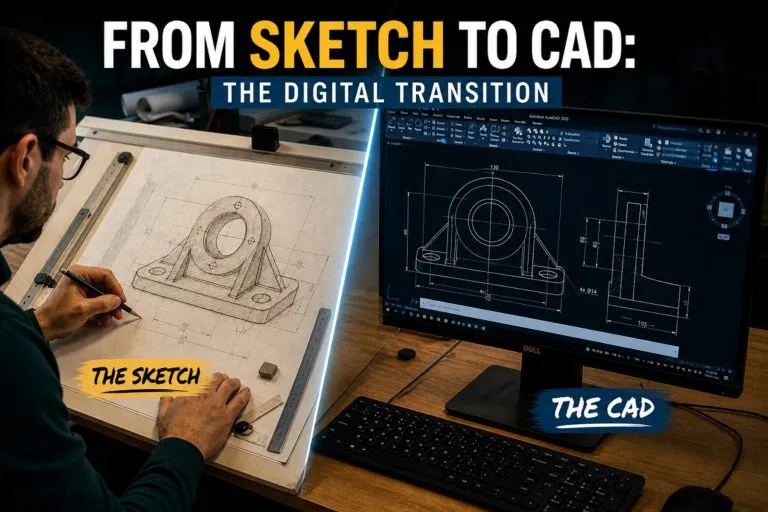
From sketch to CAD, the digital transition has reshaped how design concepts move from initial ideas to precise technical documentation. This shift has influenced industries such as manufacturing, architecture, engineering, and product development by improving accuracy, efficiency, and collaboration. Understanding how this transition unfolded provides valuable insight for hiring managers and HR professionals evaluating technical talent and digital competency.
Early Design Workflows Before Digital Tools
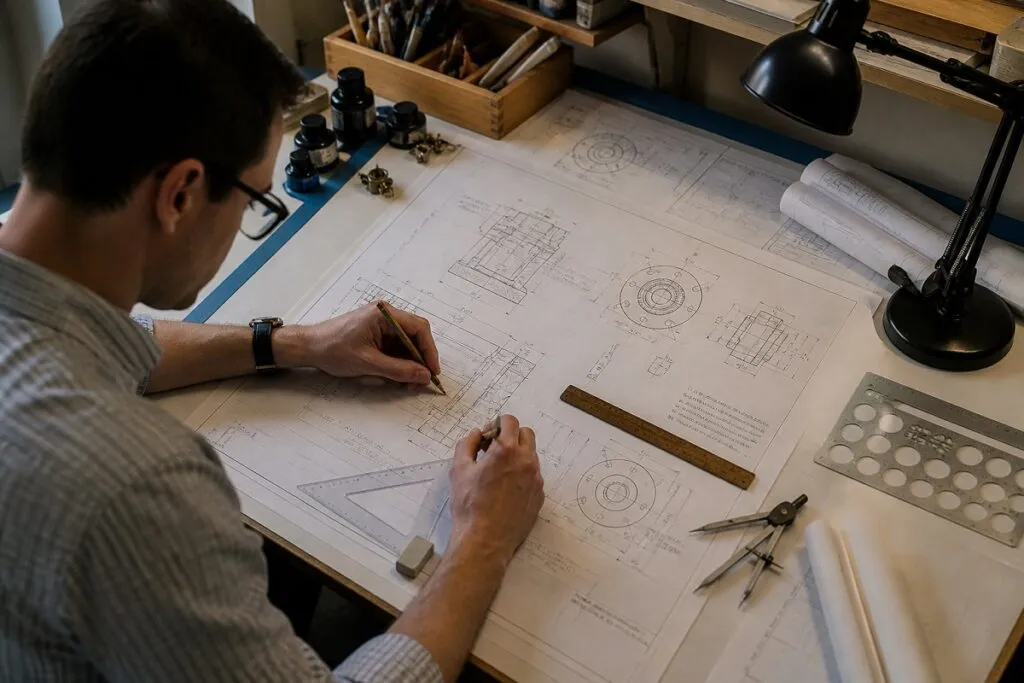
Before digital systems, design relied heavily on manual drafting. Engineers, architects, and designers used pencils, rulers, compasses, and drafting tables to create detailed drawings.
Limitations of Manual Drafting
- Revisions required redrawing entire sections
- Errors were difficult to correct cleanly
- Storage and duplication of drawings were time-consuming
- Collaboration was limited to physical sharing
Manual drafting demanded precision and patience, but it also created bottlenecks in production timelines. Complex projects often required teams of draftsmen, increasing labor costs and slowing innovation cycles.
The Emergence of Computer-Aided Design
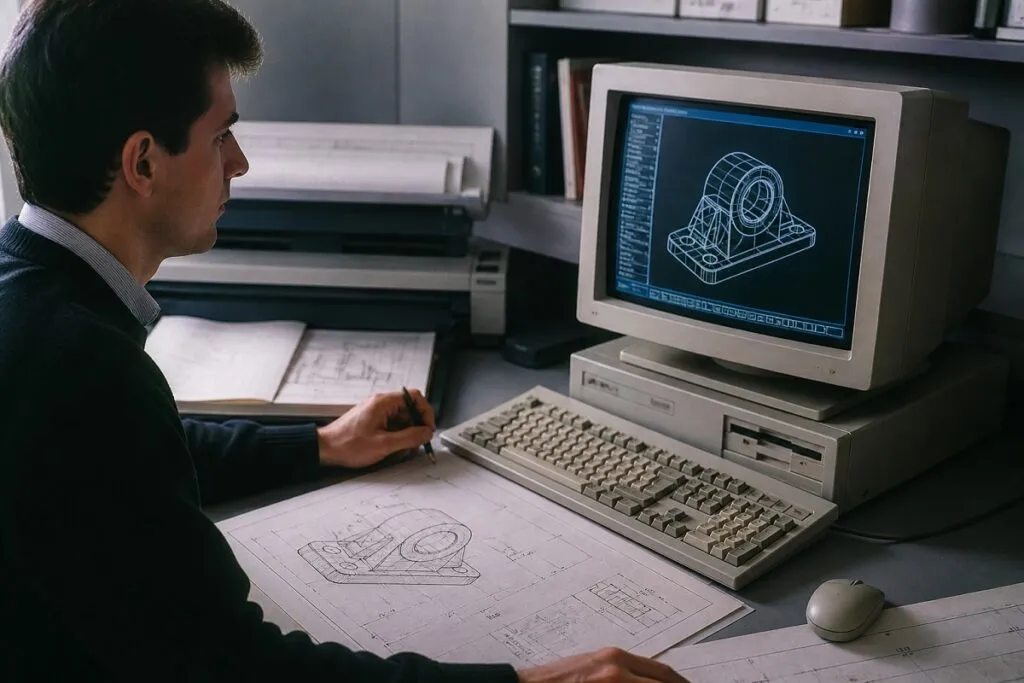
The transition from sketch to CAD began in the mid-20th century as computing technology advanced. Early systems were expensive and limited, but they laid the foundation for modern digital design workflows.
Key Milestones in CAD Development
- 1963: Ivan Sutherland developed Sketchpad, one of the first graphical computer programs
- 1970s: Early CAD systems were adopted in aerospace and automotive industries
- 1980s: Personal computers enabled wider access to CAD software
- 1990s: 3D modeling capabilities became more common
According to the National Institute of Standards and Technology, digital design tools have contributed to productivity improvements of up to 30 percent in engineering workflows.
Source: https://www.nist.gov
The Shift From 2D Drafting to 3D Modeling
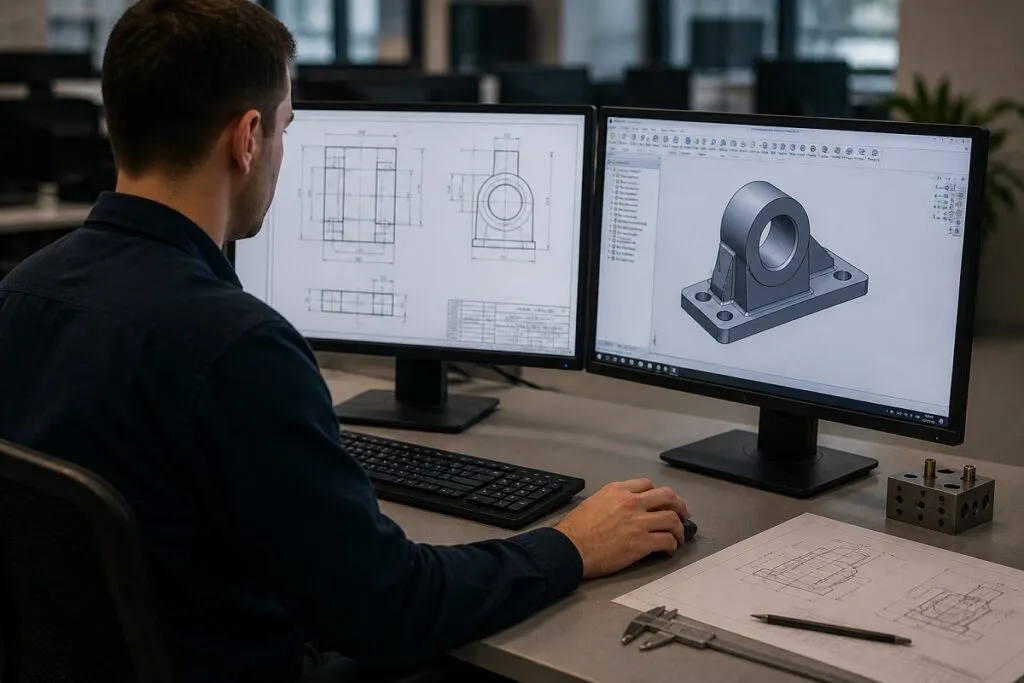
The digital transition did not stop at replacing paper with screens. It evolved into a fundamental change in how designs are conceptualized and executed.
Advantages of 3D CAD Systems
- Visualization of complex geometries in real time
- Simulation and testing before production
- Automatic updates across design components
- Improved communication between teams
3D modeling allows designers to identify issues earlier in the process, reducing costly errors during manufacturing or construction. This capability has become a key skill for candidates in technical roles.
Impact on Engineering and Product Development
From sketch to CAD, the transformation has streamlined product development cycles and improved collaboration across departments.
Efficiency Gains
- Faster iteration cycles
- Reduced prototyping costs
- Integration with manufacturing systems
Collaboration Enhancements
- Cloud-based CAD platforms enable real-time teamwork
- Version control ensures consistency across teams
- Easier sharing with stakeholders and clients
A report from McKinsey highlights that digital engineering tools can reduce product development time by up to 50 percent in some industries.
Source: https://www.mckinsey.com
Digital Transformation in Architecture and Construction
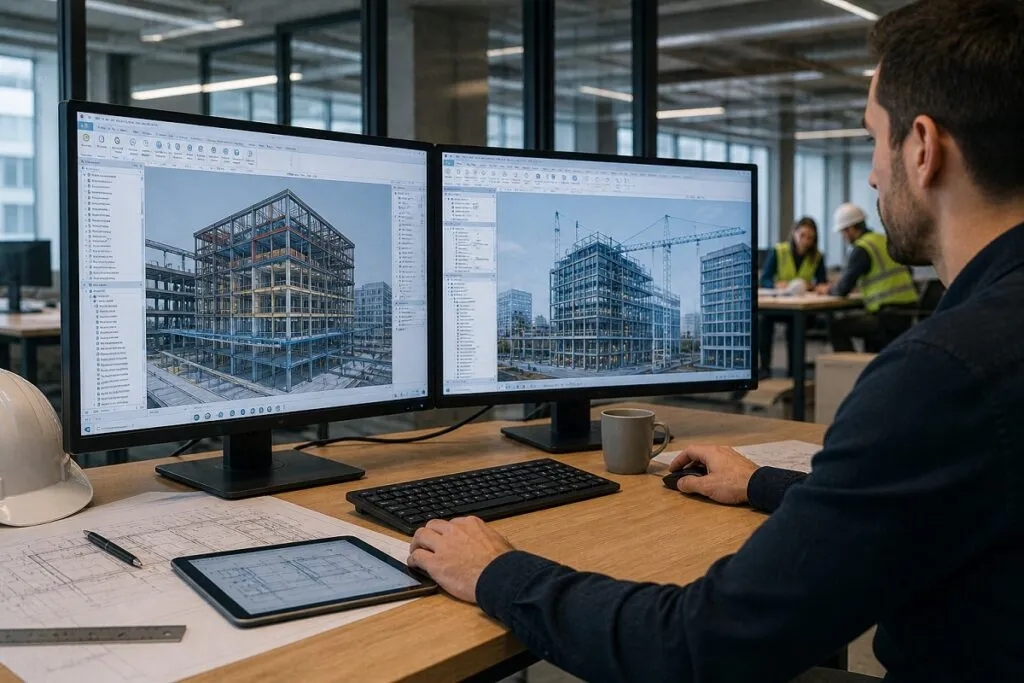
The transition from sketch to CAD also transformed architectural design and construction planning. Traditional blueprints have been replaced by digital models that provide greater detail and accuracy.
Key Developments
- Building Information Modeling (BIM) integrates design, construction, and maintenance data
- Digital models improve project coordination and reduce conflicts
- Enhanced visualization helps clients understand designs more clearly
According to Autodesk, BIM adoption can reduce project errors by up to 40 percent and significantly lower rework costs.
Source: https://www.autodesk.com
Workforce Implications for Hiring Managers and HR

The shift from sketch to CAD has changed the skill sets required in design and engineering roles. Hiring managers must evaluate candidates not only on technical knowledge but also on digital proficiency.
Core Skills to Look For
- Proficiency in CAD software such as AutoCAD, SolidWorks, or Revit
- Understanding of 3D modeling and simulation tools
- Ability to collaborate using digital platforms
- Familiarity with industry-specific design standards
Indicators of Strong Digital Competency
- Experience with cloud-based design tools
- Knowledge of automation and parametric design
- Ability to interpret and analyze digital models
Recruiting professionals should also consider candidates who demonstrate adaptability, as digital tools continue to evolve rapidly.
Integration With Modern Technologies
The digital transition from sketch to CAD has enabled integration with other advanced technologies, further enhancing design capabilities.
Examples of Integration
- CAD with Computer-Aided Manufacturing (CAM) for seamless production
- Integration with simulation software for stress testing and performance analysis
- Use of digital twins to replicate real-world systems
These integrations allow organizations to move from static design processes to dynamic, data-driven workflows.
Challenges During the Digital Transition
While the benefits are significant, the transition from sketch to CAD has not been without challenges.
Common Barriers
- High initial costs of software and training
- Resistance to change among experienced professionals
- Need for ongoing updates and system maintenance
Organizations that successfully navigate these challenges often invest in training programs and change management strategies to support their teams.
Measurable Benefits of CAD Adoption
The shift from manual drafting to CAD has delivered measurable improvements across industries.
Key Metrics
- Increased design accuracy and consistency
- Reduction in production errors
- Faster time-to-market
- Lower operational costs
A study by the American Society of Mechanical Engineers found that CAD implementation can reduce design errors by up to 70 percent.
Source: https://www.asme.org
From Sketch to CAD in Today’s Workplace
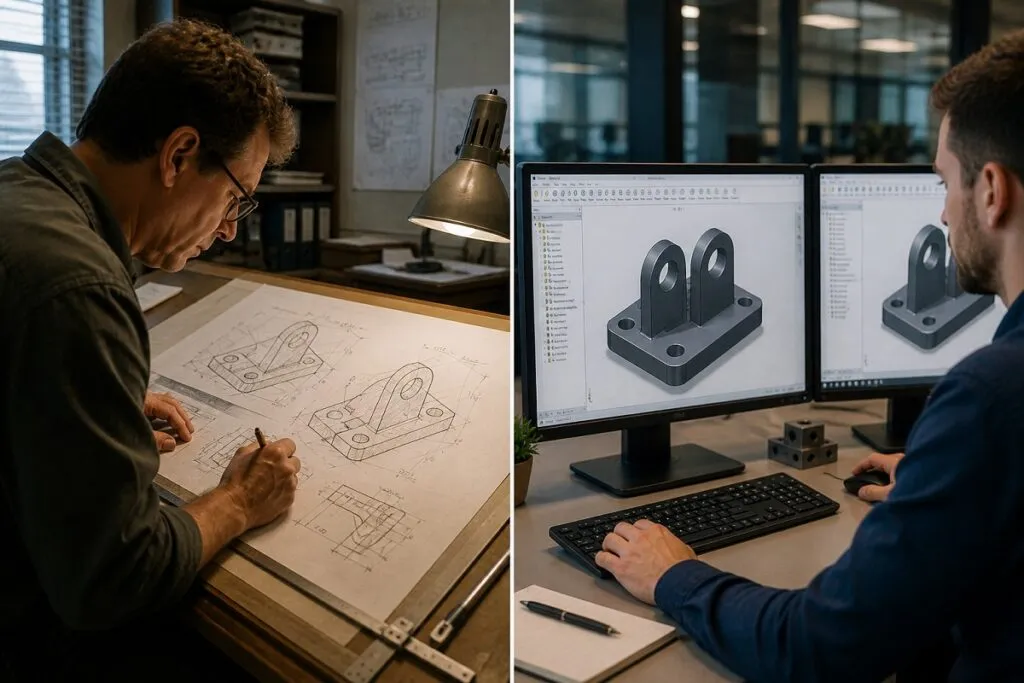
The digital transition continues to influence how organizations approach design and engineering. CAD systems are now a standard requirement in many industries, and their use extends beyond traditional roles.
Current Trends
- Increased use of cloud-based CAD platforms
- Greater emphasis on collaborative design environments
- Integration with data analytics for improved decision-making
For hiring managers and HR professionals, understanding this transition helps in identifying candidates who can contribute to modern, digitally driven workflows.
The journey from sketch to CAD represents a significant shift in how ideas are transformed into tangible outcomes. It has improved efficiency, accuracy, and collaboration while redefining the skills required in technical roles. Organizations that recognize the importance of this digital transformation are better positioned to build teams capable of meeting the demands of modern design and engineering environments.