Hire Mechanical Engineers
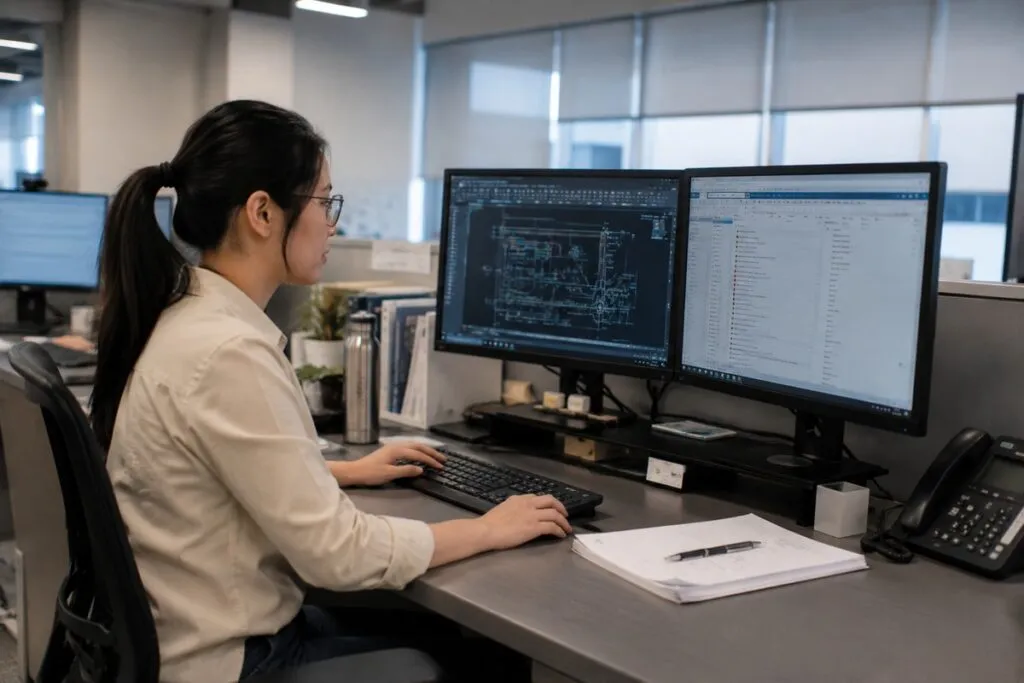
Mechanical engineering hiring rarely fails because employers misunderstand the technical requirements. It fails because organizations underestimate how mechanical engineers influence manufacturing, product development, capital projects, quality, supply chain performance, and long term operational reliability. A mechanical engineer may spend only part of the day designing components in CAD while the remainder involves resolving supplier issues, reviewing manufacturing constraints, validating test results, supporting production, participating in design reviews, managing engineering changes, or collaborating with quality and operations teams to keep projects moving.
At Tier2Tek Staffing, we recruit mechanical engineers by evaluating how candidates perform within complete engineering workflows rather than relying on software keywords or years of experience alone. Employers need engineers who understand design intent, manufacturing realities, documentation discipline, cross functional communication, and project execution. Those qualities consistently separate engineers who deliver successful projects from those who simply complete design tasks.
Why Mechanical Engineering Hiring Impacts Business Performance
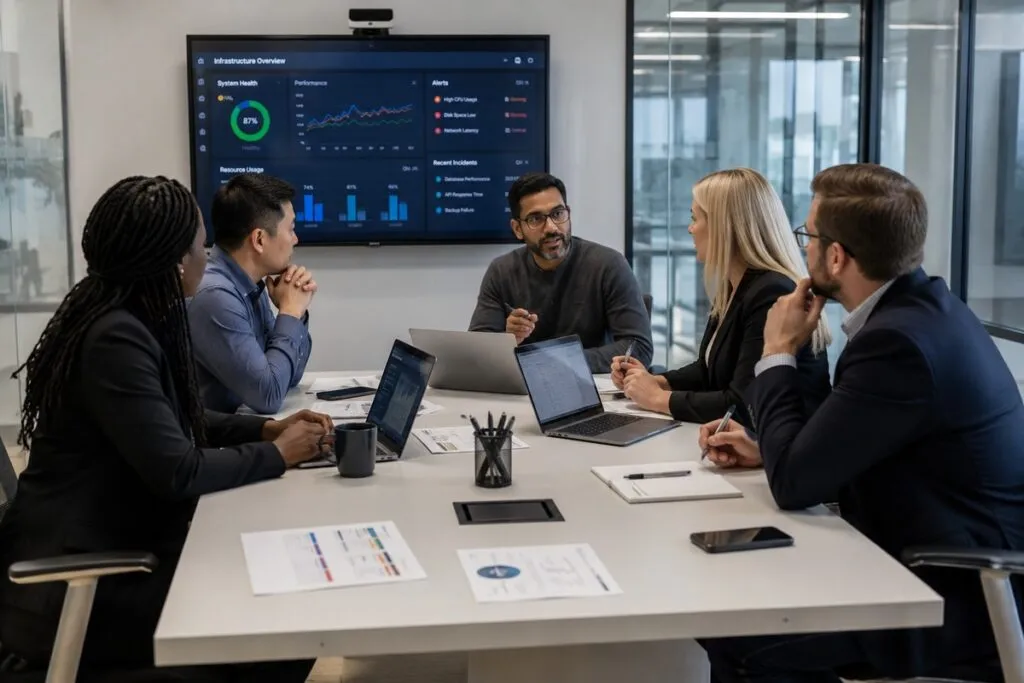
Mechanical engineers often sit at the center of multiple business functions. Their work influences production schedules, procurement decisions, manufacturing costs, product quality, maintenance requirements, supplier performance, regulatory compliance, and customer satisfaction.
An experienced engineer rarely works in isolation. Throughout a project they coordinate with:
- Manufacturing engineering
- Industrial engineering
- Electrical engineering
- Controls engineering
- Project management
- Procurement
- Quality assurance
- Supply chain
- Field service
- Operations leadership
- Production supervisors
- Vendors and suppliers
Hiring managers frequently underestimate how much organizational coordination determines project success. A technically capable engineer who struggles with documentation, communication, or engineering change management can delay multiple departments simultaneously.
Successful hiring requires evaluating operational influence alongside technical ability.
Mechanical Engineering Work Changes Throughout the Project Lifecycle
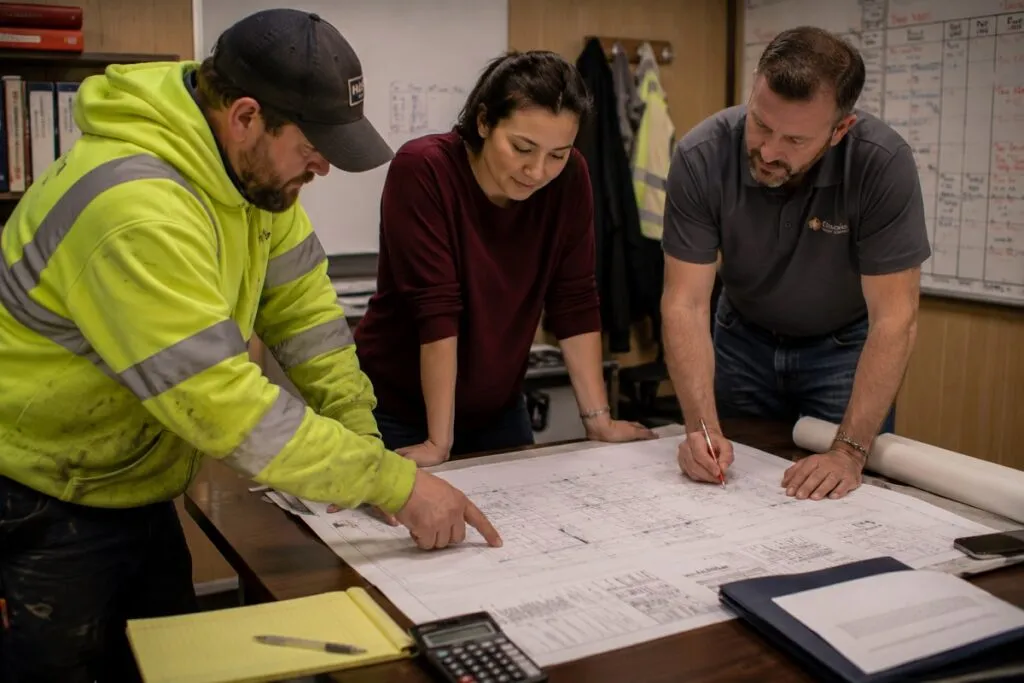
Mechanical engineering responsibilities evolve significantly as projects mature. Employers often focus interviews on design skills while overlooking execution capabilities required after drawings are released.
| Project Phase | Operational Focus | Recruiting Considerations |
|---|---|---|
| Concept Development | Requirements gathering, feasibility studies, preliminary calculations | Ability to translate business needs into engineering solutions |
| Detailed Design | CAD modeling, tolerance analysis, material selection, DFMA | Design methodology, documentation quality, engineering judgment |
| Prototype Validation | Testing, failure analysis, design revisions | Problem solving under changing conditions |
| Production Launch | Manufacturing support, supplier coordination, process optimization | Cross functional communication and issue resolution |
| Sustaining Engineering | Continuous improvement, ECO management, cost reduction | Long term ownership and operational discipline |
Engineers who excel during concept development may not perform equally well during production support. Likewise, engineers with outstanding manufacturing knowledge may not be ideal for highly innovative product development environments.
Matching candidates to the operational phase of the business often produces better long term hiring outcomes than simply matching software experience.
Engineering Software Is Only Part of the Evaluation
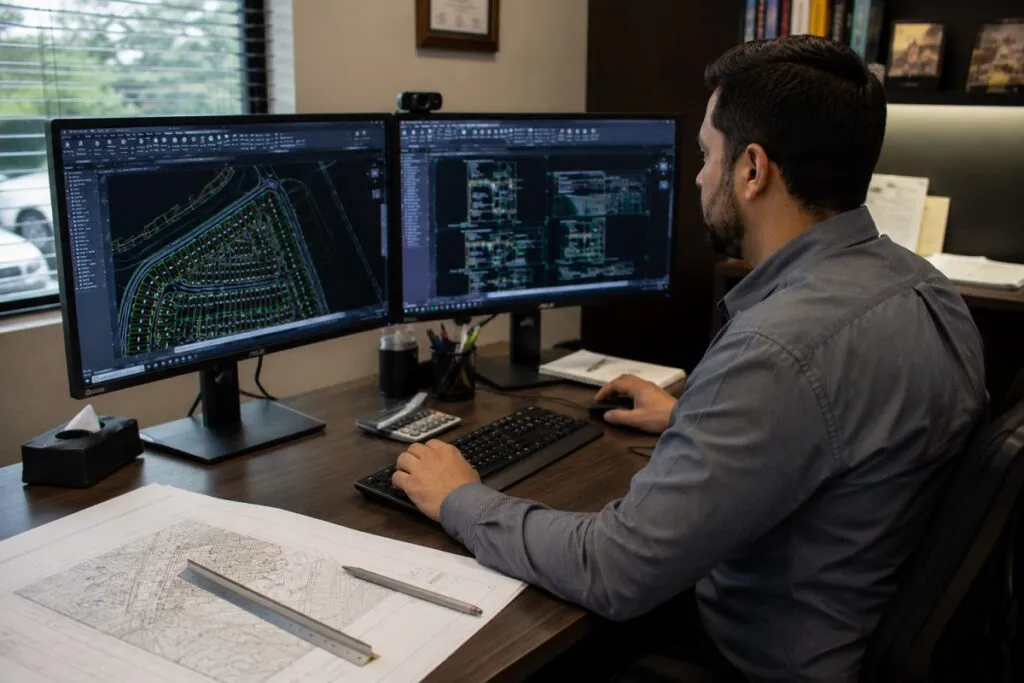
Mechanical engineering resumes frequently emphasize software proficiency. While technical tools remain important, experienced hiring managers recognize that software alone does not predict project performance.
Common platforms include:
- SolidWorks
- Autodesk Inventor
- Creo
- CATIA
- Siemens NX
- AutoCAD
- Revit
- ANSYS
- Abaqus
- MATLAB
- LabVIEW
- SAP
- Oracle ERP
- Windchill
- Teamcenter
- Arena PLM
- Microsoft Project
- Jira
- Minitab
At Tier2Tek Staffing, software experience becomes meaningful only when evaluated within actual engineering workflows.
For example, extensive SolidWorks experience carries different value depending on whether the engineer primarily designed sheet metal, precision machined components, rotating equipment, injection molded assemblies, automation equipment, consumer products, medical devices, or heavy industrial machinery.
The context behind software usage often matters more than the software itself.
Operational Bottlenecks That Strong Mechanical Engineers Prevent
Many engineering hires are made after operational problems have already developed.
Common business challenges include:
- Engineering change orders accumulating faster than they can be processed
- Manufacturing waiting for revised drawings
- Suppliers requesting constant clarification
- Production delays caused by incomplete documentation
- Excessive prototype revisions
- Long design review cycles
- Quality escapes traced to engineering assumptions
- Capital equipment installations falling behind schedule
- Repeated design modifications after production release
Experienced engineers anticipate downstream impacts before problems reach production.
Recruiters familiar with engineering organizations learn to identify candidates who naturally think several steps ahead instead of reacting after issues emerge.
This operational mindset is often more valuable than another CAD certification.
How Tier2Tek Evaluates Mechanical Engineering Candidates
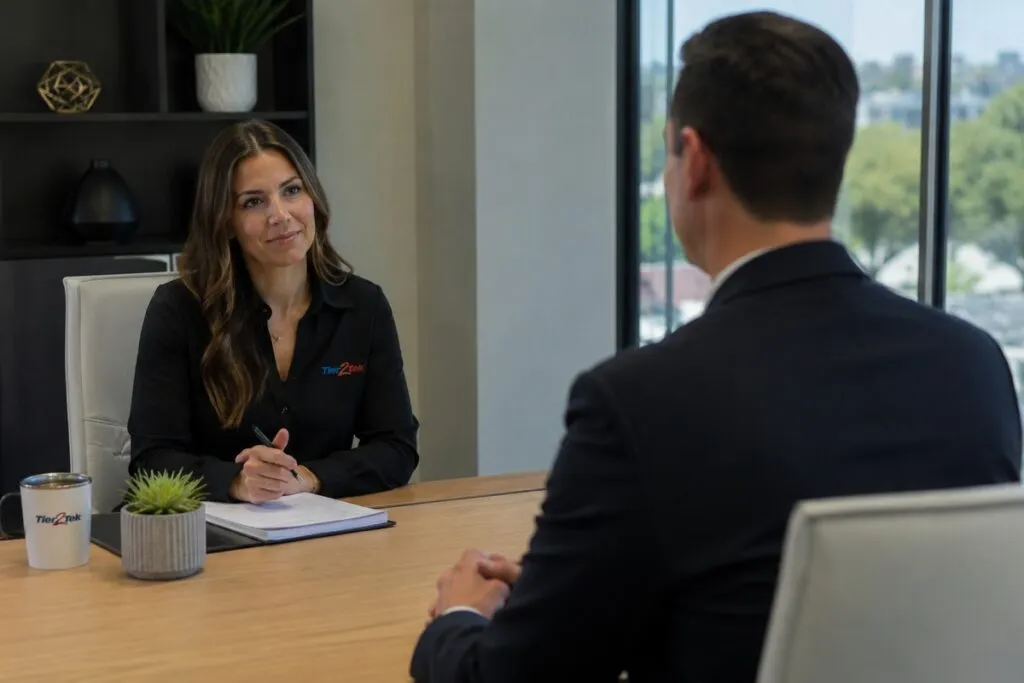
Technical recruiting requires understanding how engineering decisions affect business operations.
Rather than screening resumes for keyword density, our evaluation process explores how candidates contributed throughout previous engineering projects.
We assess areas including:
- Design ownership
- Engineering decision making
- Product lifecycle involvement
- Manufacturing collaboration
- Supplier interaction
- Design review participation
- Documentation discipline
- Failure investigations
- Engineering change management
- Validation and testing
- Root cause analysis
- Cost reduction initiatives
- Regulatory compliance
- Cross functional communication
Interview discussions frequently focus on project history rather than hypothetical technical questions.
For example:
- What manufacturing constraint forced a design change?
- How were engineering changes documented?
- What happened after prototype testing failed?
- Which department created the largest project delays?
- How were supplier issues resolved?
- What production feedback changed the final design?
Candidates with authentic project ownership consistently provide detailed process explanations rather than generalized technical descriptions.
Resume Signals That Separate Experienced Engineers from Average Candidates
One of the biggest recruiting challenges involves distinguishing engineers who truly drove projects from those who primarily supported larger teams.
Positive indicators include:
- Clear ownership of engineering decisions
- Quantified production improvements
- Product launch participation
- Design validation responsibilities
- Supplier collaboration
- Cost reduction projects
- Manufacturing process improvements
- Failure investigations
- Engineering change implementation
- Multi department project leadership
Potential concerns include:
- Long lists of software without project context
- Repeatedly describing only drafting activities
- Minimal manufacturing exposure
- No measurable project outcomes
- Generic responsibility statements
- Limited discussion of design tradeoffs
- Frequent short project durations without explanation
Strong resumes explain engineering impact rather than software usage.
Common Hiring Mistakes Employers Make

Mechanical engineering hiring often becomes overly focused on technical checklists.
Some of the most common mistakes include:
Hiring Solely for CAD Expertise
Excellent CAD operators are not automatically strong engineers.
Engineering requires judgment regarding manufacturability, tolerances, materials, cost, reliability, and product performance.
Ignoring Manufacturing Experience
Engineers disconnected from production realities frequently create designs that increase assembly complexity, supplier costs, or quality issues.
Overlooking Documentation Discipline
Engineering documentation supports purchasing, manufacturing, service, regulatory compliance, and future product revisions.
Poor documentation creates operational risk long after projects are completed.
Assuming Industry Experience Transfers Automatically
Mechanical engineering principles remain consistent across industries, but regulatory environments, product lifecycles, manufacturing methods, and customer expectations differ considerably.
Recruiting requires understanding where transferable experience genuinely exists.
Strategic Hiring Tradeoffs Employers Should Consider
Hiring decisions often involve competing priorities rather than perfect candidates.
| Hiring Priority | Potential Tradeoff |
|---|---|
| Highly innovative designer | May require stronger manufacturing support |
| Manufacturing expert | May have limited new product development experience |
| Large enterprise background | May struggle in fast moving smaller organizations |
| Startup experience | May require adaptation to formal engineering processes |
| Industry specialist | May offer less flexibility across diverse projects |
Understanding these tradeoffs helps employers prioritize candidates based on business objectives rather than idealized job descriptions.
Mechanical Engineers Support Business Continuity Beyond Design
Mechanical engineers contribute to operational stability long after initial product release.
They frequently support:
- Capacity expansion
- Equipment reliability
- Production troubleshooting
- Supplier transitions
- Obsolescence management
- Warranty investigations
- Continuous improvement
- Regulatory updates
- Cost reduction initiatives
- Capital improvement projects
Organizations that lose experienced engineers often lose years of undocumented institutional knowledge.
Hiring replacements requires evaluating knowledge transfer potential in addition to technical expertise.
Industry Environments Require Different Engineering Strengths
Mechanical engineering responsibilities vary significantly depending on industry.
Examples include:
- Aerospace
- Automotive
- Medical devices
- Industrial automation
- Heavy equipment
- Consumer products
- Energy
- Oil and gas
- Food processing
- Packaging
- Robotics
- Semiconductor manufacturing
- HVAC
- Building systems
- Defense manufacturing
A successful engineer within one industry may require adjustment when moving into another due to documentation standards, validation expectations, compliance requirements, production volumes, or supplier ecosystems.
Understanding those operational differences improves hiring accuracy.
Recruiting Observations from Engineering Interviews
After interviewing hundreds of engineering professionals, consistent patterns emerge.
Experienced engineers naturally discuss:
- Why design decisions were made
- What alternatives were considered
- Manufacturing limitations
- Customer requirements
- Supplier capabilities
- Testing failures
- Design revisions
- Risk mitigation
- Lessons learned
Less experienced candidates often focus primarily on software features, classroom concepts, or generalized engineering terminology.
One of the strongest interview indicators is whether a candidate explains engineering decisions within the broader business context instead of viewing design as an isolated activity.
That perspective typically reflects greater project ownership and operational maturity.
Our Approach to Mechanical Engineering Recruitment
Successful placements begin with understanding the engineering environment, not simply the job title.
Before beginning a search, Tier2Tek works to understand:
- Product maturity
- Manufacturing complexity
- Organizational structure
- Engineering team composition
- Reporting relationships
- Project backlog
- Design ownership expectations
- Customer requirements
- Regulatory environment
- Supplier involvement
- Growth objectives
These operational factors frequently influence hiring success more than technical keywords.
By understanding how engineering supports the business, we identify candidates who can contribute within existing workflows rather than requiring extensive adjustment after hire.
Frequently Asked Questions
Yes. We recruit engineers supporting product design, manufacturing engineering, sustaining engineering, capital equipment, automation, industrial systems, and production environments.
We explore project ownership, engineering decisions, design reviews, manufacturing collaboration, testing experience, documentation practices, engineering change management, and measurable business outcomes.
Yes. We regularly recruit professionals with experience in SolidWorks, Creo, CATIA, Siemens NX, Inventor, AutoCAD, Revit, ANSYS, MATLAB, and other engineering platforms while evaluating how those tools were applied in real projects.
Mechanical engineering hiring requires understanding manufacturing workflows, engineering documentation, supplier relationships, product lifecycles, validation processes, and cross functional coordination. Evaluating technical ability without this operational context often leads to poor hiring decisions.
Yes. We recruit individual contributors, senior engineers, project engineers, engineering managers, design managers, and mechanical engineering leaders across a variety of industries.
Our Editorial Standards and Recruiting Perspective
This page is written from the perspective of technical recruiters who regularly evaluate mechanical engineering professionals and hiring environments. Our content reflects practical recruiting observations, engineering workflow knowledge, interview evaluation methods, and operational hiring considerations gathered through direct recruiting experience. We update our recruiting insights to reflect evolving engineering practices, manufacturing technologies, and employer expectations.
Request Mechanical Engineering Staffing
Whether you are replacing a key engineer, expanding your design team, or building engineering leadership, Tier2Tek focuses on identifying professionals who fit your technical requirements and your operational environment. Contact Tier2Tek to discuss your mechanical engineering hiring needs with an experienced technical recruiting team.