
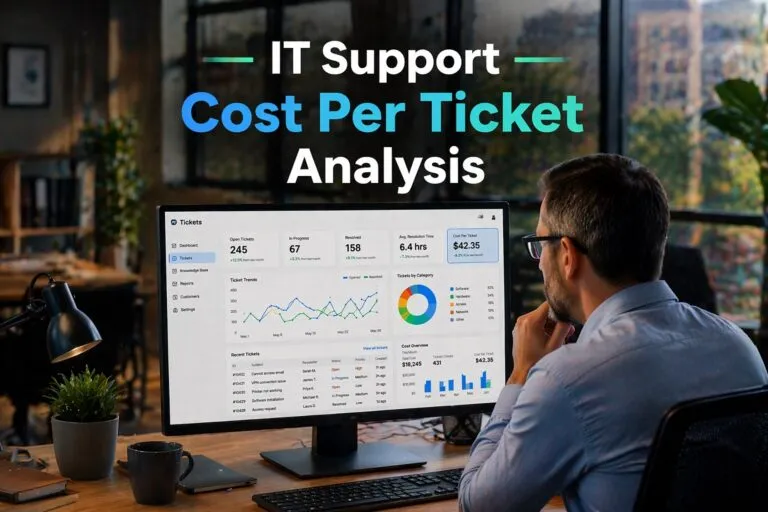
IT Support Cost per Ticket Analysis
IT Support Cost per Ticket Analysis is a critical metric for organizations aiming to control IT spending while maintaining high service quality. It provides a clear view into how efficiently IT support teams resolve issues and where resources are being allocated. For hiring managers and HR professionals, understanding this metric helps align staffing decisions, optimize team performance, and justify technology investments.
By analyzing cost per ticket, organizations can identify inefficiencies, benchmark performance, and make data-driven decisions that directly impact operational budgets and employee productivity.
Key Components of Cost per Ticket

Cost per ticket is not a single data point but a combination of several cost factors. Each component contributes to the overall expense of resolving a support request.
Labor Costs
Labor is typically the largest contributor to IT support costs. This includes salaries, benefits, and overhead associated with support staff.
- Help desk technicians
- Tier 2 and Tier 3 support engineers
- IT managers and supervisors
- Training and onboarding expenses
Higher labor costs can increase cost per ticket, especially if tickets require escalation or extended resolution times.
Technology and Tools
IT support relies heavily on software and infrastructure.
- Ticketing systems and help desk platforms
- Remote support tools
- Monitoring and automation software
- Knowledge base systems
Investments in tools can initially increase costs but often reduce long-term cost per ticket through efficiency gains.
Operational Overhead
Operational expenses include indirect costs required to maintain support operations.
- Office space and utilities
- Hardware and equipment
- Administrative support
- Vendor contracts
These costs are often overlooked but significantly impact total cost per ticket.
Factors That Influence IT Support Cost per Ticket

Several variables affect how much each ticket costs to resolve. Understanding these factors helps organizations identify opportunities for cost optimization.
Ticket Complexity
Simple issues such as password resets cost far less than complex infrastructure problems.
- Low complexity tickets require minimal time and expertise
- High complexity tickets often involve multiple teams and longer resolution times
A higher proportion of complex tickets increases the average cost per ticket.
Ticket Volume
Volume plays a major role in cost efficiency.
- High ticket volume can reduce cost per ticket through economies of scale
- Low volume environments may have higher costs due to underutilized staff
Balancing staffing levels with ticket demand is essential for cost control.
Resolution Time
The longer a ticket remains open, the more resources it consumes.
- Faster resolution reduces labor costs
- Delays increase costs due to repeated handling and follow-ups
Improving first contact resolution can significantly lower cost per ticket.
Support Channel Mix
Different support channels have varying cost implications.
- Self-service portals are the most cost-effective
- Chat and email are moderate in cost
- Phone support is typically the most expensive
Encouraging users to adopt lower-cost channels can reduce overall expenses.
Benchmarking Cost per Ticket

Benchmarking helps organizations understand how their IT support costs compare to industry standards.
Industry Averages
Cost per ticket varies widely depending on organization size and complexity.
- Small businesses: $15 to $40 per ticket
- Mid-sized organizations: $25 to $70 per ticket
- Large enterprises: $50 to $150+ per ticket
These ranges provide a baseline for evaluating performance.
Internal Benchmarking
Comparing performance across departments or time periods can reveal trends.
- Monthly or quarterly comparisons
- Department-specific cost analysis
- Cost variations by ticket type
Internal benchmarking is often more actionable than external comparisons.
Strategies to Reduce IT Support Cost per Ticket
Reducing cost per ticket does not mean sacrificing service quality. The goal is to improve efficiency while maintaining or enhancing user satisfaction.
Improve First Contact Resolution
Resolving issues on the first interaction minimizes resource usage.
- Train staff on common issues
- Provide access to comprehensive knowledge bases
- Empower frontline support teams
Higher first contact resolution rates directly lower costs.
Invest in Automation
Automation reduces manual effort and speeds up resolution.
- Automated ticket routing
- AI-driven chatbots
- Self-service password reset tools
Automation can significantly reduce labor costs over time.
Enhance Self-Service Options
Encouraging users to solve their own issues reduces ticket volume.
- Knowledge base articles
- FAQs and troubleshooting guides
- User training programs
A strong self-service strategy lowers the number of incoming tickets.
Optimize Staffing Levels
Proper staffing ensures resources are neither overused nor underutilized.
- Align staffing with peak demand periods
- Use data to forecast ticket volume
- Avoid overstaffing during low-demand periods
Efficient staffing directly impacts cost per ticket.
Data and Reporting in Cost Analysis
Accurate data is essential for meaningful IT support cost per ticket analysis.
Key Metrics to Track
Tracking the right metrics provides actionable insights.
- Average cost per ticket
- Average resolution time
- First contact resolution rate
- Ticket backlog
These metrics help identify inefficiencies and improvement opportunities.
Reporting Tools
Modern IT service management platforms offer robust reporting capabilities.
- Real-time dashboards
- Customizable reports
- Trend analysis tools
Using these tools allows organizations to make informed decisions quickly.
Impact on Hiring and Workforce Planning

For hiring managers and HR professionals, cost per ticket analysis plays a vital role in workforce strategy.
Staffing Decisions
Understanding cost drivers helps determine hiring needs.
- Identify gaps in skill sets
- Determine optimal team size
- Balance junior and senior staff ratios
Data-driven hiring ensures efficient resource allocation.
Training and Development
Investing in employee skills can reduce long-term costs.
- Upskilling support staff
- Cross-training team members
- Improving technical expertise
Well-trained employees resolve tickets faster and more efficiently.
Performance Management
Cost per ticket can be used as a performance indicator.
- Evaluate team efficiency
- Identify high-performing employees
- Set realistic performance benchmarks
This supports fair and objective performance evaluations.
Common Challenges in Cost per Ticket Analysis

Organizations often face obstacles when analyzing and optimizing this metric.
Incomplete Data
Missing or inaccurate data can lead to incorrect conclusions.
- Inconsistent ticket categorization
- Lack of time tracking
- Poor documentation
Ensuring data accuracy is critical for reliable analysis.
Overemphasis on Cost Reduction
Focusing solely on reducing costs can negatively impact service quality.
- Increased resolution times
- Lower user satisfaction
- Higher employee burnout
A balanced approach is essential.
Lack of Standardization
Without standardized processes, comparisons become difficult.
- Different teams using different workflows
- Inconsistent reporting methods
- Varying definitions of ticket types
Standardization improves clarity and consistency.
Leveraging External Resources
Organizations can benefit from external expertise and tools when analyzing IT support costs.
For example, platforms like Gartner IT research provide industry benchmarks and insights that help organizations evaluate their performance against peers.
Similarly, resources from ServiceNow offer guidance on optimizing IT service management processes and reducing operational costs.
Aligning Cost per Ticket with Business Goals
Cost per ticket should not be viewed in isolation. It must align with broader organizational objectives.
Balancing Cost and Quality
Reducing costs should not compromise user experience.
- Maintain service level agreements
- Monitor user satisfaction scores
- Ensure timely issue resolution
A balanced approach ensures sustainable improvements.
Supporting Organizational Growth
As organizations grow, support demands increase.
- Scale support teams efficiently
- Implement scalable technologies
- Continuously evaluate cost structures
Proper alignment ensures IT support can meet evolving business needs.
IT Support Cost per Ticket Analysis provides a clear framework for improving efficiency, controlling expenses, and making informed workforce decisions. By focusing on data, optimizing processes, and aligning support operations with business goals, organizations can achieve a more cost-effective and high-performing IT support environment.
Content reviewed and published by Tier2Tek Staffing Editorial Team .