Hire Experienced Rodmen Who Keep Survey Projects Moving
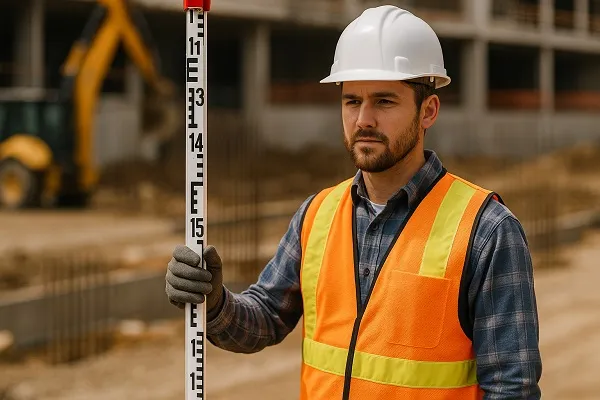
Survey projects rarely fail because of sophisticated equipment. They fail when field execution breaks down. An experienced Rodman provides the foundation that allows survey crews to collect accurate data safely, efficiently, and consistently across changing terrain, weather conditions, and project demands. While many employers view the position as an entry-level field role, experienced engineering firms, surveying companies, transportation contractors, utility providers, and land development organizations understand that dependable Rodmen directly influence crew productivity, data quality, schedule reliability, and overall project profitability.
Tier2Tek Staffing recruits Rodmen for organizations where field operations support engineering, construction, infrastructure, utility, transportation, environmental, energy, and land development projects. We evaluate candidates based on their ability to contribute within active survey operations, adapt to demanding field conditions, support licensed surveyors, and maintain productivity without compromising safety or measurement accuracy.
Understanding the Operational Reality of Modern Survey Crews
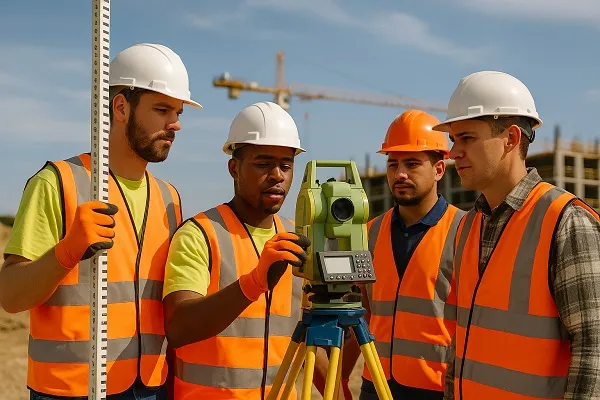
Survey work today extends well beyond placing a survey rod. Modern Rodmen work alongside Party Chiefs, Instrument Operators, Professional Land Surveyors, civil engineers, CAD technicians, and construction managers within projects that often involve multiple contractors, permitting agencies, inspectors, and utility owners.
Employers frequently need Rodmen who can contribute across environments such as:
- Highway expansion projects
- Commercial site development
- Residential subdivisions
- Renewable energy facilities
- Pipeline construction
- Utility corridor mapping
- Municipal infrastructure improvements
- Airport expansion
- Mining operations
- Environmental restoration projects
- Industrial manufacturing facilities
- Transmission line construction
Each environment presents unique operational challenges including traffic control, environmental restrictions, property access limitations, active construction hazards, difficult terrain, and changing weather conditions. Successful Rodmen understand how these realities affect survey productivity rather than simply following directions.
Recruiting for these environments requires understanding the daily operational pressures survey crews experience, not simply matching resumes to job descriptions.
Where Rodmen Impact the Project Lifecycle
Survey crews influence nearly every phase of capital projects. Staffing decisions should reflect where the Rodman contributes throughout the lifecycle.
| Project Phase | Rodman Contribution | Business Impact |
|---|---|---|
| Boundary & Control Surveys | Assists with monument recovery, control setup, field measurements | Accurate project foundation |
| Design Survey | Supports topographic data collection | Reliable engineering design |
| Preconstruction Layout | Assists staking operations | Reduces contractor delays |
| Construction Survey | Maintains layout accuracy throughout construction | Minimizes costly rework |
| Utility Verification | Supports underground utility location and documentation | Lowers excavation risk |
| As-Built Documentation | Assists final field verification | Improves project closeout accuracy |
Employers often underestimate how field staffing continuity influences downstream engineering workflows. Delays during survey collection affect CAD production, engineering design schedules, permitting, contractor mobilization, inspection activities, and client deliverables.
Experienced recruiting recognizes these workflow dependencies before hiring begins.
Operational Environments Demand More Than Physical Endurance
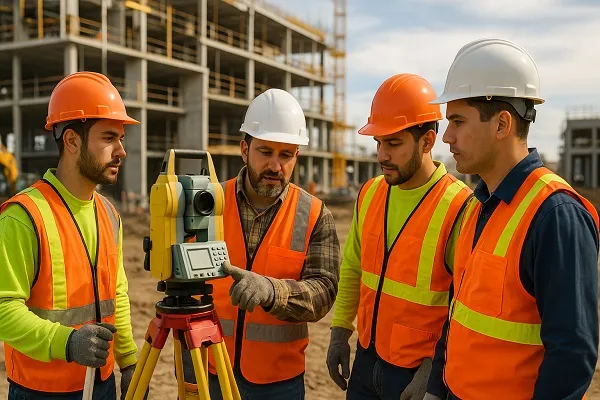
The strongest Rodmen combine physical capability with situational awareness. Survey projects rarely occur under ideal conditions.
Operational environments frequently include:
- Heavy highway traffic
- Active construction sites
- Confacted industrial facilities
- Remote terrain
- Dense vegetation
- Wetlands
- Mountainous regions
- Utility corridors
- Rail crossings
- Airports
- Manufacturing plants
- Chemical facilities
Field personnel must continuously balance productivity with safety while maintaining communication with instrument operators and party chiefs.
Candidates who only discuss physical labor during interviews often lack appreciation for maintaining measurement accuracy under operational pressure.
Tier2Tek evaluates whether candidates understand the practical realities of working within active infrastructure projects where changing site conditions require constant adaptation.
Regulatory and Compliance Considerations Employers Cannot Ignore
Survey operations intersect with numerous regulatory requirements depending on industry and project location.
Common compliance considerations include:
- OSHA construction safety standards
- Utility locate requirements
- Right-of-way access procedures
- DOT traffic control regulations
- Environmental protection requirements
- Stormwater compliance
- PPE requirements
- Site-specific contractor safety programs
- Railroad safety training
- MSHA requirements for mining environments
- Client-specific safety certifications
While Rodmen are rarely compliance specialists, experienced field professionals understand how these requirements affect daily work planning.
Recruiters unfamiliar with surveying frequently overlook candidates who possess valuable experience working within regulated project environments.
Tier2Tek intentionally explores these experiences during candidate evaluations because operational readiness often proves more valuable than years of experience alone.
Technology Has Changed the Modern Rodman Role
Today’s survey crews increasingly rely on integrated technology platforms.
Experienced candidates commonly work with:
- Total Stations
- Robotic Total Stations
- GNSS/GPS receivers
- RTK surveying systems
- Data collectors
- Leica equipment
- Trimble systems
- Topcon platforms
- Carlson Survey
- AutoCAD Civil 3D
- MicroStation
- GIS platforms
- Drone-supported survey workflows
- Digital field notes
- Electronic stakeout systems
Tier2Tek evaluates whether candidates merely recognize equipment names or have practical field experience supporting crews using these technologies.
Employers frequently discover significant productivity differences between candidates who have actively participated in modern survey workflows versus those whose experience remains limited to traditional methods.
Recruiting Observations That Separate Strong Rodmen from Average Candidates
Years of recruiting engineering and field operations professionals reveal patterns that resumes rarely communicate.
Strong candidates typically demonstrate:
- Consistent attendance history
- Comfort working outdoors year-round
- Awareness of survey terminology
- Ability to anticipate Party Chief needs
- Safe equipment handling
- Strong communication across crews
- Respect for documentation accuracy
- Flexibility across changing project assignments
- Willingness to travel when projects require it
- Appreciation for maintaining field productivity
Average candidates often describe only physical labor while struggling to explain:
- Why control points matter
- Basic survey workflow
- Equipment care
- Field documentation
- Construction coordination
- Crew communication
- Schedule management
These interview observations frequently predict long-term success more accurately than resume length alone.
Hiring Mistakes That Create Expensive Field Problems
Many organizations unintentionally create avoidable turnover by emphasizing labor availability over operational fit.
Common hiring mistakes include:
- Assuming any construction laborer can transition into surveying
- Ignoring transportation reliability
- Underestimating weather tolerance
- Overlooking communication skills
- Hiring candidates unfamiliar with early morning field schedules
- Failing to assess safety awareness
- Prioritizing availability instead of learning potential
- Ignoring project travel expectations during interviews
These mistakes rarely become visible during onboarding. They emerge after crews begin missing production targets or when experienced Party Chiefs spend excessive time supervising basic field tasks instead of collecting data.
Experienced recruiters recognize these risks before candidates reach the client interview stage.
Workflow Dependencies Employers Often Overlook
Survey operations influence numerous downstream business functions.
| Survey Activity | Dependent Teams | Risk if Staffing Fails |
|---|---|---|
| Field Data Collection | CAD Designers | Delayed drafting |
| Boundary Verification | Civil Engineers | Design revisions |
| Construction Layout | Contractors | Schedule disruption |
| Utility Surveys | Utility Owners | Excavation conflicts |
| As-Built Surveys | Owners & Inspectors | Project closeout delays |
A vacancy on one survey crew can ripple across engineering schedules, contractor mobilization, inspection timelines, permitting activities, and client milestones.
This is why experienced employers prioritize dependable staffing rather than simply filling open positions quickly.
Business Continuity Requires Stable Survey Staffing
Infrastructure projects often operate under strict contractual milestones.
Unexpected turnover among survey personnel can affect:
- Contractor sequencing
- Engineering deliverables
- Permit schedules
- Utility coordination
- Material deliveries
- Inspection timelines
- Client confidence
- Revenue recognition
- Overtime costs
Organizations that maintain stable survey teams experience fewer schedule disruptions and stronger coordination across engineering, construction, and owner stakeholders.
Tier2Tek evaluates long-term employment patterns, field commitment, attendance history, and project consistency because these factors often predict operational reliability better than technical keywords alone.
Strategic Staffing Decisions Depend on Business Priorities
Every employer values different characteristics depending on project demands.
Some organizations prioritize:
- Rapid onboarding
- Local market familiarity
- DOT experience
- Utility corridor knowledge
- Heavy civil construction exposure
- Renewable energy projects
- Boundary surveying
- Construction staking
- Travel flexibility
- Seasonal workforce scalability
Other employers invest more heavily in candidates capable of growing into Instrument Operator or Party Chief positions.
Understanding these strategic differences allows recruiting efforts to align with business objectives rather than generic hiring metrics.
How Tier2Tek Evaluates Rodman Candidates
Tier2Tek approaches Rodman recruiting with an operational mindset.
Candidate evaluations typically explore:
- Field project experience
- Types of surveying performed
- Equipment familiarity
- Terrain exposure
- Construction coordination
- Safety participation
- Communication style
- Attendance consistency
- Physical readiness
- Schedule flexibility
- Travel availability
- Career progression goals
Beyond technical discussions, we examine whether candidates understand how their daily work affects engineering accuracy, contractor productivity, and project schedules.
This practical evaluation helps employers identify candidates who contribute immediately instead of requiring extensive operational adjustment after hire.
Why Employers Partner with Tier2Tek for Rodman Recruitment
Recruiting survey professionals requires understanding far more than titles.
We recognize distinctions between candidates whose experience centers on:
- Boundary surveys versus construction layout
- Heavy civil versus residential development
- Utility mapping versus transportation infrastructure
- Manual equipment versus robotic systems
- Short-term projects versus long-duration capital programs
These distinctions influence onboarding time, field productivity, and long-term retention.
Our recruiting process reflects the operational realities engineering firms, survey companies, utilities, contractors, and infrastructure organizations encounter every day.
Frequently Asked Questions
Yes. We regularly evaluate field professionals with transportation, utility, municipal, heavy civil, and infrastructure project backgrounds where regulatory compliance and field coordination are essential.
We review project history, equipment exposure, attendance patterns, safety awareness, communication skills, schedule flexibility, and the candidate’s understanding of survey workflows rather than relying solely on resume keywords.
Yes. When required, we assess practical experience with GNSS equipment, robotic total stations, Trimble, Leica, Topcon, Carlson Survey, Civil 3D, and related field technologies.
Candidates who demonstrate reliability, strong communication, safety awareness, adaptability, and an understanding of how survey work affects engineering and construction teams generally perform better over the long term than candidates selected primarily for availability.
Our Editorial Standards and Recruiting Expertise
This content is reviewed using Tier2Tek’s recruiting methodology, informed by real employer hiring conversations, candidate evaluations, interview observations, and workforce trends across engineering, construction, surveying, infrastructure, and technical staffing. Our goal is to provide practical hiring guidance that reflects operational realities instead of generic staffing advice.
Request Rodman Staffing Support
Whether you need a single dependable Rodman or an entire field survey crew, Tier2Tek delivers candidates evaluated for operational readiness, safety awareness, and long-term project success. Contact Tier2Tek to discuss your staffing needs and build a stronger survey team with confidence.