Instrument Man Staffing for High-Accuracy Survey Operations
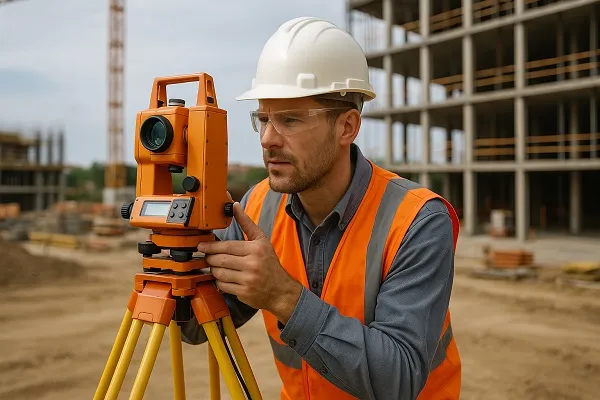
Successful survey projects rarely fail because of equipment alone. They fail when field crews lose productivity through poor coordination, inconsistent measurements, inadequate documentation, or communication breakdowns between the Instrument Man, Party Chief, engineering teams, and construction stakeholders. Hiring managers understand that replacing an Instrument Man is not simply filling another field position. It is protecting schedules, controlling rework costs, maintaining survey accuracy, and preserving confidence in downstream engineering decisions.
Tier2Tek Staffing recruits Instrument Men for civil engineering firms, transportation projects, industrial construction, utilities, energy infrastructure, land development, environmental consulting, and heavy industrial operations. Our recruiters evaluate candidates based on how they perform within real project workflows, not simply whether they have operated a total station or GPS rover. We look beyond equipment familiarity to understand how candidates contribute to productivity, accuracy, safety, documentation quality, and crew efficiency across demanding field environments.
Where Instrument Men Create Operational Value
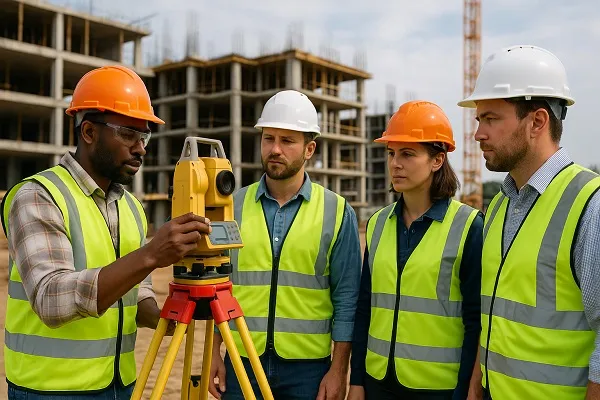
Instrument Men support projects where precision directly affects engineering, construction sequencing, regulatory compliance, and financial outcomes. Their work establishes the field data that engineers, designers, contractors, inspectors, and owners depend upon throughout the project lifecycle.
Common environments include:
- Highway and DOT construction
- Commercial site development
- Heavy civil infrastructure
- Utility corridor expansion
- Pipeline construction
- Renewable energy developments
- Industrial manufacturing facilities
- Mining operations
- Water and wastewater infrastructure
- Airports and transportation systems
- Rail construction
- Municipal capital improvement projects
Each environment introduces different operational constraints. Survey crews working on active interstate projects manage traffic control requirements and compressed lane closure windows. Utility expansion projects require constant coordination with locators and excavation contractors. Industrial facilities often require security clearances, confined space awareness, permit systems, and coordination around active production operations.
Employers hiring experienced Instrument Men recognize that field productivity depends as much on understanding operational environments as technical surveying skills.
Instrument Men Support Every Phase of Project Delivery
Survey activities influence nearly every stage of construction and engineering.
| Project Phase | Instrument Man Responsibilities | Business Impact |
|---|---|---|
| Preconstruction | Boundary surveys, control establishment, topographic surveys | Accurate design begins with reliable field data |
| Engineering Design | Supporting existing condition verification | Reduces design assumptions and redesign risk |
| Construction Layout | Stakeout, grade verification, utility layout | Prevents installation errors and costly rework |
| Quality Assurance | As-built surveys, dimensional verification | Supports owner acceptance and regulatory compliance |
| Project Closeout | Final documentation and record surveys | Protects future maintenance and asset management |
Experienced employers understand that survey errors compound over time. A small control error during early project stages can affect structural steel, utilities, paving, drainage, and final inspections months later.
This is one reason Tier2Tek carefully evaluates candidates’ understanding of survey control, verification procedures, and field quality practices instead of focusing only on years of experience.
Operational Environments Demand More Than Equipment Knowledge
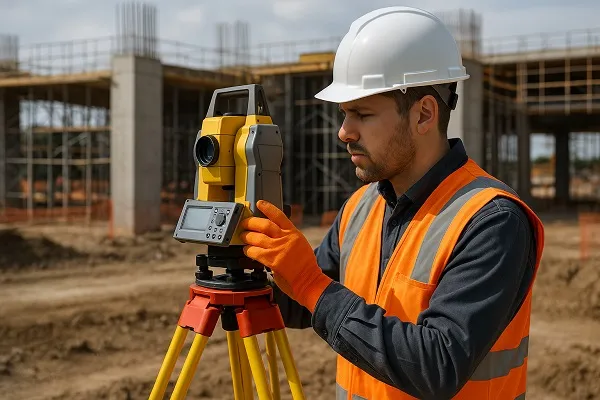
Generic resumes frequently emphasize equipment brands. Experienced hiring managers know equipment can be taught far more easily than field judgment.
Instrument Men routinely work with technologies including:
- Leica total stations
- Trimble robotic total stations
- Topcon survey systems
- GNSS RTK receivers
- Data collectors
- Carlson Survey
- Trimble Business Center
- AutoCAD Civil 3D
- MicroStation
- GIS platforms
- Drone survey integration
- Digital terrain modeling software
- Machine control support systems
The stronger candidates understand why measurements matter rather than simply collecting them.
During interviews, Tier2Tek recruiters explore scenarios involving:
- Recovering damaged control points
- Verifying questionable benchmarks
- Working around active excavation
- Managing changing weather conditions
- Identifying instrument calibration concerns
- Communicating discrepancies before construction proceeds
- Coordinating with engineering revisions
- Maintaining survey documentation under schedule pressure
These discussions often reveal practical experience that never appears on resumes.
Compliance Requirements Shape Field Performance
Construction surveying intersects with multiple regulatory and contractual obligations.
Depending on the project, Instrument Men may work within:
- OSHA construction safety regulations
- DOT project specifications
- State transportation survey standards
- FAA airport construction requirements
- Utility owner specifications
- Municipal engineering standards
- Environmental permitting requirements
- MSHA requirements for mining operations
- Army Corps of Engineers projects
- Quality management systems supporting ISO standards
Compliance is rarely limited to safety training.
Survey documentation frequently becomes part of permanent project records. Inaccurate field notes, incomplete electronic files, undocumented control adjustments, or inconsistent coordinate management may delay inspections, create contractual disputes, or require expensive field verification.
Tier2Tek discusses documentation practices with candidates because employers increasingly depend on accurate digital project records throughout the asset lifecycle.
Workflow Dependencies Often Determine Project Success
Instrument Men rarely work independently.
Their performance directly affects:
- Party Chiefs
- Licensed Surveyors
- Civil Engineers
- Construction Superintendents
- Project Engineers
- CAD Technicians
- Utility Coordinators
- Quality Inspectors
- Structural Engineers
- Excavation Contractors
A delayed survey crew frequently delays multiple downstream trades.
For example, concrete crews cannot establish forms until layout is complete. Structural steel installation depends on verified anchor bolt locations. Underground utility installation relies on accurate staking before excavation begins.
Employers frequently underestimate how communication skills influence survey productivity. Experienced Instrument Men proactively identify discrepancies before they become schedule disruptions.
Recruiters who regularly place survey professionals recognize these communication habits during technical interviews.
Common Hiring Mistakes Employers Make

Hiring decisions sometimes focus too heavily on equipment familiarity.
Some of the most common recruiting mistakes include:
- Assuming every GPS operator understands survey control
- Overvaluing years of experience without evaluating project complexity
- Ignoring documentation habits
- Hiring candidates with little exposure to active construction coordination
- Failing to verify adaptability across multiple survey platforms
- Assuming all Instrument Men possess comparable safety awareness
- Overlooking communication skills within field crews
These mistakes often appear only after projects experience delays, inaccurate layouts, or repeated field corrections.
Tier2Tek evaluates operational experience instead of relying solely on resume keywords.
Resume Signals That Separate Experienced Instrument Men
Experienced recruiters quickly notice meaningful differences between resumes.
Positive indicators include:
- Long-term participation on complex infrastructure projects
- Experience supporting multiple survey disciplines
- Exposure to DOT or industrial construction
- Progression into increasing technical responsibility
- Experience with both conventional and GPS surveying
- Consistent project durations rather than frequent unexplained moves
- References to survey control, as-built documentation, and quality verification
Potential concerns include:
- Repeated short assignments without explanation
- Heavy emphasis on equipment but limited project descriptions
- Minimal discussion of survey control
- No documentation responsibilities
- Generic descriptions copied across multiple employers
- Limited exposure to multidisciplinary project teams
Strong resumes explain how survey work supported successful project delivery rather than simply listing instruments operated.
How Tier2Tek Evaluates Instrument Man Candidates
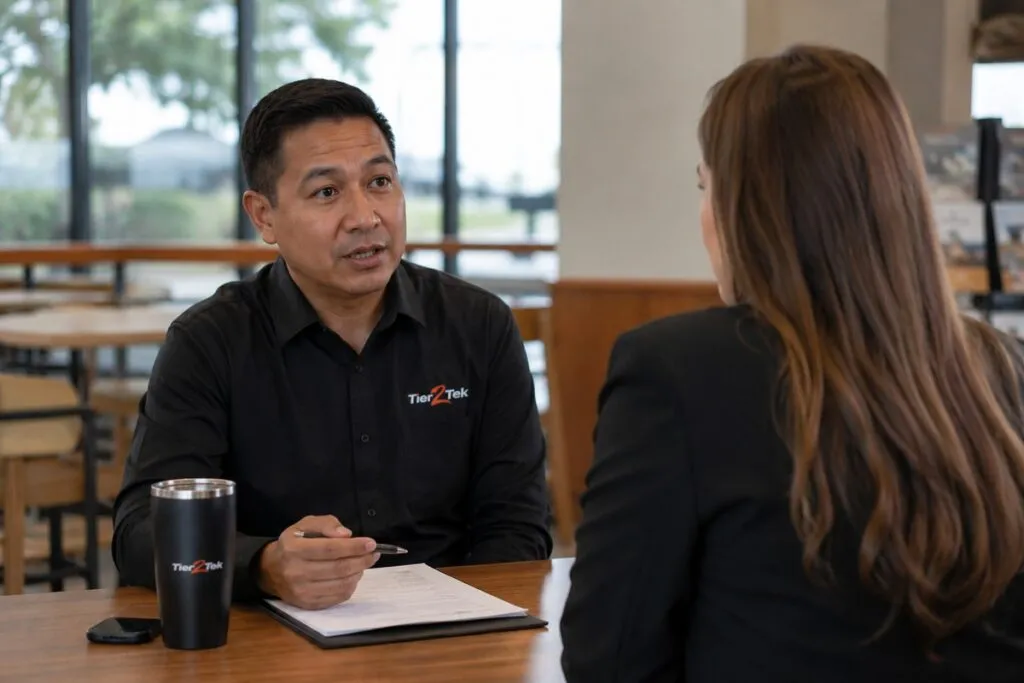
Technical recruiting requires understanding how field crews actually operate.
Our evaluation process typically explores:
Technical Competency
- Survey control understanding
- Layout procedures
- Equipment setup
- Error detection
- Coordinate systems
- Data collection practices
Operational Judgment
- Managing changing field conditions
- Prioritizing survey requests
- Coordinating multiple contractors
- Protecting measurement accuracy under schedule pressure
- Responding to unexpected site conditions
Team Integration
- Communication with Party Chiefs
- Collaboration with engineers
- Documentation quality
- Adaptability across project environments
- Professionalism on active jobsites
Rather than relying on checklist interviews, our recruiters discuss actual project situations that experienced Instrument Men recognize immediately. These conversations often distinguish candidates who merely assisted with survey work from those who consistently improved crew performance.
Staffing Considerations Across Different Industries
| Industry | Hiring Consideration | Evaluation Focus |
|---|---|---|
| Heavy Civil | Large control networks | Infrastructure project experience |
| Oil and Gas | Remote field operations | Independence and safety compliance |
| Utilities | Congested underground environments | Utility coordination experience |
| Commercial Development | Fast schedules | Productivity under compressed timelines |
| Transportation | DOT specifications | Public infrastructure familiarity |
| Industrial Manufacturing | Active facilities | Working safely around operations |
Employers benefit when recruiters understand how these operational differences influence candidate success.
For example, an Instrument Man successful on residential subdivision work may require significant adjustment before supporting refinery expansions or interstate reconstruction projects.
Business Continuity Depends on Reliable Survey Staffing
Survey staffing gaps often create consequences that extend well beyond one department.
Delayed layout activities may affect:
- Equipment mobilization
- Concrete placement schedules
- Utility installation
- Inspection timelines
- Engineering revisions
- Owner reporting
- Contractor productivity
- Budget forecasting
Organizations with multiple concurrent projects also face resource allocation challenges.
Experienced Instrument Men capable of transitioning between projects help maintain continuity when schedules change unexpectedly.
Tier2Tek frequently discusses travel expectations, project durations, overtime availability, weather exposure, and schedule flexibility before presenting candidates. Addressing these operational realities early reduces turnover after hiring.
Strategic Staffing Decisions Influence Long-Term Performance
Many employers debate whether to prioritize highly experienced Instrument Men or candidates with stronger long-term development potential.
The answer depends on project conditions.
Complex industrial expansions often require candidates capable of contributing immediately with minimal supervision.
Growing engineering firms may benefit from technically strong candidates who can develop alongside experienced Party Chiefs.
Our recruiters help employers evaluate these tradeoffs by examining project complexity, internal mentoring capacity, schedule risk, and future staffing plans rather than applying a one-size-fits-all hiring approach.
Frequently Asked Questions
Heavy civil construction, transportation, utilities, energy, land development, environmental consulting, industrial construction, mining, municipal infrastructure, and engineering consulting firms consistently require experienced survey professionals.
Experienced professionals understand survey control, field verification, documentation standards, communication with construction teams, and how survey accuracy affects downstream project execution.
Many experienced candidates have worked with Leica, Trimble, Topcon, GNSS systems, Carlson Survey, Trimble Business Center, AutoCAD Civil 3D, GIS software, and electronic data collection platforms. Required experience varies by project type.
Survey records frequently become part of permanent project documentation. Poor documentation can delay inspections, complicate dispute resolution, and increase project risk long after field work is complete.
We evaluate project experience, technical discussions, workflow understanding, communication habits, documentation quality, safety awareness, and operational judgment through recruiter-led interviews focused on real field scenarios instead of generic screening questions.
Why Employers Trust Tier2Tek’s Recruiting Perspective
Tier2Tek’s recruiting content is developed from technical recruiting experience, conversations with engineering leaders, hiring managers, field supervisors, and survey professionals across industrial and infrastructure sectors. Our editorial approach emphasizes operational accuracy, practical hiring insight, and evolving industry practices rather than generic job descriptions. That perspective helps employers make more informed hiring decisions while identifying candidates who contribute to project success beyond technical qualifications.
Request Instrument Man Staffing
Whether you need one experienced Instrument Man or an entire survey support team, Tier2Tek delivers candidates evaluated for technical ability, field judgment, operational fit, and project readiness. Contact Tier2Tek to discuss your hiring needs and build a stronger survey workforce with confidence.