
Hiring During Uncertain Times: Strategies for Stability and Growth
Hiring during uncertain times requires careful planning, adaptability, and a strong understanding of market conditions. With ongoing geopolitical tensions involving Iran, rising concerns around potential US military actions, and fluctuating oil prices affecting global economies, hiring managers and HR professionals are facing complex decisions that directly impact workforce stability and long-term business performance.
Economic uncertainty influences everything from candidate availability to salary expectations. Companies that approach hiring with clarity and flexibility are better positioned to attract top talent while managing risk.
How Global Instability Is Shaping Hiring Decisions

Geopolitical events are no longer distant concerns. They directly affect hiring strategies, especially in industries tied to supply chains, energy costs, and global operations.
Rising Oil Prices and Budget Constraints
Fluctuating oil prices impact operational costs across multiple sectors. When transportation, manufacturing, and logistics costs rise, hiring budgets often tighten.
Hiring managers are responding by:
- Prioritizing essential roles over expansion hires
- Delaying non-critical recruitment
- Increasing scrutiny on compensation packages
Short-term financial caution often leads to longer hiring cycles, requiring HR teams to maintain strong candidate pipelines.
Impact of US and Iran Tensions on Workforce Planning
Concerns about escalating tensions between the US and Iran can lead to market volatility. This uncertainty can influence hiring in several ways:
- Companies pause hiring during periods of instability
- Talent mobility may decrease as candidates prioritize job security
- Global organizations reassess hiring in affected regions
Hiring strategies must remain flexible to adapt quickly to sudden shifts in economic or political conditions.
Adjusting Hiring Strategies for Uncertain Markets
Hiring during uncertain times requires a shift from aggressive growth to strategic alignment. The focus moves toward resilience and efficiency.
Focus on Business-Critical Roles
Instead of broad hiring initiatives, organizations are narrowing their focus.
Key priorities include:
- Revenue-generating positions
- Roles tied to operational continuity
- High-impact leadership positions
This targeted approach ensures that each hire contributes directly to business stability.
Strengthening Workforce Agility
Agility has become a central hiring priority. Organizations are seeking candidates who can adapt quickly to change.
Look for candidates with:
- Cross-functional experience
- Problem-solving capabilities
- Comfort with ambiguity
This reduces risk when business conditions shift unexpectedly.
Enhancing Candidate Experience in Competitive Markets

Even in uncertain times, top talent remains selective. A strong candidate experience can differentiate your organization.
Clear Communication Builds Trust
Transparency is critical. Candidates are aware of global uncertainties and expect honesty.
Best practices include:
- Providing clear timelines during the hiring process
- Addressing concerns about company stability
- Communicating role expectations clearly
Consistency in communication helps maintain engagement throughout longer hiring cycles.
Speed Still Matters
While caution is necessary, slow decision-making can result in losing top candidates.
Balance caution with efficiency by:
- Streamlining interview processes
- Empowering hiring managers to make quicker decisions
- Reducing unnecessary approval layers
Compensation Strategies During Economic Uncertainty
Salary expectations often shift during uncertain periods. Some candidates may accept stability over higher compensation, while others seek premiums due to perceived risk.
Balancing Competitive Pay and Budget Constraints
Organizations are adjusting compensation strategies to remain competitive without overspending.
Consider:
- Offering performance-based incentives
- Providing flexible benefits packages
- Highlighting non-monetary value such as stability and growth opportunities
Leveraging Total Rewards
Total rewards play a larger role when salary increases are limited.
Effective components include:
- Remote or hybrid work options
- Wellness programs
- Career development opportunities
These elements can make roles more attractive without significantly increasing costs.
Building a Resilient Talent Pipeline

Uncertain times make reactive hiring risky. Proactive pipeline building ensures readiness when conditions improve.
Maintaining Relationships with Candidates
Even if roles are paused, maintaining engagement with candidates is valuable.
Strategies include:
- Regular check-ins with promising candidates
- Sharing company updates
- Creating talent communities
This keeps your organization top of mind when hiring resumes.
Investing in Employer Branding
Strong employer branding provides stability in uncertain markets.
Focus on:
- Communicating company values clearly
- Showcasing employee experiences
- Demonstrating financial and operational stability
A trusted brand attracts candidates even during economic volatility.
Risk Management in Hiring Decisions
Hiring mistakes become more costly during uncertain times. Careful evaluation and structured processes are essential.
Improving Hiring Accuracy
Reduce risk by refining assessment methods:
- Use structured interviews
- Implement skills-based evaluations
- Involve multiple stakeholders in decision-making
Better hiring decisions lead to stronger long-term outcomes.
Scenario Planning for Workforce Needs
Planning for multiple outcomes helps organizations stay prepared.
Consider:
- Best-case hiring scenarios for growth
- Conservative plans for cost control
- Contingency strategies for sudden market shifts
This ensures hiring strategies remain aligned with business realities.
Leveraging Data to Guide Hiring
Data-driven hiring becomes more important when uncertainty increases.
Key Metrics to Monitor
Track metrics that provide insight into hiring effectiveness:
- Time to fill
- Cost per hire
- Offer acceptance rates
- Employee retention rates
These indicators help refine hiring strategies in real time.
Using Market Data to Stay Competitive
Understanding market trends helps HR teams make informed decisions.
Monitor:
- Salary benchmarks
- Industry hiring trends
- Talent availability
This ensures your organization remains competitive despite changing conditions.
Supporting Hiring Managers Through Uncertainty
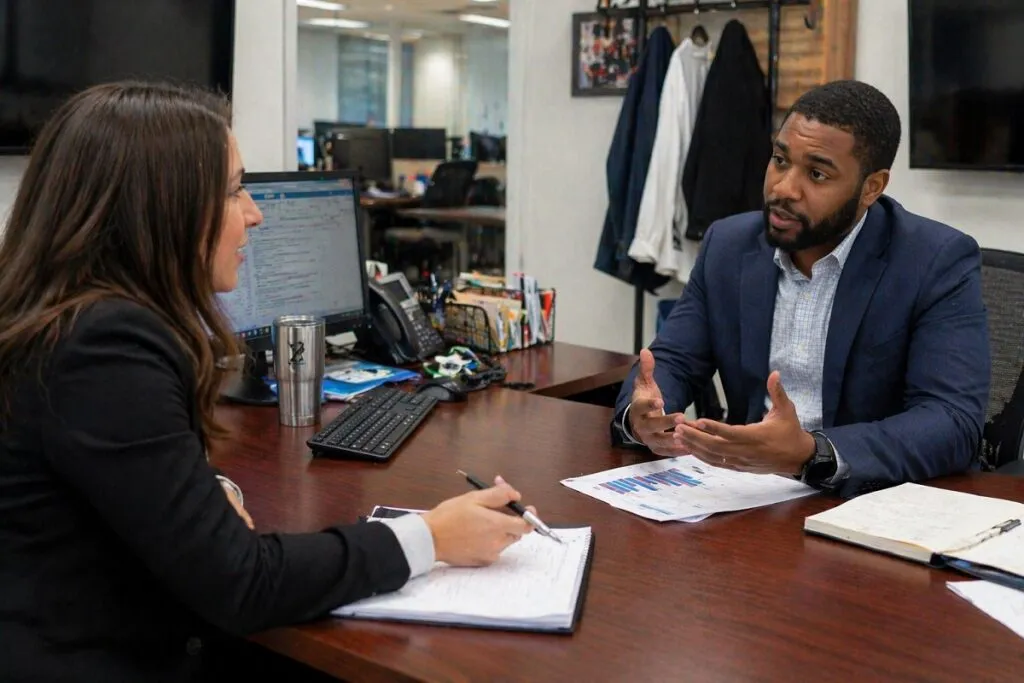
Hiring managers face increased pressure during uncertain times. Providing the right support improves outcomes.
Aligning Hiring with Business Goals
Ensure hiring managers understand:
- Current business priorities
- Budget limitations
- Strategic objectives
Clear alignment leads to more effective hiring decisions.
Providing Tools and Resources
Equip hiring managers with:
- Updated hiring guidelines
- Market insights
- Structured interview frameworks
This reduces uncertainty and improves consistency across hiring processes.
Maintaining Momentum Without Overextending
Balancing caution with progress is one of the biggest challenges in uncertain times.
Organizations that succeed:
- Continue hiring strategically rather than stopping completely
- Stay connected to the talent market
- Adapt quickly to new developments
Hiring during uncertain times is not about avoiding risk entirely. It is about managing it intelligently while positioning the organization for stability and growth when conditions improve.
Content reviewed and published by Tier2Tek Staffing Editorial Team .