
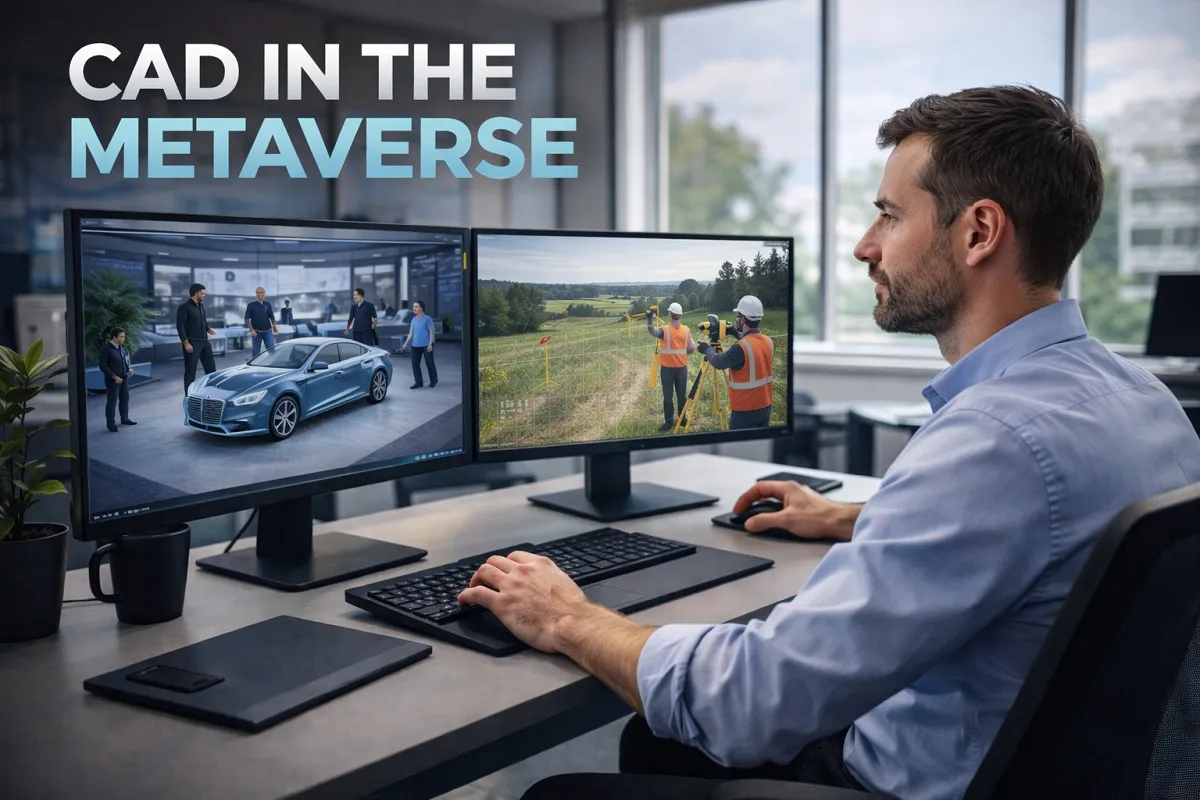
CAD in the Metaverse is becoming an increasingly discussed concept as digital environments expand and immersive technologies mature. Organizations exploring advanced product development, engineering collaboration, and digital prototyping are beginning to examine how computer aided design could function inside persistent virtual environments. For hiring managers and HR professionals evaluating future ready technical talent, understanding the potential applications of CAD in the Metaverse provides insight into how design teams may work, collaborate, and innovate in coming years.
Instead of traditional desktop based workflows, immersive design spaces could allow engineers and designers to build, test, and refine models within shared virtual environments. These speculative applications combine CAD software, spatial computing, cloud collaboration, and digital twin technology to reshape how teams approach design and development.
Immersive Product Design Environments
One of the most discussed speculative applications of CAD in the Metaverse involves fully immersive product design spaces. Designers could enter a shared virtual environment where CAD models exist at full scale, allowing them to interact with designs as if they were physical prototypes.
This approach could transform how teams evaluate scale, ergonomics, and mechanical relationships. Viewing a model on a monitor limits spatial awareness, but immersive environments provide a more intuitive sense of proportion and motion.
Potential benefits include:
- Real scale visualization of engineering models
- Improved ergonomic analysis during early design phases
- Faster design iteration through immersive manipulation tools
- Reduced dependency on physical prototypes
- More intuitive interaction with complex assemblies
For hiring managers, this highlights the growing value of designers who understand both CAD systems and immersive technologies such as virtual reality and spatial interfaces.
Collaborative Engineering Across Global Teams
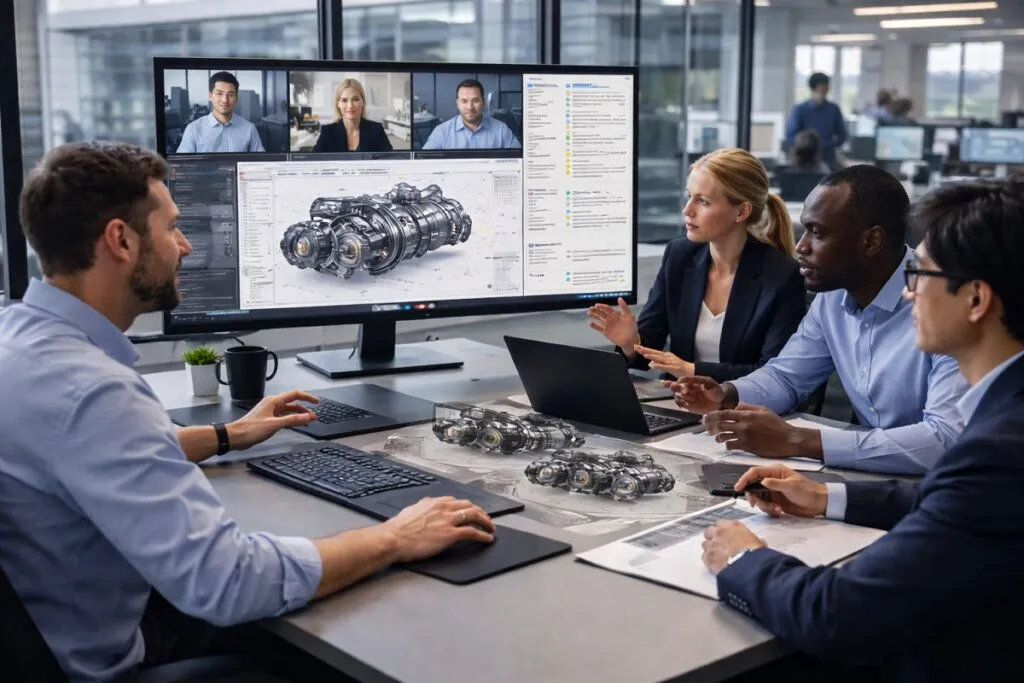
Remote collaboration has already become common in engineering organizations. CAD in the Metaverse could expand this concept by allowing distributed teams to meet inside shared design environments.
Instead of screen sharing models, engineers could gather around a 3D assembly within a virtual workspace. Each participant could manipulate components, annotate geometry, or simulate mechanical movement in real time.
Key collaboration features could include:
Real Time Model Interaction
Multiple designers could interact with the same CAD model simultaneously. Changes made by one participant would update instantly across the shared environment.
Persistent Design Workspaces
Projects could exist in persistent virtual environments where models remain available between sessions. Teams could return to the same workspace with previous notes, annotations, and design iterations intact.
Spatial Design Reviews
Design reviews could take place within a virtual environment where stakeholders physically move around large assemblies. This format may help non technical participants better understand complex products.
Organizations adopting collaborative CAD workflows may prioritize candidates with experience in cloud based CAD platforms and collaborative design tools.
Digital Twin Integration in Virtual Environments
CAD models often form the foundation of digital twins used in manufacturing, construction, and industrial operations. In a metaverse environment, digital twins could become fully interactive representations of real world systems.
Instead of analyzing static models, engineers could explore live data driven versions of machines, buildings, or infrastructure within immersive environments.
Examples of speculative use cases include:
- Monitoring factory equipment through interactive 3D models
- Visualizing sensor data on digital replicas of machinery
- Simulating system failures before implementing real world changes
- Training technicians using virtual replicas of operational equipment
This integration could strengthen connections between design, operations, and maintenance teams. Hiring managers may see increased demand for professionals with skills in CAD modeling, IoT integration, and digital twin platforms.
Virtual Prototyping and Simulation
Virtual prototyping has long been part of CAD workflows, but immersive environments could make simulation more intuitive and interactive.
Engineers might test designs within simulated environments where physical behaviors such as airflow, mechanical stress, or thermal conditions appear visually around the model.
Advantages of immersive simulation could include:
- Clear visualization of engineering analysis results
- Interactive adjustment of design parameters during testing
- Immediate feedback when modifying geometry
- Improved understanding of mechanical interactions
This type of environment could shorten design cycles by allowing engineers to experiment with design changes while directly observing the impact of those changes.
Organizations focused on advanced engineering may seek professionals who combine CAD expertise with simulation tools such as FEA or CFD platforms.
Architecture and Construction Visualization
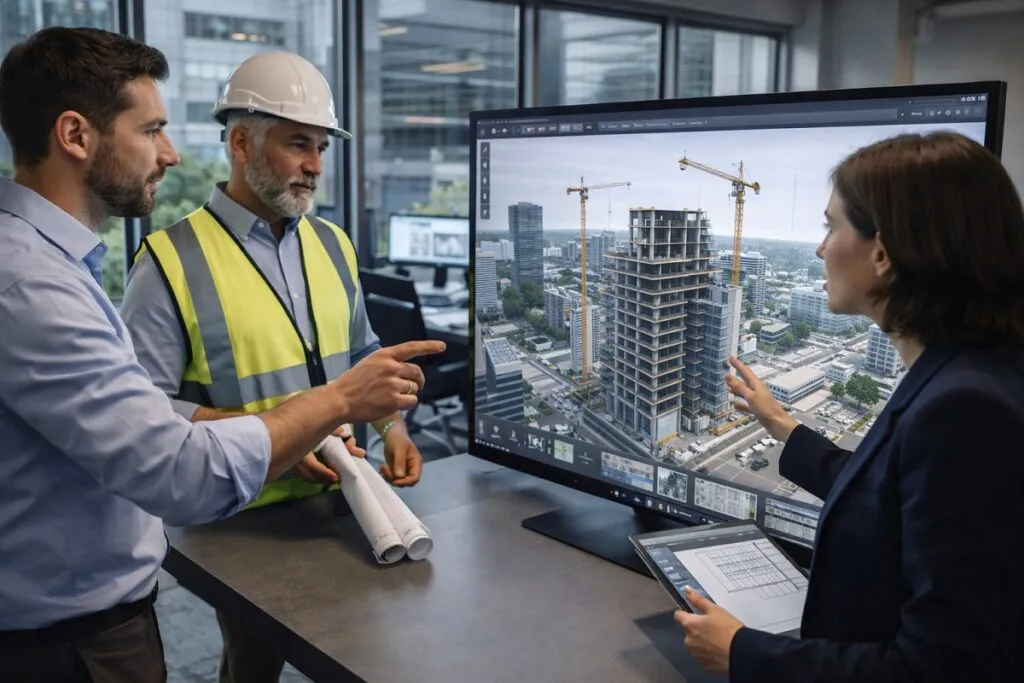
Architecture, engineering, and construction industries already rely heavily on CAD and BIM platforms. A metaverse based environment could allow architects, contractors, and project managers to explore building designs before construction begins.
Instead of reviewing blueprints or renderings, stakeholders could walk through virtual versions of buildings created directly from CAD or BIM models.
Practical advantages could include:
- Early detection of design conflicts
- Better spatial understanding of complex structures
- Improved communication between technical and non technical teams
- Enhanced project presentations for clients and investors
These capabilities could reduce costly design revisions later in construction projects.
For HR teams hiring in architecture or construction technology, candidates with experience in CAD, BIM software, and immersive visualization tools may become increasingly valuable.
Training and Workforce Development
CAD in the Metaverse could also support workforce training for engineering and design teams. Virtual environments allow employees to interact with complex systems without the risks associated with real equipment.
Training programs could include:
- Assembly and maintenance simulations
- Equipment troubleshooting scenarios
- Interactive design tutorials within 3D environments
- Collaborative training exercises for distributed teams
This approach may help new engineers gain practical experience faster while reducing training costs.
Companies investing in immersive training may prioritize candidates who demonstrate adaptability with emerging design technologies and virtual collaboration tools.
Design Data Management in Persistent Virtual Spaces

CAD environments already generate massive volumes of design data. In a metaverse environment, managing this data becomes even more critical.
Persistent virtual workspaces may contain multiple model versions, annotations, simulation results, and collaboration history. Organizations would need structured systems to maintain version control and design integrity.
Important considerations include:
Version Control Systems
Engineering teams will require advanced version tracking to manage simultaneous edits and maintain accurate model histories.
Secure Data Infrastructure
Sensitive product designs must remain protected within secure cloud infrastructure. Cybersecurity practices will be critical for organizations using immersive collaboration platforms.
Integration with Existing CAD Ecosystems
Metaverse environments will likely connect with existing CAD tools such as SolidWorks, AutoCAD, or Siemens NX rather than replacing them entirely.
HR professionals evaluating engineering candidates may increasingly look for familiarity with cloud based CAD workflows and product lifecycle management systems.
Design Review and Stakeholder Engagement
One of the strongest potential benefits of CAD in the Metaverse is improved communication between engineering teams and business stakeholders.
Design discussions often become difficult when non technical participants must interpret technical drawings or complex CAD interfaces. Virtual environments allow stakeholders to engage with products more intuitively.
Examples include:
- Executives reviewing product concepts in immersive environments
- Marketing teams evaluating product aesthetics
- Manufacturing teams analyzing assembly processes
- Investors viewing prototypes before production begins
These experiences could help organizations align technical decisions with broader business objectives.
For hiring managers, this means engineers who communicate effectively across disciplines may stand out during recruitment.
Emerging Skills for CAD Professionals
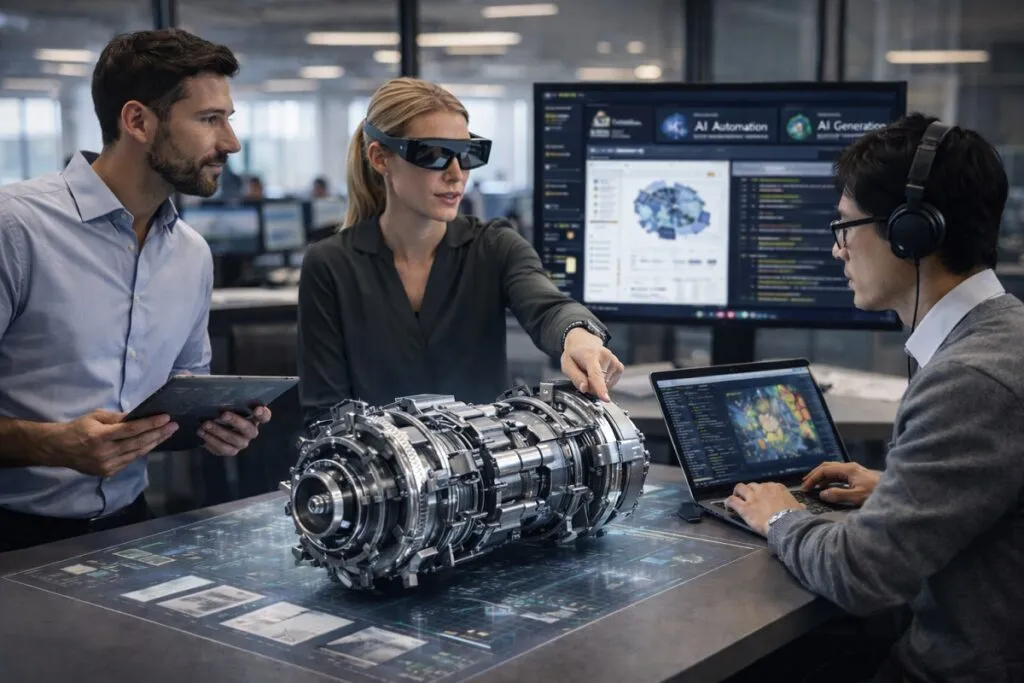
As immersive technologies evolve, CAD professionals may expand their skill sets beyond traditional modeling tasks. Organizations exploring metaverse based design workflows may seek candidates with broader technical capabilities.
Relevant skills may include:
- Experience with cloud based CAD platforms
- Knowledge of virtual reality or augmented reality design tools
- Understanding of digital twin systems
- Collaboration tools for distributed engineering teams
- Integration between CAD and simulation software
Candidates who combine engineering expertise with familiarity in immersive technologies may become particularly valuable as organizations experiment with new design environments.
CAD in the Metaverse represents a speculative yet compelling direction for engineering collaboration, product development, and digital prototyping. While many of these applications remain exploratory, the concept highlights how immersive environments could expand the capabilities of traditional CAD workflows. For hiring managers and HR professionals tracking emerging engineering technologies, understanding these possibilities helps identify candidates prepared to work within increasingly digital and collaborative design ecosystems.
Content reviewed and published by Tier2Tek Staffing Editorial Team .